The Natural Resource Governance Institute (NRGI) has warned that the structural reliance of African nations on imported refined petroleum products leaves the continent’s economies heavily exposed to volatile external energy shocks.
Following the recent signing of a historic peace accord between the United States and Iran, regional policymakers are confronting the deep-seated economic damage caused by the prolonged Middle Eastern hostilities.
While global oil indices dropped rapidly immediately after the cessation of hostilities, the underlying vulnerabilities within African macroeconomic frameworks remain severely compromised.
For multiple net energy-importing jurisdictions across the continent, these external disruptions trigger rapid inflationary pressures, disrupt national fiscal plans, and severely weaken local currencies.
“The vulnerability did not begin with the Middle East conflict. It reflects deeper structural realities of fiscal systems built around oil revenues, energy systems that rely on imported fuel and limited capacity to absorb shocks without passing costs to citizens.”
Natural Resource Governance Institute (NRGI)
To expand on this systemic threat, regional analysts note that global commodity spikes immediately destabilize local manufacturing, agricultural distribution, and household purchasing power across sub-Saharan Africa.
Even though financial markets in Europe and Asia rebounded sharply following the formal end of the Washington-Tehran standoff, the domestic recovery path for African markets remains heavily constrained by deep infrastructural bottlenecks.
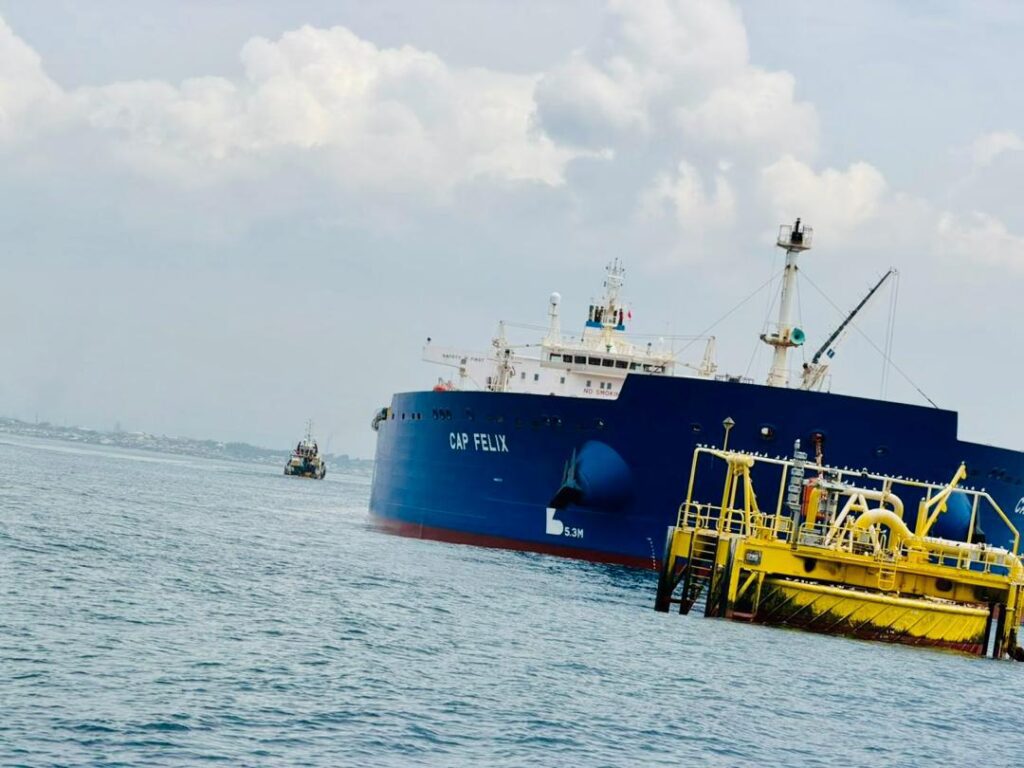
The sudden volatility in cross-border energy supply chains forces central banking authorities to implement aggressive monetary tightening, which subsequently increases the cost of domestic borrowing.
Consequently, the structural imbalance of exporting raw crude while relying entirely on foreign refineries to meet domestic fuel consumption creates a continuous transfer of economic value out of the continent, leaving both consumer and producer nations highly susceptible to any geopolitical shifts happening far beyond their geographic borders.
The Heavy Macroeconomic Burden on Net Fuel Importers
According to the think-tank, the fiscal architecture of non-oil-producing African states suffers severe deterioration whenever international energy benchmarks rise unexpectedly.
For instance, Ghana experienced an acute economic shock during the peak of the global supply crunch, which forced domestic retail pump prices upward by an astounding 10 to 26 percent.
This sharp escalation directly threatened the Ghanaian government’s optimistic macroeconomic budget projections, which had originally targeted an annual economic growth rate of 4.8 percent alongside a hard-won 13-month disinflationary trajectory.
To temporarily shelter local consumers from these escalating costs, the administration in Accra intervened directly by introducing specialized fuel subsidies, which were initially slated to last for a single month but were subsequently extended to cover a total of three months.
However, while these urgent interventions provided a brief financial cushion for local citizens, the diversion of finite public revenues into short-term energy subsidies carries massive long-term opportunity costs.
Analysts indicate that using state funds to suppress artificial pump prices inevitably demands “tough choices need to be made around essential public services,” including vital allocations for national healthcare, primary education, and critical transport infrastructure development.
The Mixed Realities of African Fossil Fuel Producers
In sharp contrast to net consumer countries, Africa’s leading fossil fuel exporters faced a much more complex, mixed economic landscape during the international market disruption.
Nigeria, the continent’s largest petroleum producer, experienced a significant surge in gross export earnings due to high international crude pricing, yet this windfall failed to insulate its domestic population from severe financial distress.
Despite the strategic operations of the newly commissioned Dangote Refinery which successfully managed to slash the nation’s total dependence on foreign fuel shipments down from a staggering 90 percent to approximately 40-50 percent the domestic economy was still buffeted by a painful cost-of-living crisis that worsened by roughly 17 percent.
This paradox highlights the deep institutional disconnect within major resource-exporting nations where rising global commodity values fail to translate into domestic price stability.
Because internal distribution networks, transport logistics, and agricultural supply lines remain intrinsically tied to international refined fuel indices, localized inflation spiked rapidly.
The situation proves that partial domestic refining capacity cannot completely isolate an economy from global market dynamics when the broader national fiscal policy remains structurally dependent on volatile, unhedged resource revenues.
Addressing Infrastructure Deficits and Power Sector Distortions
Beyond the immediate crisis at the fuel pumps, the international energy shock has severely compounded a pre-existing, structural power deficit that limits regional industrialization.
Currently, nearly 600 million people across the African continent still completely lack reliable access to basic electricity infrastructure, keeping communities in literal darkness.
Data compiled by the World Economic Forum underscores the severity of this crisis, revealing that chronic “energy bottlenecks and power shortages cost Africa an estimated 2 to 4 percent of GDP annually,” which permanently stalls private sector investment.
In nations like Ghana, where roughly two-thirds of total domestic electricity generation is derived from gas-fired power plants, any disruption in regional hydrocarbon supply chains directly threatens grid stability.
When the procurement costs of imported feedstocks rise, state-owned utility companies face severe liquidity crises, leading to rolling blackouts that cripple small and medium-sized enterprises.
READ ALSO: GHS Director-General Calls For Peace Over Salaga Newborn Theft, Assures Justice