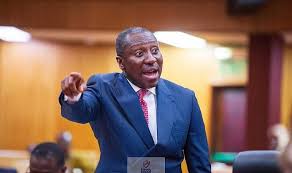
The President of Ghanaian PhD Cohort in the United Kingdom, Dr Prince Bansah has stated that scholarship beneficiaries in the UK continue to face severe hardship as delays in tuition payments, stipends and renewal processes worsen. He indicated that many affected students are struggling to meet basic living costs while academic progress remains under threat.
Addressing the worsening situation, Dr Bansah said the grievances raised by the students are longstanding and troubling. He noted that several scholarship beneficiaries continue to rely on food banks while awaiting financial support from the Ghana Scholarships Secretariat.
He said have left many students in distress due to unpaid tuition and stipends. Dr Bansah added that PhD candidates have been among the hardest hit, with some going nearly four years without receiving financial support.
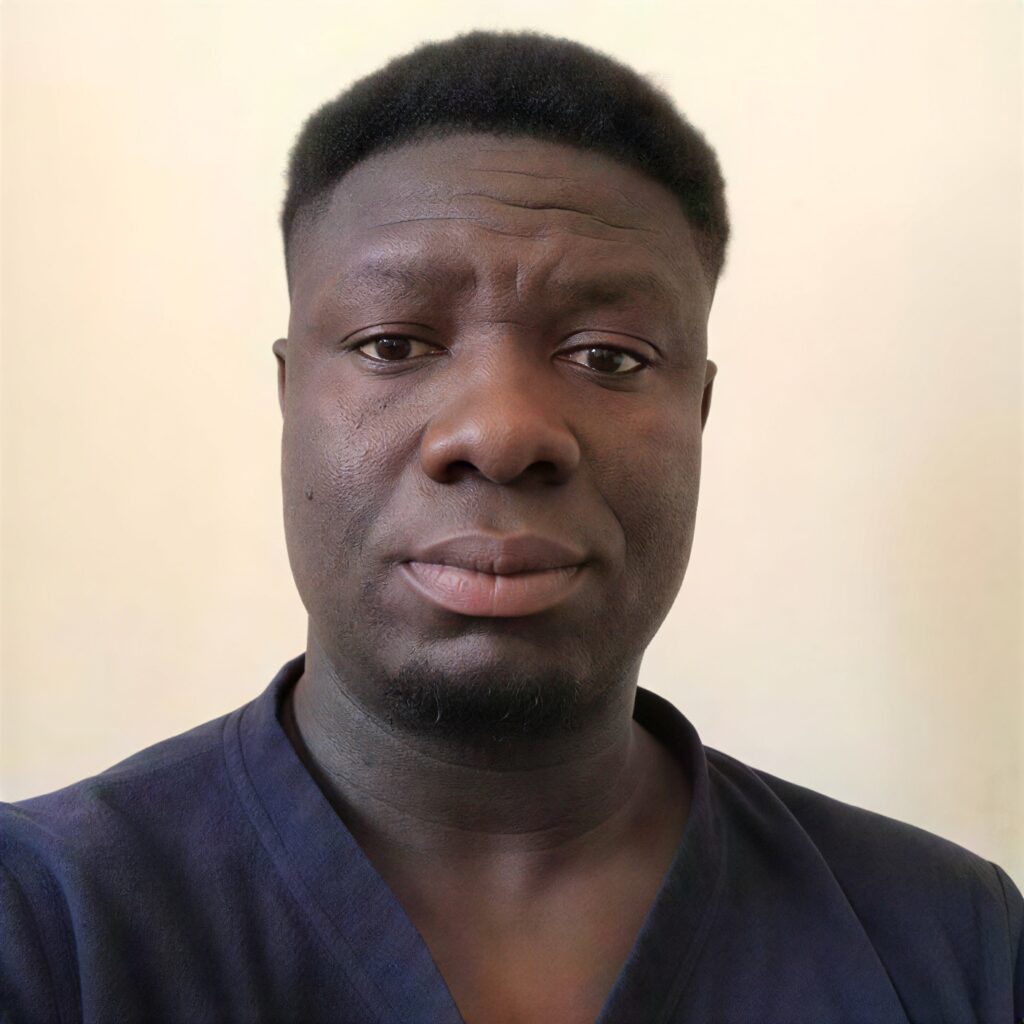
“Students continue to live on food banks. They continue to live without any renewal letter from the Ghana Scholarship Secretariat. The tuition fees remain extremely unpaid. The stipends remain unpaid.”
Dr Prince Bansah
He further explained that the crisis has persisted despite repeated efforts by student leaders to seek intervention. In light of this, he said attempts to raise the issue publicly have often been met with politicisation instead of urgent action.
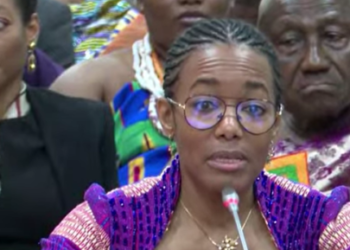
Discussing the role of Zita Benson, Dr Bansah acknowledged that the High Commissioner has engaged students on several occasions. He said those engagements have largely occurred during periods of mounting pressure, especially when demonstrations or major media interviews appeared imminent.
Additionally, Dr Bansah noted that while the High Commissioner has offered assurances, the authority to resolve the scholarship impasse lies beyond her office. He remarked that her involvement became more prominent after she presented herself as someone capable of facilitating a resolution.
He also pointed to a case of a student identified as Noah, whose tuition arrears has become a key example of the challenge. Dr Bansah argued that partial payments have failed to address the scale of outstanding debt owed to universities.

“You are owing somebody 28,000. Paying 5,000 does not mitigate the problem. The university still says you cannot graduate.”
Dr Prince Bansah
He explained that such partial disbursements leave students trapped between government assurances and institutional demands. Consequently, many remain unable to graduate or access certificates despite completing their studies.
Moreover, Dr Bansah stressed that his criticism was directed at the system and not at individuals. He added that the immediate priority remains securing full payments so affected students can continue their academic journeys with dignity.
Renewal Delays Leave Scholarship Students Trapped Abroad
Dr Prince Bansah said the most urgent need is the full payment of outstanding tuition and stipends. He disclosed that PhD students alone are owed nearly 56 million Ghana cedis in combined financial obligations.
In addition, he disclosed the delayed issuance of renewal letters, which remain essential for continued sponsorship. Dr Bansah explained that annual progression reviews required for PhD students have stalled since the appointment of the current Registrar of the Ghana Scholarships Secretariat.
He emphasised the effect on students whose sponsorship timelines have expired. Without renewal letters, many have become academically stranded despite progressing through earlier years of study.
Furthermore, Dr Bansah criticised the handling of the matter by the current Registrar, arguing that the approach has intensified tensions. He said the administration’s posture has deepened mistrust among students seeking relief.
Dr Bansah said unpaid fees have triggered severe financial instability for many scholarship beneficiaries. He revealed that some students have faced suspension from their universities while others are battling housing insecurity.
“Some have been withdrawn. Some have been suspended. Some have had their visas revoked.”
Dr Prince Bansah

Similarly, he noted that several students are now facing legal action from landlords over unpaid rent. This, he said, has placed immense pressure on families in Ghana who are increasingly forced to step in financially.
Referencing the value of overseas scholarships, Dr Bansah argued that scholarship opportunities remain vital for national development, especially in specialised fields requiring international training.
He also questioned what he described as inconsistencies in scholarship policy, citing cases where students were reportedly supported for studies outside bilateral arrangements. Against this backdrop, he urged authorities to prioritise transparency and swift intervention.
READ ALSO: Mediators Laud Progress In US-Iran Talks In Switzerland