Grammy-winning R&B superstar SZA has ignited a fresh wave of controversy in the music industry by vehemently condemning the use of artificial intelligence tools trained on artists’ work without permission.
In a series of impassioned Instagram posts over the weekend, the singer revealed that 238 of her songs including what she believes are unreleased tracks had been scraped to train AI music generators. Her fiery response has amplified ongoing debates about copyright, consent, and the future of creativity in the age of generative AI.
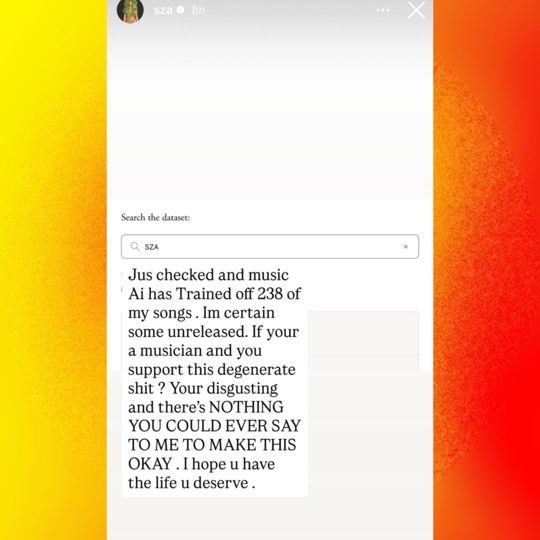
“Just checked and music AI has trained off 238 of my songs. I’m certain some unreleased,” SZA wrote in an Instagram Story that quickly spread across social media. She did not mince words toward fellow musicians who might support the technology.
“If you’re a musician and you support this degenerate sh*t? You’re disgusting and there’s NOTHING YOU COULD EVER SAY TO ME TO MAKE THIS OKAY.”
SZA, American singer-songwriter
She added a pointed closer: “I hope u have the life u deserve.”
The posts included screenshots of a search on what appears to be an AI music database, showing extensive entries under her name. On a private “finsta” account, SZA went further, accusing platforms like Suno of exploiting Black artists and producers. “We make up 13% of the American population yet influence the world w our sound and perspective,” she wrote.
“I AINT HEARD A WHITE AI SONG YET… We have no protection in legislature medical or creative. The easiest to steal from. DO NOT GIVE AWAY YOUR VIBRANIUM !!! DO NOT TRAIN AI W YOUR GENIUS.”
SZA, American singer-songwriter
She also referenced producer Diplo, alleging he holds equity in Suno and has pushed for training on top Black talent.
SZA’s outburst is not her first foray into the AI debate. Earlier in 2026, she told i-D magazine she feels “at war” with the technology, criticizing how AI disproportionately generates “weird, stereotypical struggle music” mimicking Black artists and noting issues with AI covers of emerging talents like Olivia Dean who struggle to collect streams.

She has also highlighted environmental concerns, arguing that AI data centers disproportionately harm Black and Brown communities through pollution and resource consumption.
Her latest comments arrive amid a heated legal and cultural battle over AI in music. Major record labels, including Sony Music Entertainment, Universal Music Group, and Warner Records, filed landmark copyright lawsuits against Suno and Udio in 2024, accusing the companies of mass infringement by training models on copyrighted sound recordings without authorization.
The suits, filed in federal courts in Massachusetts and New York, remain active even as some settlement talks have occurred. Independent artists have launched separate class actions, seeking recourse for works scraped from platforms like Spotify and YouTube, often in violation of terms of service.
Databases such as The Atlantic’s AI Watchdog have reportedly cataloged over 21 million tracks used in training datasets, encompassing superstars like Taylor Swift and Bad Bunny alongside countless independents.
While AI companies often invoke fair use defenses arguing that publicly available music qualifies as training data similar to how humans learn-artists and rights holders counter that this constitutes unauthorized commercial exploitation that could devalue human creativity and royalties.
Public Reactions
Reactions to SZA’s stance have been swift and polarized. Many fans and fellow artists praised her as a bold advocate for creators’ rights, with comments flooding social media using phrases like “Mother is speaking” and calls for industry-wide solidarity. Producers such as Kenny Beats and composer TYDI have echoed similar frustrations.
Others, however, point to past technologies like Auto-Tune or sampling that faced initial resistance yet became staples of modern music. Some critics on social platforms accused SZA of hypocrisy or questioned how unreleased material ended up in datasets, suggesting leaks or platform scraping as potential vectors.
The controversy underscores deeper tensions in the music ecosystem. Streaming has already transformed revenue models, often favoring mega-stars and playlists over mid-tier artists. Generative AI threatens to accelerate this by flooding platforms with low-cost, algorithmically generated content that mimics established styles.
Supporters of AI argue it democratizes music creation, enabling bedroom producers and fans to experiment. Detractors, including SZA, see it as theft that undermines the years of emotional labor, technical skill, and cultural innovation required to produce authentic art.
Industry observers note that SZA’s high-profile intervention could influence public opinion and pressure lawmakers. Calls for stronger copyright protections, mandatory licensing frameworks, and transparency in training data are growing louder.
Organizations like the Artists Rights Alliance have run campaigns such as “Stealing Isn’t Innovation,” enlisting veterans like Cyndi Lauper and Bonnie Raitt. Meanwhile, some AI firms are pursuing licensing deals with labels to legitimize their operations, though independent creators often feel left out of these negotiations.
For SZA, whose 2022 album SOS cemented her as one of the decade’s most influential voices blending R&B, hip-hop, and alternative sounds, the fight appears personal. Her catalog, known for raw vulnerability and genre-bending experimentation, represents precisely the kind of “vibranium” she warns against surrendering.
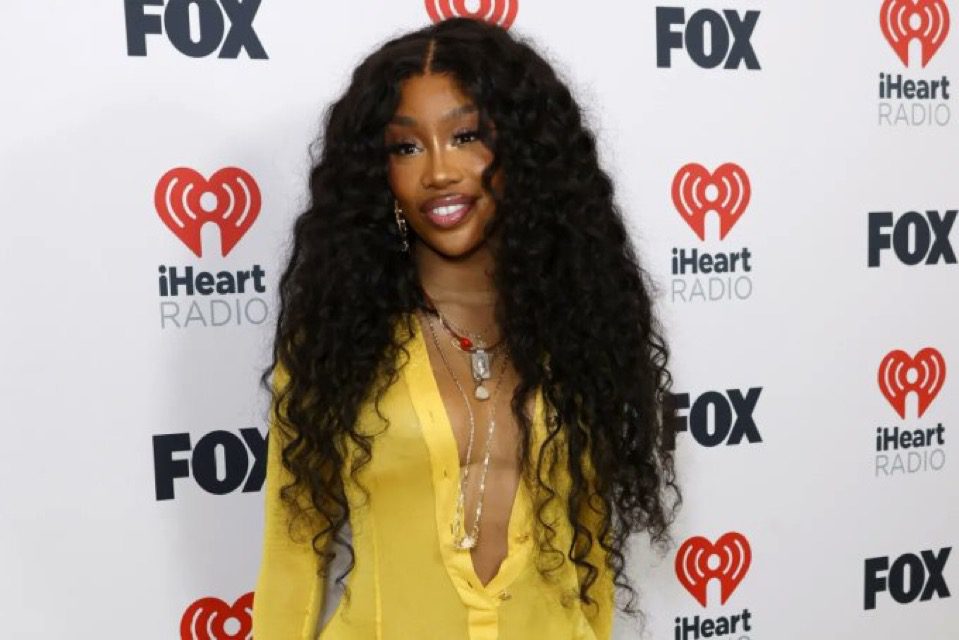
By drawing a hard line, she positions herself not just as an artist protecting her own work but as a spokesperson for broader equity issues in how technology intersects with race, creativity, and economic survival.
As the dust settles on her viral posts, one thing is clear: the conversation around AI-generated music has moved beyond niche tech circles into the mainstream.
In the meantime, SZA’s uncompromising message resonates as a rallying cry for artists unwilling to let machines rewrite the rules of creation without their consent.
READ ALSO:Mahama Pledges Fair Share of Farmer Service Centres for Bono Region