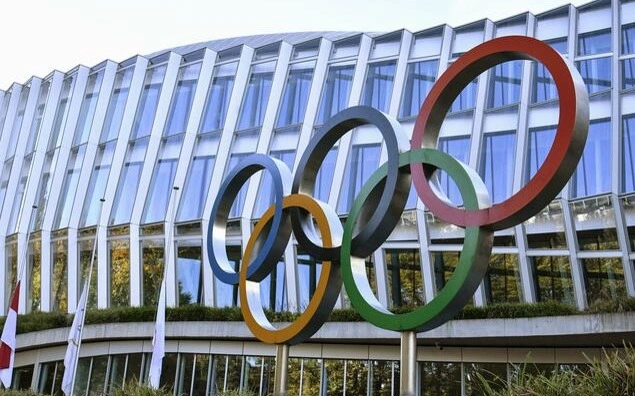
The International Olympic Committee (IOC) has unveiled a new roadmap for selecting the host of the 2036 Olympic Games, introducing an additional evaluation phase and confirming that the winning bid will be elected in mid-2029.
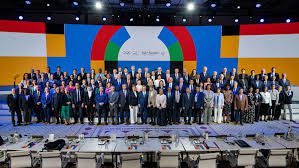
The reforms were endorsed during the 146th IOC Session in Lausanne on Wednesday, June 24, marking another step in the organisation’s efforts to modernise the bidding system and provide greater certainty for prospective hosts.
Under the revised framework, candidate regions and cities will move through a newly created Strategic Dialogue phase before reaching the final Targeted Dialogue stage. The IOC believes the changes will encourage stronger projects, improve transparency and reduce uncertainty for governments and organisers considering a bid.
The updated process builds on reforms introduced in 2019, which shifted the focus away from costly bidding contests and towards long-term benefits for host communities, sustainability and alignment with Olympic values.
Strategic Dialogue Introduced as New Evaluation Phase
A central feature of the revamped process is the introduction of the Strategic Dialogue stage, which will serve as an intermediate phase between the existing Continuous Dialogue process and the final Targeted Dialogue.
The new stage is intended to provide a more thorough assessment of candidate projects before the IOC narrows the field of potential hosts. It will also enable closer collaboration between the IOC and interested parties at an earlier stage of the bidding process.
Under the timeline approved by the IOC Session, the Executive Board will shortlist Interested Parties from the Continuous Dialogue pool in March 2027. Those selected will be required to provide initial responses to the Future Host Questionnaire and submit core financial guarantees to demonstrate the credibility and viability of their projects.
Throughout the Strategic Dialogue phase, the IOC will offer enhanced technical support to help optimise bids, while members of the Future Host Commission will conduct visits to candidate destinations to assess proposals and infrastructure plans.
The commission’s review of the selection process followed extensive consultations with IOC Members, Olympic stakeholders and potential host regions. Feedback consistently highlighted the need for clearer timelines, greater transparency and a more gradual progression through the host selection stages.
Clear Timeline Set for 2036 Olympic Host Election
The next major milestone in the process will come in late 2028 when the IOC Executive Board is expected to open Targeted Dialogue with selected Preferred Hosts.
The decision will be based on a comprehensive report from the Future Host Commission, incorporating analysis of bid documents and findings from site inspections conducted during the Strategic Dialogue phase.
Preferred Hosts will then be given the opportunity to refine and update their proposals based on recommendations received from the commission. They will also be required to submit a full package of legal and financial guarantees designed to provide maximum certainty regarding the delivery of the Games.
At the conclusion of the Targeted Dialogue stage, IOC Members will receive a final evaluation report before voting to determine the host of the 2036 Olympic Games in mid-2029.
Future Host Commission Chair Kolinda Grabar-Kitarović said the reforms were designed to ensure the IOC makes the most informed decision possible when awarding the Games. “Choosing an Olympic host is a powerful and influential decision, which comes with great responsibility,” she said. “It is therefore important that we make the right choice, through careful and thorough reflection.”

The reforms had already received approval from the IOC Executive Board earlier this month and form part of the wider Fit for the Future programme introduced by IOC President Kirsty Coventry after taking office in June 2025.
The new framework will also provide more opportunities for engagement between IOC Members, bidding parties and the Future Host Commission through presentations, briefings and regular updates throughout the process.
According to Grabar-Kitarović, the revised roadmap will help potential hosts better understand expectations while giving governments sufficient time to provide the guarantees and support required for a successful bid. “These reforms will give potential hosts greater clarity, and their governments will have a clear timetable to provide the requested support,” she said.
Establishing a defined pathway towards the 2036 host election gives the IOC hopes the revised process will reduce uncertainty, strengthen bid quality and ensure future Olympic Games are awarded to projects capable of delivering sustainable benefits for host communities and the wider Olympic Movement.
READ ALSO: NADMO Signals Immediate Action On Unsafe Buildings In Accra