SWED Mining Ghana Limited has broken its silence to firmly assert its exclusive 100 percent ownership of the Bondaye mining concession, categorically dismissing external challenges regarding its proprietary rights.
The company’s pronouncement aims to dispel growing public confusion surrounding the asset and re-establish its legal standing amid escalating tensions in the Prestea Bondaye enclave of the Western Region.
The mining firm’s management strongly rebuked recent assertions made by the National Organiser of the National Democratic Congress (NDC), Joshua Akamba, characterizing his public statements as completely uninformed and heavily misleading.
To clarify the historical context of the asset, the Director of Operations for SWED Mining, Kwaku Addy, disclosed that the corporation had injected significant financial investments into the concession before formalizing its operational frameworks.
He emphasized that the company entered into a legally binding joint venture agreement in 2019 with a partner entity to facilitate the mutual development of the gold-bearing field.
“We signed a valid agreement and submitted a copy to the Minerals Commission as required by law. On the third consignment, they told us there was no significant gold, so we did not receive our share. The same explanation was given for the fourth consignment.”
Director of Operations of the company, Kwaku Addy
Contractual Breakdown and Operational Disagreements
Under the core tenets of the 2019 joint venture, the financial architecture was structured such that the partner company was entitled to receive 85 percent of the total operational proceeds, while SWED Mining retained a 15 percent stake as the absolute concession owner.
According to corporate executives, this strategic arrangement initially operated seamlessly, with the firm successfully receiving its designated 15 percent revenue share from both the first and second mineral consignments extracted from the site.
However, the operational synergy deteriorated abruptly during the extraction of subsequent resource batches when contractual payments ground to a sudden halt.

The operational breakdown escalated when the partner company asserted that the third and fourth consignments yielded no significant commercial gold volumes, a claim that effectively deprived SWED Mining of its anticipated financial returns.
Tensions intensified when the company’s designated on-site representative was summarily removed from the extraction fields under a cloud of hostile circumstances.
Mr. Addy alleged that the partner entity “started making false allegations against our representative and sacked him from the site,” which systematically cut off the concession owner from direct access to critical production numbers, daily logs, and operational updates.
In response to these persistent non-compliance issues and communication blackouts, SWED Mining engaged its legal counsel alongside the Minerals Commission, ultimately moving to terminate the joint venture agreement.
Forceful Ejections and High Court Legal Battalions
The termination of the contractual pact did not yield a peaceful resolution, as the concession owner subsequently faced total exclusion from its own asset.
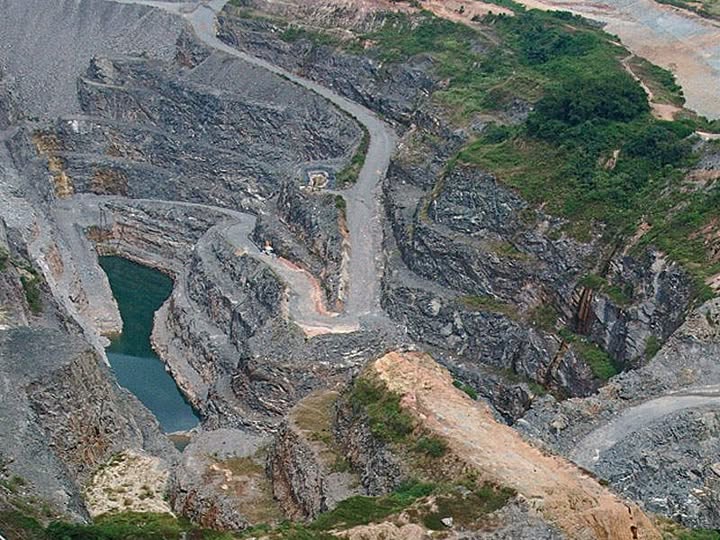
Reports from the ground indicated that a heavily armed group of men, dressed in military-style gear, stormed the concession in an overt attempt to forcefully eject local Ghanaian workers from the premises.
The intervention of regional law enforcement successfully averted a bloody clash between the opposing factions, though the site remains heavily guarded as formal investigations continue.
This contentious asset is currently the subject of an intense, ongoing legal battle at the Sekondi High Court involving Long Shine Mining Ghana Limited, as judicial authorities work to untangle the overlapping layers of operational claims and property rights.
Structural Vibrations and Broader Mining Industry Contagion
Volatile property right disputes of this nature send highly destabilizing signals throughout the broader Ghanaian mining ecosystem.
When contractual frameworks fail and give way to armed site incursions, the overarching threat profile raises the cost of doing business, which directly discourages foreign direct investment (FDI) within large-scale and small-scale mining blocks.
Academic and market research indicates that institutional instability and ownership ambiguity undermine investor confidence, often forcing international capital to relocate to more secure regulatory jurisdictions across West Africa.
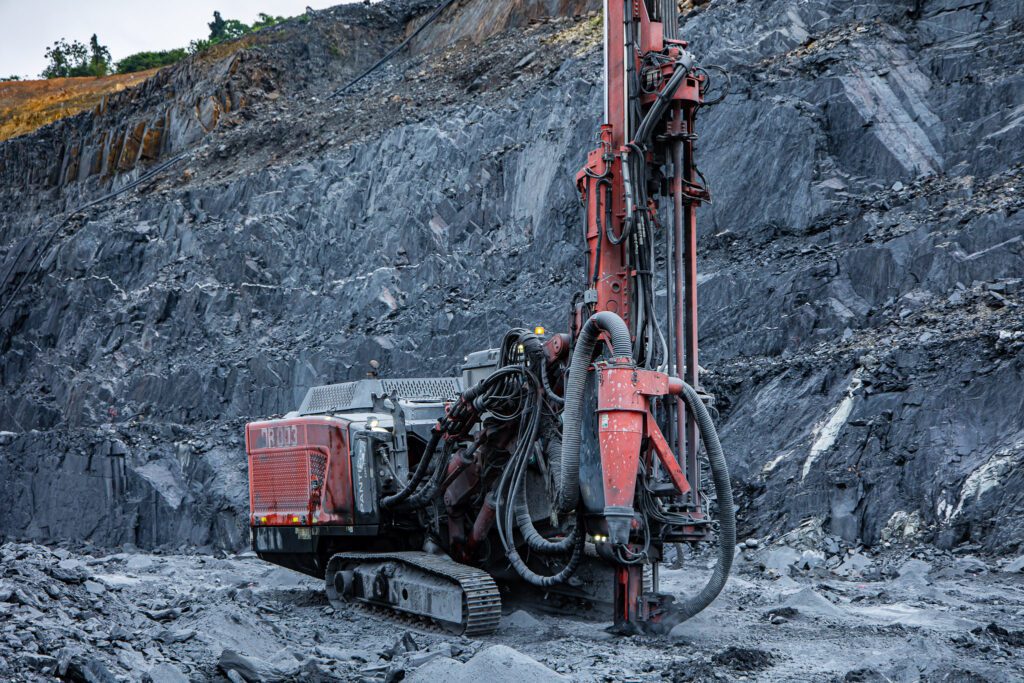
Furthermore, these structural disputes place an unnecessary administrative and security burden on state institutions like the Minerals Commission and regional police departments, shifting their limited resources away from combating illegal mining (galamsey) and enforcing environmental compliance.
When local workers face physical displacement due to corporate ownership standoffs, it compromises rural labor security and disrupts local supply chains, creating an economic domino effect that reduces national gold output and impairs state royalty collections.
Resolving the Bondaye concession dispute through transparent judicial channels remains critical to restoring regulatory predictability and preserving Ghana’s historical reputation as a premier, stable destination for global mining capital.
READ ALSO: Hands Off KNUST Lands, Otumfuo II Warns Encroachers
=