The Minority has criticised government’s emergency response to the recent floods, describing coordination among key state institutions as inadequate during a national crisis. The caucus argued that the current approach poses serious questions about preparedness and inter ministerial coordination.
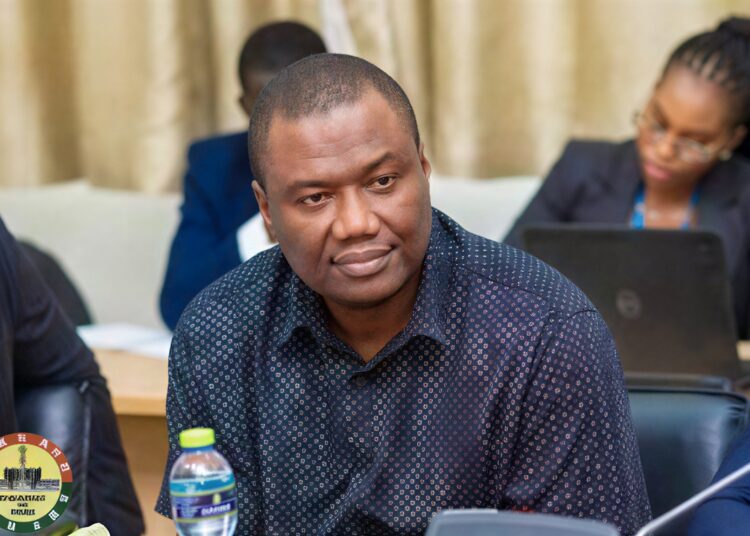
The Member of Parliament for Effiduase Asokore, Honourable Nana Ayew Afriye urged government to provide a clearer emergency response framework as flood related challenges intensify across the country. He stated that Parliament deserves comprehensive briefings from all relevant ministries during such emergencies.
“The coordination of the Majority team appears disjointed in an emergency of this scale, and Ghanaians deserve clear answers on preparedness, public health protection and the next course of action.”
Honourable Nana Ayew Afriye
Addressing Parliament during Tuesday’s proceedings, Honourable Afriye acknowledged contributions from the Minority panel. The MP noted that their submissions highlighted critical dimensions of the flood disaster.
Discussing the institutional response, Honourable Afriye questioned the absence of some key sector ministers in Parliament. He stated that emergency discussions of such magnitude require the presence of officials responsible for health, local governance and internal security.
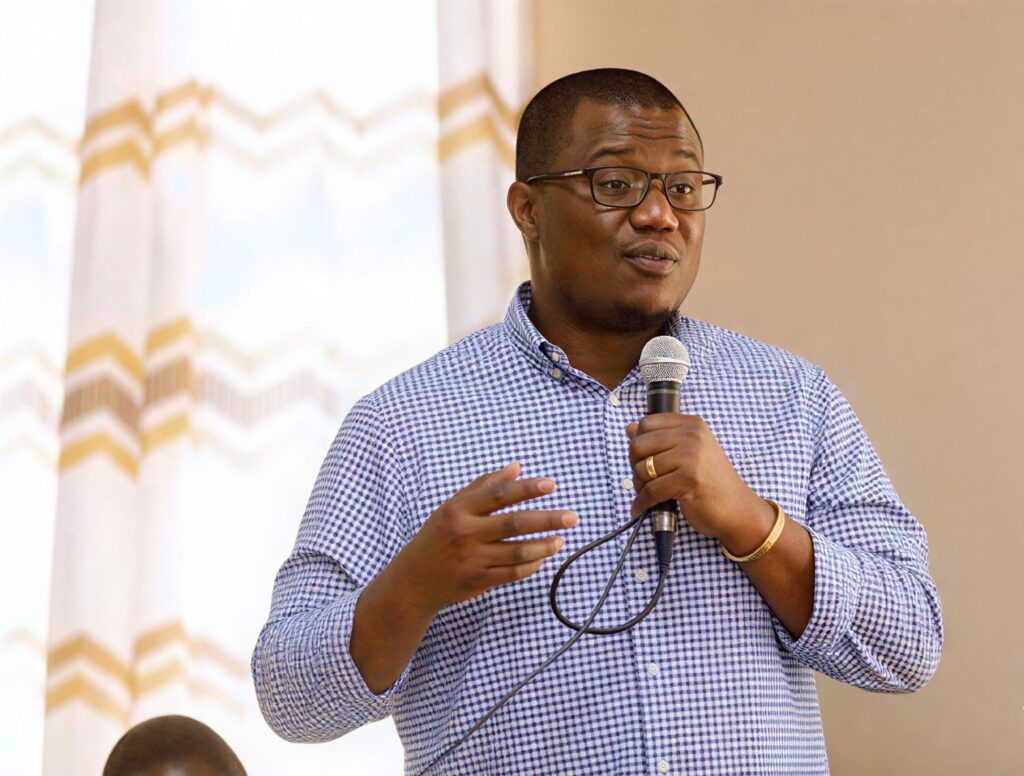
Drawing focus to the public health risks following the floods, Honourable Afriye argued that flooding creates immediate exposure to disease outbreaks and prolonged health complications for displaced families thereby calling on the Minister of Health.
Additionally, the MP pointed to the risk of cholera, malaria and typhoid in flood affected communities. He explained that overcrowding and temporary displacement could also worsen respiratory infections in vulnerable areas.
Focusing on long standing structural weaknesses in sanitation management, Honourable Afriye observed that fragmented responsibility for sanitation continues to undermine rapid disaster response.
Moreover, he questioned the current institutional arrangement for sanitation and environmental management. The lawmaker argued that unclear mandates weaken accountability at critical moments.
Referencing Ghana’s recurring flood pattern, Honourable Afriye recalled the devastating floods of 1995 and stated that the latest disaster ranks among the worst in nearly three decades.
In light of this, he urged government to outline practical next steps for mitigation and recovery. Honourable Afriye ultimately stated that citizens deserve transparency on existing interventions and future flood prevention strategies.
Citizens Urged To Demand Accountability From Assemblies
Public accountability at the municipal level has emerged as a central issue in Parliament’s debate on recurring floods and poor sanitation. Lawmakers say citizen participation are instrumental in ensuring local authorities effectively use allocated resources.
Discussing community responsibility, Honourable Afriye stressed that flood prevention cannot rest solely on central government interventions. He stated that residents also have a duty to monitor sanitation practices and demand accountability from assemblies.
Furthermore, the MP called for stronger civic vigilance in local governance. He argued that responsible public pressure can compel assemblies to prioritise drainage maintenance and waste management.
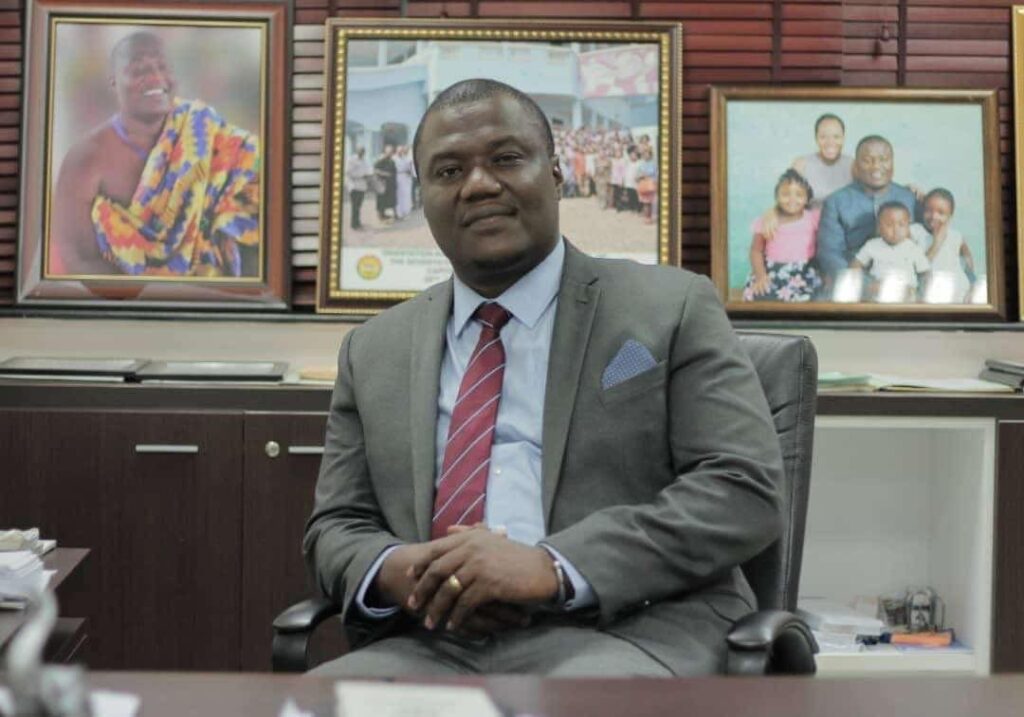
“Citizen vigilance must rise because assemblies must account for every resource allocated for sanitation and flood prevention.”
Honourable Nana Ayew Afriye
In calling out resource utilisation at the municipal level, Honourable Afriye referenced statements from the Minister of Local Government indicating that funds have already been released to assemblies.
Similarly, he questioned why several municipalities continue to struggle with refuse management despite receiving financial support. The MP argued that available resources must translate into visible sanitation improvements.
Citing Alajo as a clear example of municipal failure, Honourable Afriye stated that persistent refuse accumulation and blocked drains significantly worsened flooding in the area.
In addition, he observed that uncollected waste continues to obstruct drainage channels across several communities. Poor refuse disposal, he said, remains a major contributor to annual flooding.
“Alajo remains submerged because refuse dumps have not been cleared, and that reality demands urgent accountability from local authorities.”
Honourable Nana Ayew Afriye
In this view, the MP urged citizens to consistently engage assemblies on sanitation expenditure. He stated that public oversight can strengthen discipline in local administration. Honourable Afriye renewed calls for the Minister of Health to brief Parliament on disease prevention measures in flood affected communities.