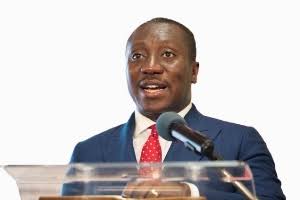
The Minority in Parliament has urged the government to fully disclose how the recently announced GH¢300 million flood relief fund will be distributed, insisting that accountability and fairness must guide the allocation process across all affected regions.
Speaking at a press briefing, Minority Leader Alexander Afenyo-Markin said the Minority supports the government’s decision to provide emergency funding but expects strict transparency in its implementation.
He stressed that every cedi must be properly accounted for and that the intervention must not be limited to specific parts of the country.
Government’s GH¢300 Million Intervention Explained
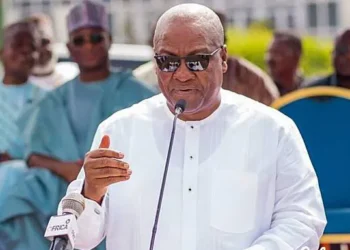
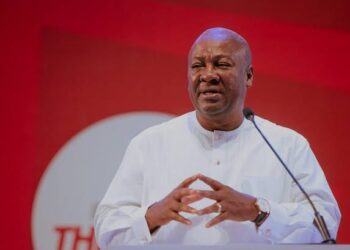
The Minority’s concerns follow President John Dramani Mahama’s announcement that GH¢300 million has been released from the Contingency Fund to support flood response efforts after heavy rains caused widespread destruction in multiple regions.
According to the President, the funds will be split equally. GH¢150 million will go toward emergency relief for affected victims and communities, while the remaining GH¢150 million will be used for flood mitigation measures aimed at reducing future disaster risks.

The President also announced the deployment of the Ghana Armed Forces and the Ghana Police Service to support the National Disaster Management Organisation in ongoing relief and recovery operations.
Minority Needs for Fair Distribution Across All Flood Hit Areas
The Minority welcomed the intervention but warned against any attempt to concentrate relief efforts in Accra, noting that other regions have suffered equally severe destruction.
Mr. Afenyo-Markin said the Minority will not obstruct the release of funds to victims but insisted that the distribution must be national in scope.
“The Minority welcomes this relief and will not stand in the way of support going to affected communities and persons.”
Minority Leader Alexander Afenyo-Markin
He explained that flood impacts extend beyond the capital, affecting communities in the Western, Central, Ashanti, Volta and Eastern regions, among others.
According to him, many of these areas have recorded similar levels of devastation, including destroyed homes, damaged businesses, collapsed roads and disrupted livelihoods.
He argued that focusing relief efforts only on Accra would be unfair and would undermine the principle of equal national support.
Demand for Regional Equity in Relief Allocation
The Minority Leader stressed that all affected communities deserve equal attention, regardless of geographical location.
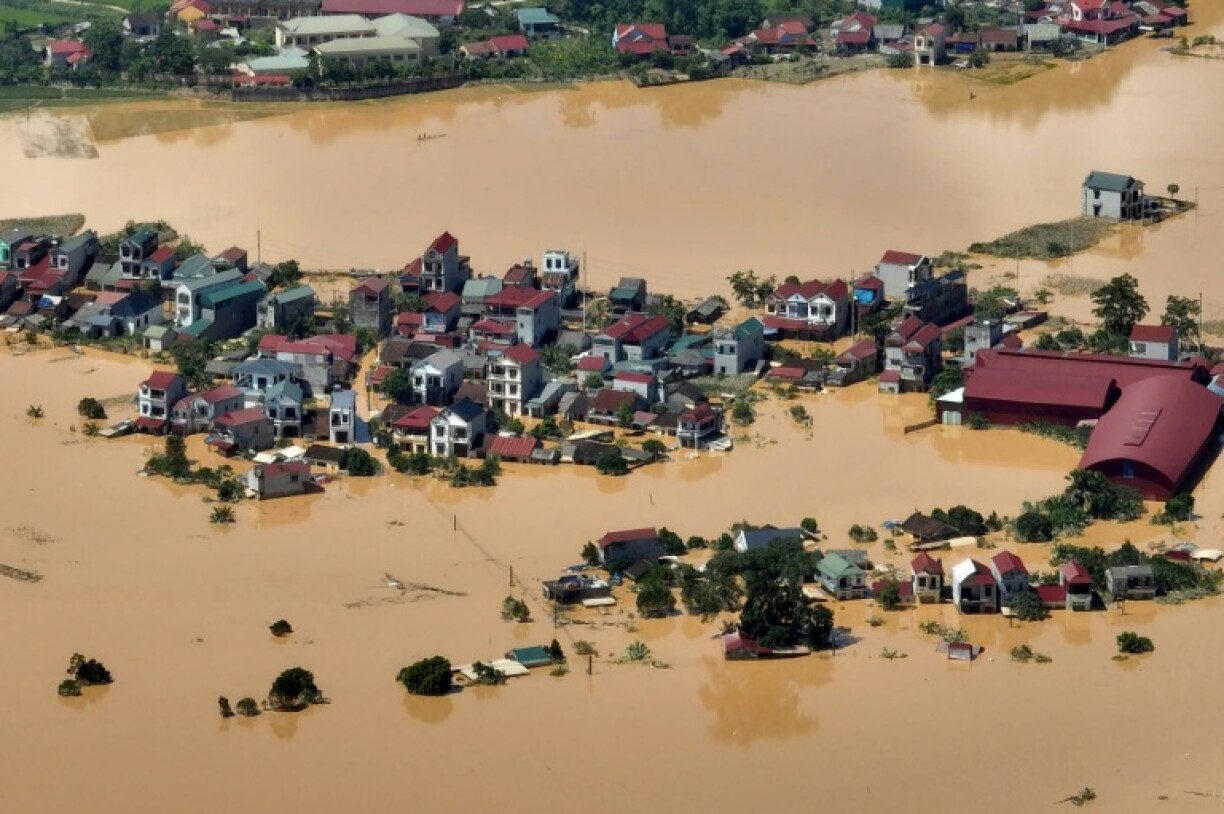
He called on the Ministry of Finance and all implementing agencies to ensure that the GH¢300 million is distributed based on the level of damage experienced in each region.
He emphasized that fairness must guide every stage of the allocation process, from assessment to disbursement.
“The disbursement must not be confined to Accra alone. Flooding in recent weeks has also affected communities in the Western, Central, Ashanti, Volta and Eastern regions, among others.”
Minority Leader Alexander Afenyo-Markin
Call for Publication of Detailed Spending Breakdown
The Minority further demanded that government publish a detailed regional breakdown of how the funds will be used.
According to Mr. Afenyo-Markin, public disclosure of expenditure plans would strengthen accountability and build public confidence in the relief process.
He argued that transparency would also enable Parliament and civil society to properly monitor the use of public funds.
“Publish the regional breakdown to ensure fair support for all affected communities.”
Minority Leader Alexander Afenyo-Markin
Parliamentary Oversight and Public Accountability
The Minority maintained that Parliament has a constitutional duty to ensure proper oversight of public expenditure, especially during emergency interventions.
It stressed that disaster response must remain free from political bias and must prioritize citizens who are most affected.
The caucus added that effective accountability mechanisms would ensure that the relief fund achieves its intended purpose of supporting recovery and rebuilding efforts.

Conclusion: Balancing Relief and Accountability
As government moves to implement its GH¢300 million flood response package, attention is now focused on how the funds will be managed and distributed.
While the Minority has expressed support for the intervention, it continues to insist that transparency, fairness and regional equity must define the entire process. For the opposition caucus, the success of the initiative will depend not only on the amount released but also on how effectively and equitably it reaches all affected communities across the country.
READ MORE: Mahama Leads Ghana in Prayer and Thanksgiving to God