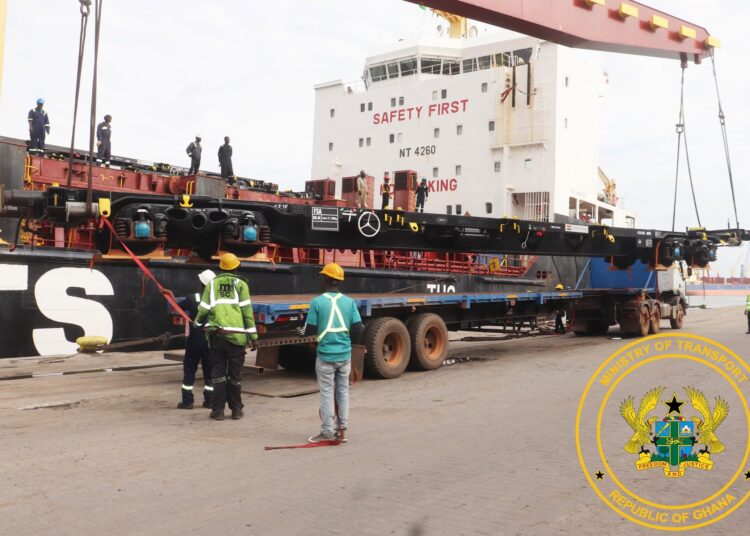
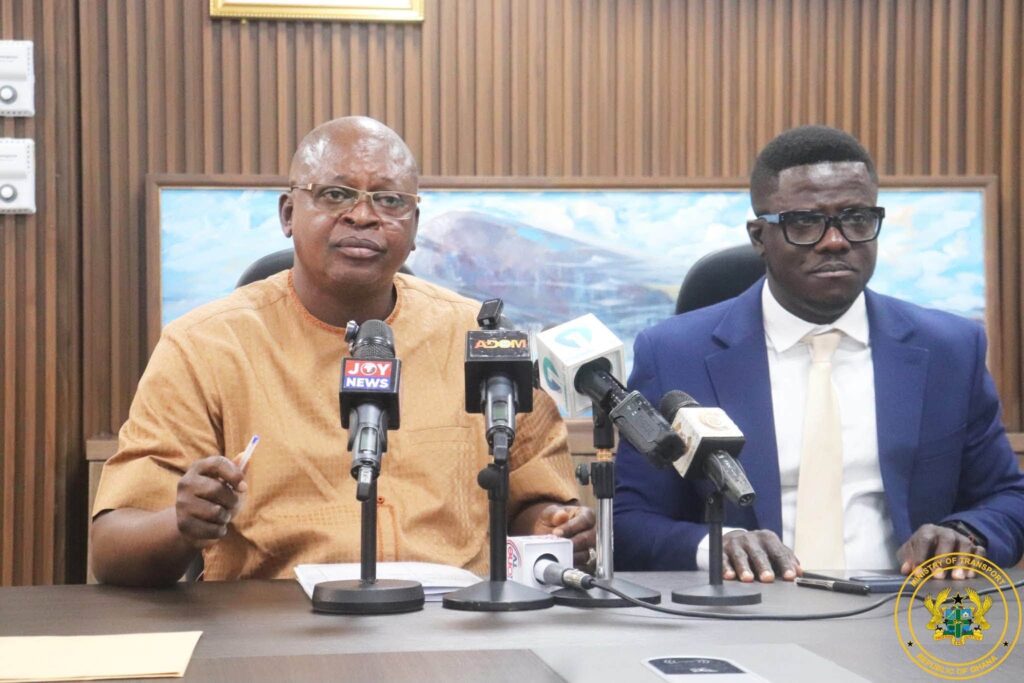
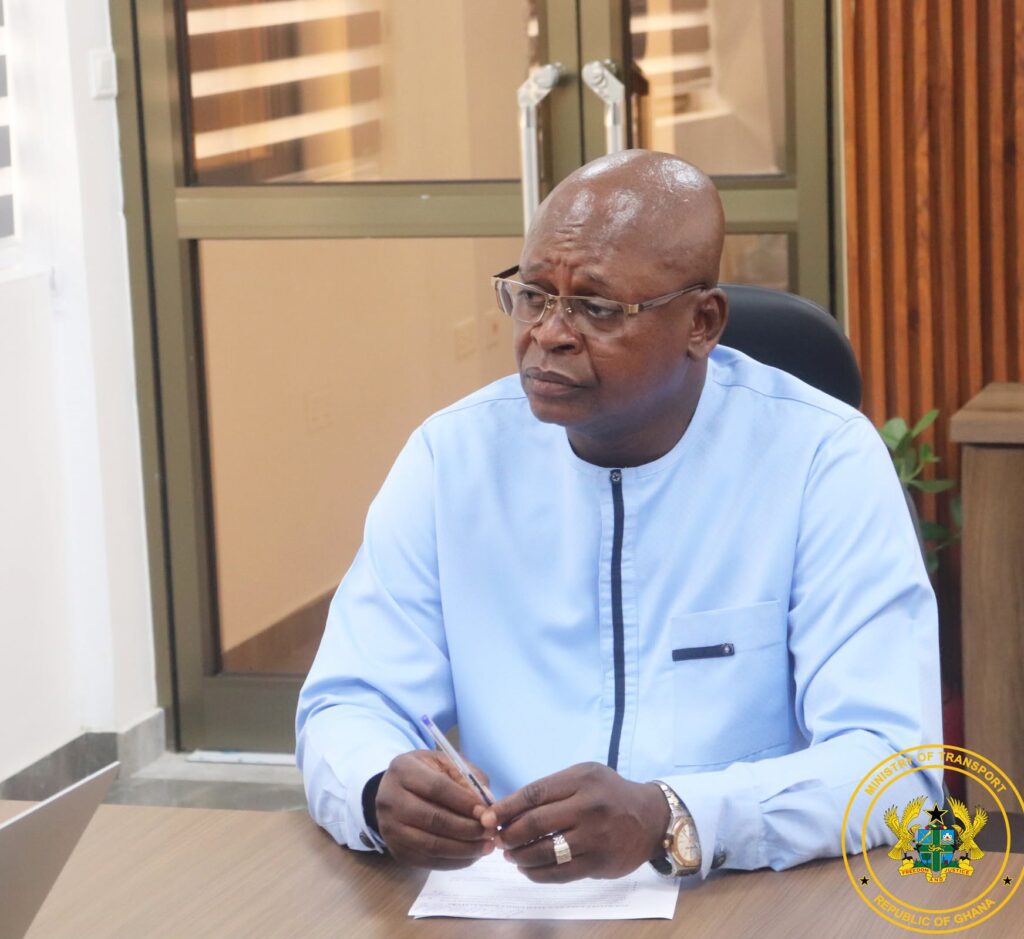
Transport Minister, Joseph Bukari Nikpe has disclosed that government is working to expand rail-based cargo services beyond the Tema corridor by extending freight operations from the Takoradi Port to mining areas across the country.
This ambitious expansion strategy forms a central pillar of the state’s broader agenda to modernize transport infrastructure and overhaul heavy logistics nationwide.
By connecting the Western line directly to major mineral concessions, the initiative aims to transition high-volume bulk commodities from road to rail, ensuring structural efficiency in industrial transport.
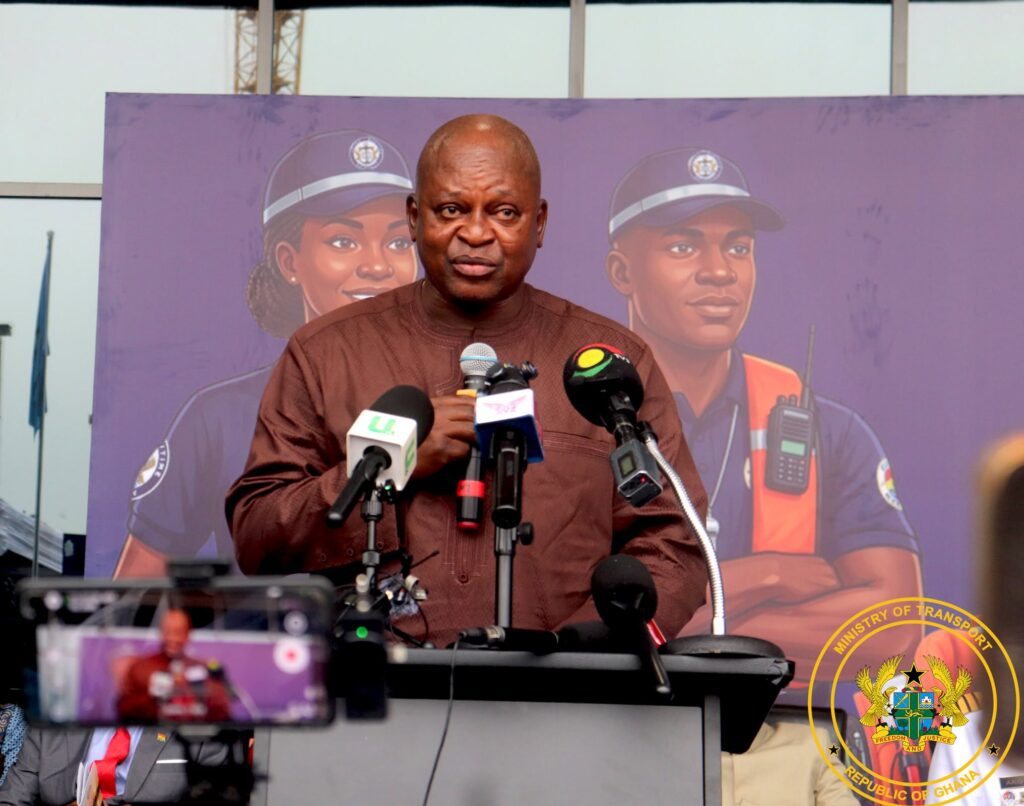
“We are working hard to see how we will link from Takradi to all the mining sites. And we believe when we are able to do this, it will help us rake in the needed revenue to sustain our rail services.”
Transport Minister, Joseph Bukari Nikpe
The strategic policy shift seeks to optimize the deployment of recently acquired rolling stock to maximize commercial returns on public infrastructure investments.
Under this operational framework, the Ministry of Transport intends to link major bauxite, manganese, and gold mining enclaves directly to the sea through the Takoradi port grid.
This network expansion is anticipated to alleviate severe pressure on the nation’s highway networks, dramatically lower haulage costs for industrial concessions, and position the railway sector as a self-sustaining financial entity.
Economic Viability and Asset Life Cycle
Financial projections indicate a remarkably swift path to capital recovery for the newly deployed asset fleet under the current cargo expansion blueprint.
According to regulatory evaluations, the newly acquired freight assets possess an operational lifespan ranging between 10 to 20 years, contingent upon the enforcement of standard preventive maintenance frameworks.
If proper technical upkeep is consistently applied, these heavy-duty assets are guaranteed to achieve their maximum 20-year operational utility.
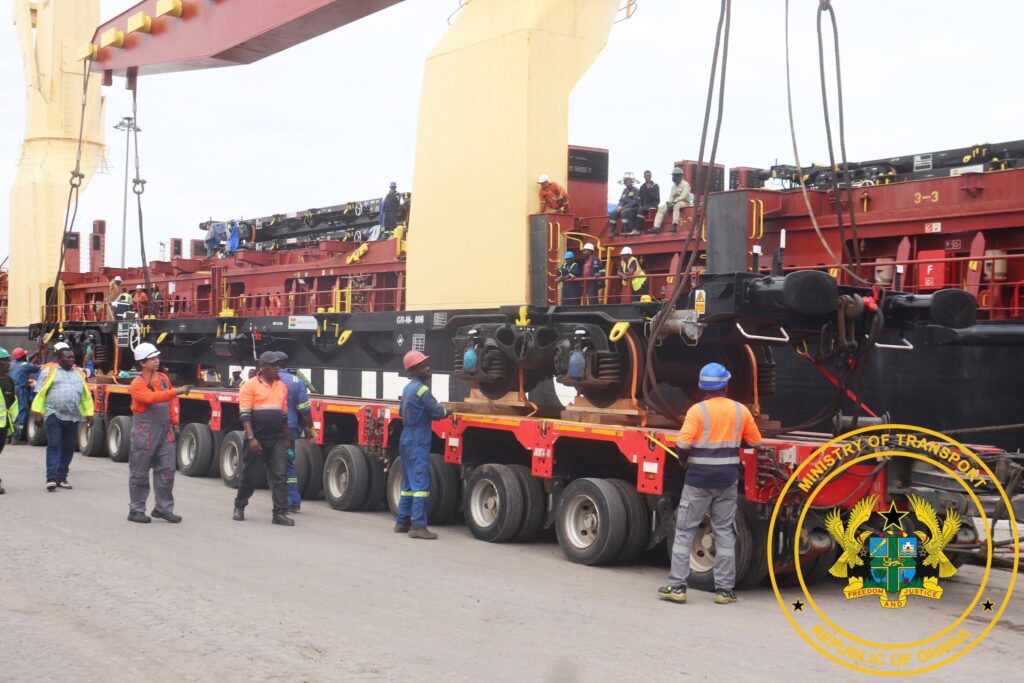
Government forecasts reveal that if current freight volumes and operational trajectories are maintained, the state-backed rail program will successfully achieve its fiscal break-even point within the first two years of continuous service.
Consequently, achieving financial equilibrium within this narrow biennial window positions the state to generate net profits for over 15 years using the current pair of locomotives and 20 accompanying wagons. This long-term profitability model underpins the business case for expanding commercial bulk freight networks deep into the resource-rich hinterlands.
Industrialization and Multi-Modal Logistics Integration
The integration of heavy freight logistics into the mining value chain serves as a fundamental catalyst for domestic industrialization and structural transformation.
By prioritizing the bulk fleet aspect alongside urban passenger services, the Ministry of Transport is creating a symbiotic transit model where high-margin cargo revenues actively subsidize and sustain broad-based public transport systems.
Moving heavy commodities via rail reduces transit times and optimizes supply chain predictability for multinational and domestic extraction firms alike.
Moreover, the alignment of the Takoradi Port’s maritime output with dedicated rail spurs forms a highly efficient multi-modal trade corridor.
This spatial organization allows for seamless ship-to-rail transfers, decreasing vessel turnaround times at the port and eliminating costly demurrage fees.
As industrial hubs grow around these vital rail nodes, the domestic manufacturing sector stands to benefit from cheaper raw material access, fostering widespread economic decentralization beyond traditional urban capitals.
Macroeconomic Implications and Sovereign Revenue Generation
In terms of broader macroeconomic impacts, connecting the rail network directly to extraction sites could significantly bolster Ghana’s fiscal resilience and preserve vital public infrastructure.
Cultivating a robust rail-based logistics network could dramatically safeguard the lifespan of national highways, which currently suffer catastrophic degradation from over-reliance on heavy axle road haulage.
This transition would save the country millions of dollars annually in road maintenance expenditures, freeing up capital for other development projects.
Furthermore, a highly optimized bulk rail system could unlock substantial sovereign revenue streams through expanded mineral royalty volumes and enhanced export efficiencies.
By lowering the cost per ton-mile for bulk exports, the state can improve the global competitiveness of its mineral commodities, directly boosting national foreign exchange reserves.
The resulting influx of predictable freight fees will provide the Ghana Railway Company with the critical financial autonomy required to fund future track expansion projects independently of external sovereign debt.
READ ALSO: FABAG Appeals to President Mahama for Immediate Suspension of Ghana Easy Pass Programme