Workers of Prestea Sankofa Gold Limited (PSGL) have laid down their tools to protest the non-implementation of an essential collective agreement, throwing operational activities at the Western Region mining site into sudden paralysis.
The industrial action stems directly from an ongoing executive dispute, where employees allege that the company’s Managing Director has deliberately withheld his signature from a newly negotiated labor pact.
By refusing to execute his specific portion of the framework, the administrative leadership has effectively locked out the commencement of critical welfare adjustments, driving agitated staff members to desert their stations until their institutional grievances are formally satisfied.
“However, we are in July and what is in the MoU have not been implemented because the MD has refused to sign his portion of the agreement.”
Workers of Prestea Sankofa Gold Limited (PSGL)
The ongoing labor stalemate represents the culmination of intense industrial negotiations that initially commenced in February and concluded successfully by April.
During these bipartisan sessions, specific milestones were mutually outlined regarding the structured payment of outstanding salary arrears, immediate structural wage increments, and the long-delayed end-of-service benefits (ESB) due to eligible personnel.
Despite an explicit operational directive that scheduling for these financial disbursements would commence automatically in May, the execution order has stalled because institutional protocol dictates that the Managing Director must append his signature first, before subsequent validations can be processed by the national workers’ union, the local union division, and the ultimate oversight Board of Directors.
Escalating Labor Discontent and Structural Stagnation
The operational landscape at the Western Region gold facility has deteriorated further following revelation that the regular financial cycle for the workforce has completely collapsed.
Staff remuneration, which is strictly mandated to occur between the 21st and 27th of every month, or by the absolute close of the month under extreme conditions, has vanished, leaving the entirety of the local mining collective without their June compensation.
This severe salary deficit has heightened internal anxieties, fortifying the resolve of the local labor workforce to prolong the sit-down strike indefinitely until physical execution of the negotiated welfare document is visibly enacted.

Union leaders have expressed complete astonishment regarding the executive blockade, pointing out that all financial components were thoroughly debated and verified during the spring assemblies.
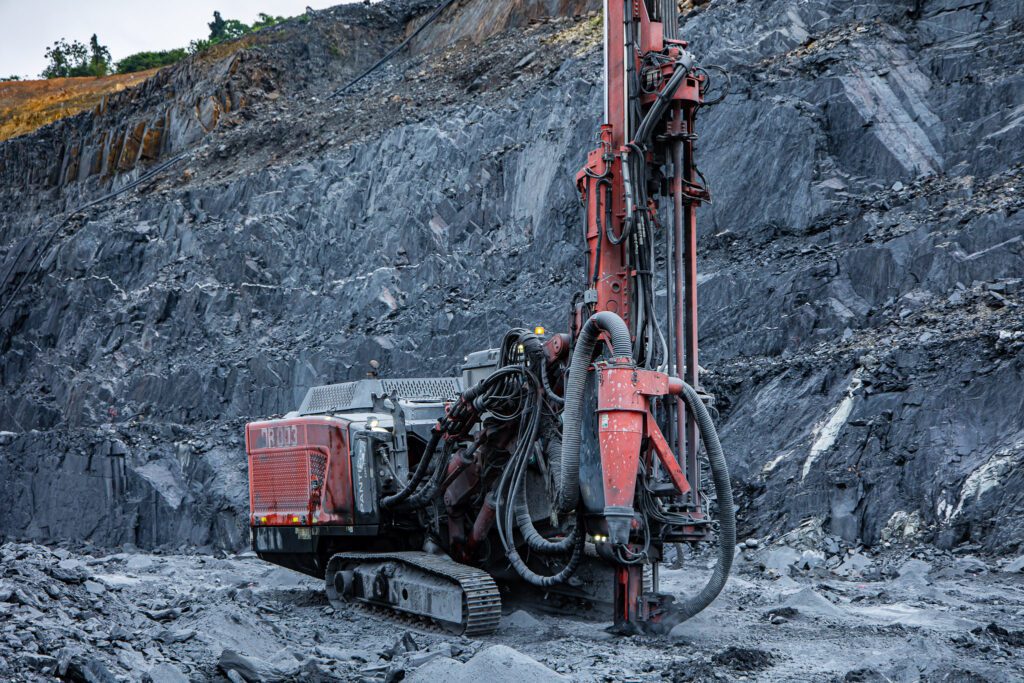
The complete halt of standard operations means that daily mineral processing targets are no longer being achieved, introducing significant financial inefficiencies into the company’s regional supply infrastructure.
Because the local workforce remains unified against the management’s administrative delays, the total suspension of labor functions continues to directly threaten the broader economic output of the processing plant.
Management Explanations and Administrative Setbacks
Public Relations Officer Ebenezer Essien has publicly addressed the mounting labor dispute, confirming that the June payroll distribution experienced unexpected logistical failures due to unexpected environmental crises.
According to management statements, the necessary Payment Vouchers had already been calculated and prepared for clearance, but the essential administrative signatories stationed at the corporate head office in Accra were completely incapacitated by severe regional flooding, which blocked physical access to the financial headquarters.
Corporate leadership has communicated to the striking staff that these specific financial documents will be fully processed and salaries disbursed before the conclusion of the current week.
Management has explicitly rejected claims that executive leadership is carrying out an intentional blockade of the collective bargaining agreement, noting that the eleven percent salary increment portion has already been fully integrated into the existing corporate payroll system.

The remaining points of friction within the document involve extensive legacy liabilities, including the contested end-of-service benefits, which were structurally negotiated under a completely different corporate administration and an entirely separate Board of Directors.
Consequently, the executive office maintains that reviewing these historic financial obligations requires full institutional authorization from the current oversight Board, which is scheduled to convene an emergency session this week to establish clear, functional payment timelines.
Strategic and Economic Implications for Prestea Sankofa Gold Limited
The prolonged continuation of this sit-down strike introduces serious operational and economic vulnerabilities that could severely damage the long-term viability of Prestea Sankofa Gold Limited.
From an asset management perspective, the sudden abandonment of production lines at a major gold facility disrupts processing schedules and causes substantial revenue losses that cannot be easily recovered.
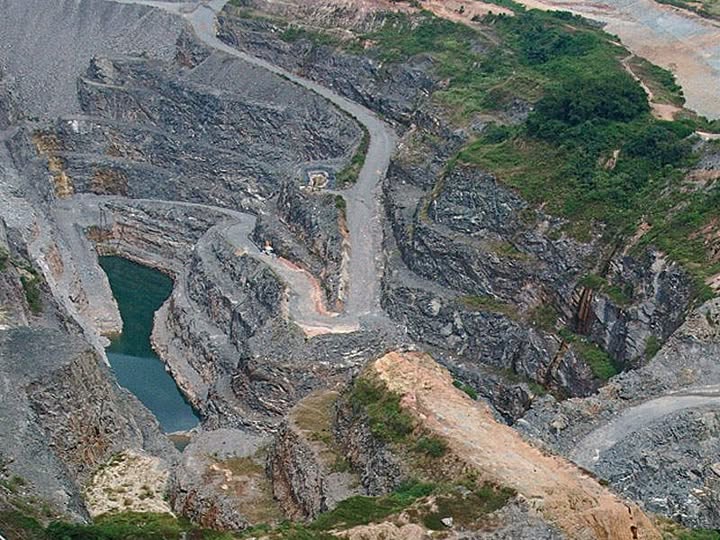
Prolonged equipment idle time can also lead to increased maintenance costs when operations eventually resume.
Furthermore, this industrial conflict significantly harms the company’s corporate reputation within the highly competitive Ghanaian mining sector, potentially making it harder to attract external investment capital or maintain stable credit lines with financial institutions.
If the upcoming board meetings fail to produce acceptable timelines for the legacy end-of-service benefits, the resulting legal and regulatory scrutiny from national labor unions could expose the corporation to expensive litigation.
Ultimately, the current deadlock threatens to weaken investor confidence and undermine the structural stability of the entire enterprise.
READ ALSO: Not Resting Till Kumai Becomes Extremely Clean — Kumasi Mayor