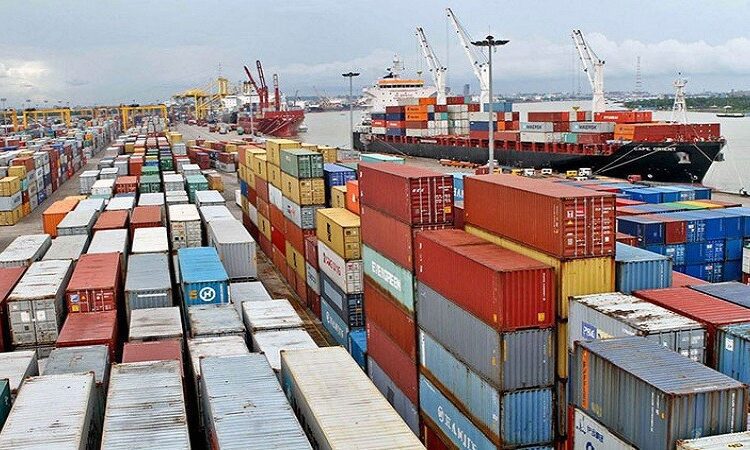
Ghana’s maritime trade sector has recorded a powerful start to 2026, with container traffic through the country’s major ports posting significant growth in the first quarter.
New figures from the Bank of Ghana show that cargo movement expanded sharply, highlighting renewed strength in merchandise trade and reinforcing the importance of the Tema and Takoradi ports as key engines of economic activity.
The latest data revealed that laden container traffic increased by 24.7 percent year-on-year in March 2026, reaching 91,742 containers compared with 73,577 containers recorded during the same period in 2025.
The impressive jump reflects growing volumes of goods moving through Ghana’s maritime gateways as businesses continue to rely on sea transport for imports and exports. The development comes at a time when global trade conditions remain challenging, making the strong performance of Ghana’s ports a notable indicator of commercial resilience.
The surge in container activity also contributed to a stronger first-quarter performance. Between January and March 2026, Ghana’s ports handled a total of 237,018 laden containers, representing a 15.5 percent increase from the 205,145 containers recorded during the corresponding period in 2025.
Tema and Takoradi Ports Drive Trade Expansion
The growth in container volumes underscores the increasing role of Ghana’s two major seaports, Tema Port and Takoradi Port, in facilitating regional and international commerce.
Tema Port remains Ghana’s largest maritime gateway and a major hub for containerised cargo, serving businesses across multiple sectors including manufacturing, agriculture, mining and retail. Takoradi Port, on the other hand, continues to support Ghana’s export activities, particularly in areas linked to minerals, energy and industrial commodities.
The consistent rise in cargo volumes suggests stronger business activity and increased movement of goods into and out of the country. For import-dependent businesses, higher container traffic could signal increased availability of raw materials, equipment and consumer goods needed to support economic expansion.
The performance also highlights the impact of investments aimed at improving port efficiency and competitiveness. Over the years, Ghana has pursued initiatives to modernise port infrastructure, streamline cargo handling processes and strengthen its position as a trade hub within West Africa.
Passenger Arrivals Show Mixed Performance
While maritime trade recorded strong gains, passenger movement through Ghana’s borders and international entry points experienced a more subdued performance during the period.
According to the report, passenger arrivals in March 2026 stood at 96,412, representing a decline of 1.8 percent from the 98,146 arrivals recorded in March 2025.
However, the monthly performance remained relatively stable compared with February 2026, when arrivals reached 96,494. This suggests that despite the year-on-year decline, travel demand remained steady during the opening months of the year.
Despite the weaker March figure, Ghana’s overall international arrivals recorded moderate growth during the first quarter. Total passenger arrivals between January and March 2026 reached 302,993, up 2.6 percent from the 295,415 recorded during the same period in 2025.
The figures indicate that while passenger movement has not matched the rapid growth seen in cargo activity, international travel continues to maintain a gradual recovery trend.

Trade Growth Outpaces Travel Activity
The contrasting performances of cargo and passenger traffic point to a broader trend in Ghana’s external sector, where merchandise trade is currently expanding faster than cross-border travel.
The strong growth in container volumes reflects increased commercial transactions and rising demand for shipping services. It also provides an important signal about business confidence, as companies typically increase import and export activities when economic conditions improve or when they anticipate stronger market opportunities.
The expansion in cargo movement could also support government revenue generation through port-related taxes, duties and service charges. Ghana’s ports remain a critical source of customs revenue, making improved cargo performance significant for fiscal stability.
At the same time, the slower pace of passenger growth highlights the need for continued efforts to strengthen tourism, aviation connectivity and international mobility. A stronger recovery in travel activity could provide additional support for hospitality, transport and service industries.
Ghana’s Ports Remain Key Economic Drivers
The latest Bank of Ghana figures reinforce the strategic importance of Ghana’s maritime infrastructure in supporting economic growth. With container traffic rising significantly and first-quarter volumes showing sustained momentum, the country’s ports continue to play a central role in connecting Ghanaian businesses to global markets.
As trade activity strengthens, stakeholders will be watching whether the momentum can be sustained throughout 2026. Continued improvements in port efficiency, logistics networks and trade facilitation measures will be crucial in ensuring Ghana maximises the benefits of growing maritime commerce.
Ghana’s maritime trade sector is gaining speed, with cargo activity emerging as one of the strongest indicators of economic movement in the early months of 2026.
READ ALSO: Fraudsters Outwit Banks as GH¢64.5 Million Vanishes