
Ghana’s experience in promoting energy-efficient appliances and enforcing minimum energy performance standards (MEPS) is attracting renewed regional attention, with Kenya’s Energy and Petroleum Regulatory Authority (EPRA) visiting the Energy Commission to study the country’s regulatory framework and implementation model.
The benchmarking visit reflects growing recognition of Ghana’s leadership in energy efficiency within West Africa at a time when African countries are increasingly turning to demand-side energy management to improve electricity security, reduce consumer energy costs and delay expensive investments in additional power generation. As electricity demand continues to grow across the continent, improving the efficiency of appliances is emerging as one of the most cost-effective ways of strengthening national energy systems.
Kenya studies Ghana’s regulatory approach
The Kenyan delegation, drawn from EPRA’s Electricity and Renewable Energy Directorate, held technical engagements with officials of the Energy Commission to examine how Ghana has developed and implemented Minimum Energy Performance Standards (MEPS).
The discussions focused on four key areas: Ghana’s implementation framework, policies and institutional arrangements supporting MEPS; monitoring, compliance and enforcement mechanisms; the design and implementation of both national and regional MEPS programmes; and data collection, benchmarking and performance-tracking systems that guide regulatory decisions.
The visit forms part of broader efforts by African regulators to learn from successful experiences within the continent rather than relying solely on external models.
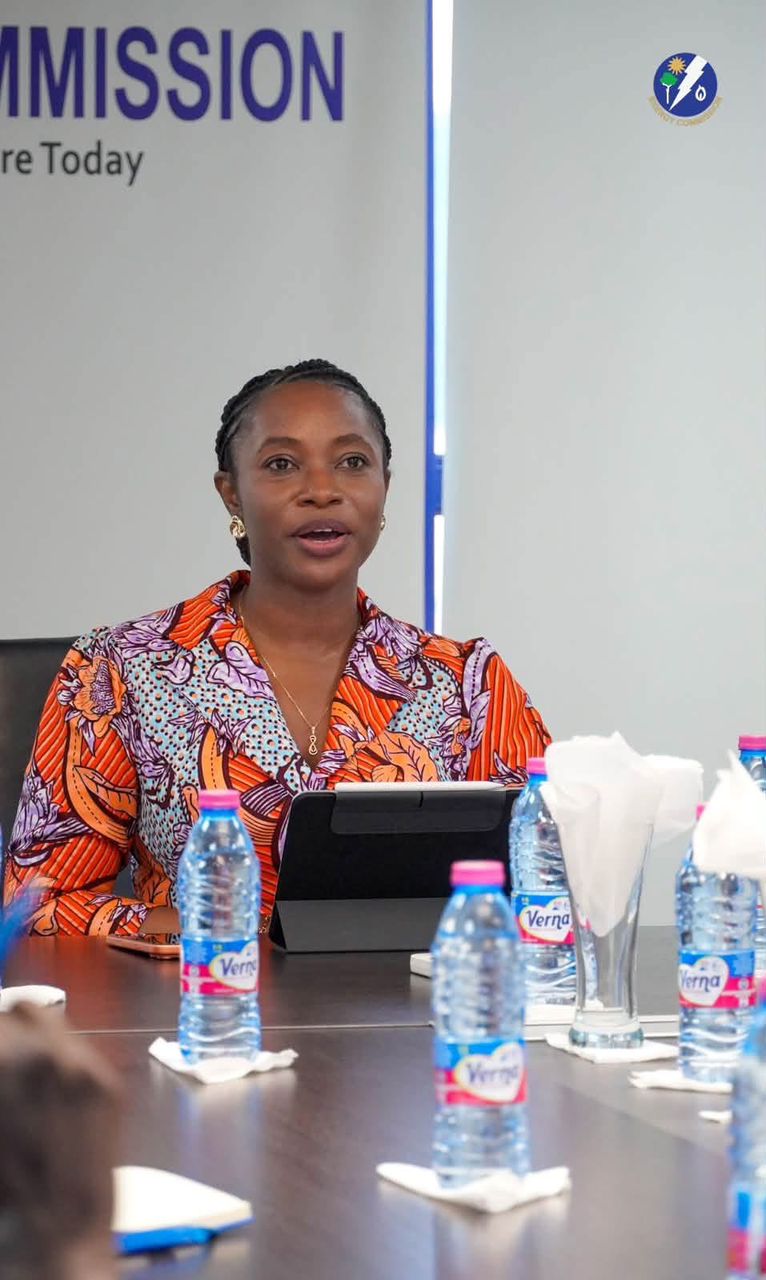
Welcoming the delegation, Acting Executive Secretary of the Energy Commission, Ms. Adwoa Serwaa Bondzie, traced Ghana’s energy efficiency journey to the mid-2000s, when the Commission introduced its Standards and Labelling Programme.
Ghana’s efficiency journey stretches back to the mid-2000s, when the Commission introduced its Standards and Labelling programme, beginning with refrigerating appliances before extending to air conditioners and lighting products.
Acting Executive Secretary of the Energy Commission, Ms. Adwoa Serwaa Bondzi
She noted that the Commission’s refrigerator rebate and exchange programme had demonstrated how regulation, incentives and public education could transform consumer behaviour and gradually shift an entire market toward more efficient appliances.
Why energy efficiency matters
Unlike investments that focus solely on building new power plants, energy efficiency seeks to reduce electricity consumption without compromising the services consumers receive.
By encouraging households and businesses to use appliances that consume less electricity, governments can reduce pressure on national grids, lower electricity bills and improve overall energy security.
For Ghana, where electricity demand continues to rise alongside industrialisation and urbanisation, improving energy efficiency has become an increasingly important component of long-term energy planning.

The Energy Commission has over the years expanded its standards and labelling programme beyond refrigerators to include air conditioners and lighting products, while strengthening testing, verification and enforcement systems to ensure only compliant products enter the market.
These interventions have helped remove inefficient appliances from the market while giving consumers clearer information about energy consumption before making purchasing decisions.
Regional cooperation gathering momentum
Beyond national implementation, Ghana has also played an important role in efforts to harmonise energy-efficiency standards across the Economic Community of West African States (ECOWAS).
Harmonised standards are intended to simplify trade within the region while ensuring that low-efficiency appliances are gradually eliminated from African markets.
According to the Energy Commission, the country has continued strengthening the institutional arrangements supporting compliance and enforcement while contributing to regional efforts aimed at developing common standards.

For Kenya, understanding Ghana’s institutional experience could provide useful insights as East African countries continue expanding their own energy-efficiency programmes.
The benchmarking exercise also highlights a growing trend among African regulators to exchange practical experiences on policy implementation, monitoring systems and market surveillance rather than developing regulatory approaches in isolation.
Lessons beyond regulation
The visit also underscores a broader shift in how African governments are approaching energy policy.
Discussions on energy security have traditionally focused on increasing electricity generation through investments in thermal plants, hydropower, natural gas and renewable energy projects.
Increasingly, however, policymakers are recognising that managing electricity demand can be just as important as expanding supply.

Efficient appliances reduce peak electricity demand, lower operating costs for households and businesses and help utilities make better use of existing generation capacity.
These benefits become particularly important as many African countries seek to improve electricity access while keeping energy affordable for consumers.
For Ghana, energy efficiency complements other priorities currently being pursued by the Ministry of Energy and Green Transition, including expanding renewable energy, improving electricity infrastructure and strengthening overall energy security.
Rather than viewing efficiency as a standalone programme, policymakers increasingly see it as one component of a broader strategy aimed at building a more reliable, affordable and sustainable energy system.
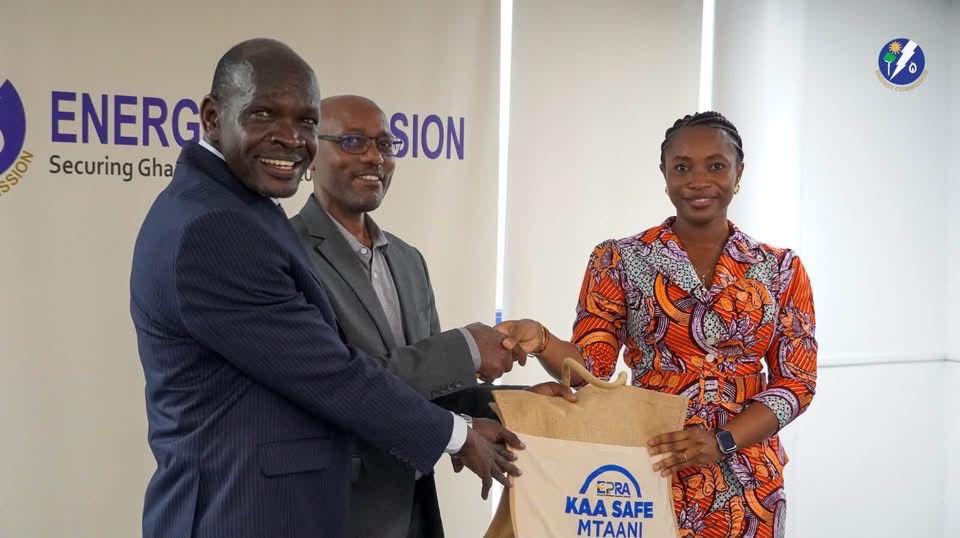
The Kenyan delegation’s visit therefore goes beyond a routine institutional exchange. It reflects growing confidence in Ghana’s regulatory experience and demonstrates how successful policy implementation in one African country can help shape reforms elsewhere on the continent.
As countries continue searching for practical solutions to rising electricity demand, strengthening regional cooperation on energy efficiency could become an important tool for improving power sector performance while supporting sustainable economic development across Africa.
READ ALSO: Viola Davis’ JuVee Productions Signs First-Look Deal with Universal Global TV