

For weeks, Ghana’s downstream petroleum market had been enjoying a period of relative stability as easing tensions in the Middle East helped drive international crude oil prices lower, allowing fuel prices at local pumps to decline across successive pricing windows.
That trend may now be facing fresh uncertainty after global crude oil prices surged by more than 5% today following renewed geopolitical tensions involving the United States and Iran, reviving concerns about possible disruptions to one of the world’s most important oil supply routes.
Fresh geopolitical tensions shake oil market
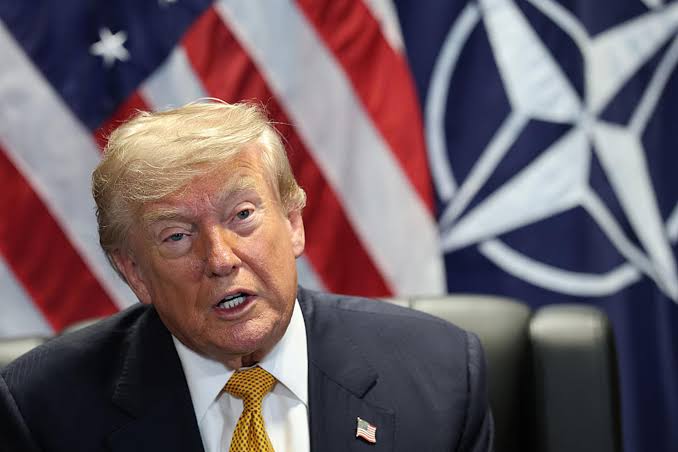
International benchmark Brent crude climbed above US$78 per barrel, while U.S. West Texas Intermediate crude also climbed up to US$74.35 after U.S. President Donald Trump declared that the memorandum of understanding intended to end the conflict with Iran was “over.”
The statement renewed uncertainty over the security of oil shipments through the Strait of Hormuz, a strategic maritime corridor through which roughly one-fifth of global oil supplies normally pass.
Market analysts say investors quickly reacted by pricing in the possibility that renewed hostilities or attacks on commercial shipping could tighten global crude supplies in the short term.
The market is again being forced to price the risk that renewed attacks on shipping, or a broader breakdown in U.S.-Iran relations, could slow the normalisation of flows through the Strait of Hormuz.
Saxo Bank Analyst Ole Hansen
Further concerns emerged after reports that several oil and gas tankers had reportedly turned back from attempting to transit the waterway amid heightened security risks.
Why developments abroad matter in Ghana
Although Ghana does not import crude oil directly through the Strait of Hormuz, international crude prices remain one of the most important variables used in determining local petroleum prices.
Under Ghana’s deregulated downstream petroleum pricing system, movements in global crude and refined petroleum product prices, together with exchange rate performance, influence the prices consumers eventually pay at filling stations.
The latest jump therefore comes at a time when Ghanaian consumers had begun benefiting from a series of fuel price reductions.

Only days ago, the National Petroleum Authority (NPA) lowered its indicative price floors for the first pricing window of July, after global oil prices retreated following the easing of earlier tensions between the United States and Iran. Several Oil Marketing Companies subsequently reduced their pump prices, offering some relief to motorists, transport operators and businesses.
A sustained rise in international crude prices could slow that momentum if higher import costs begin feeding into future pricing windows.
Impact extends beyond motorists
Changes in crude oil prices rarely affect only vehicle owners.
Petroleum products are a major operating cost for transport companies, manufacturers, farmers, mining firms and logistics operators. As fuel prices increase, businesses often face higher transportation and production costs, which can eventually influence the prices consumers pay for goods and services.
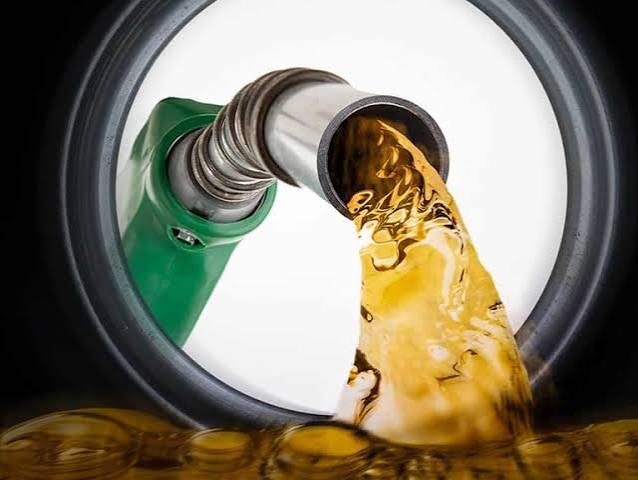
For Ghana, where fuel costs play a significant role in inflation and business competitiveness, prolonged increases in crude prices could place renewed pressure on household budgets and operating costs across several sectors of the economy.
Conversely, if the latest spike proves temporary and geopolitical tensions ease again, the impact on local fuel prices may be limited.
Markets watching the Strait of Hormuz
Analysts say the immediate focus remains on developments around the Strait of Hormuz, which continues to be one of the world’s most strategically important energy corridors.
Besides transporting crude oil from major Gulf producers, the route also handles significant volumes of liquefied natural gas destined for international markets.
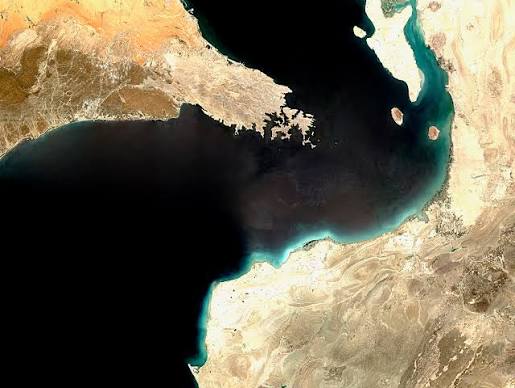
Any prolonged disruption could tighten global energy supplies and keep oil prices elevated.
The assertion that the memorandum is over raises the prospect of a re-closing of the Strait as an escalatory cycle begins again
Sauk Kavoniv, Head of Research at MST Marquee
Outlook for Ghana
Whether the latest rally in oil prices translates into higher fuel prices in Ghana will depend on several factors over the coming days, including how long geopolitical tensions persist, movements in refined petroleum product prices, and the performance of the Ghana cedi against the U.S. dollar.
For now, the sharp rebound in crude prices serves as a reminder of how quickly international geopolitical developments can influence Ghana’s downstream petroleum market.

After several weeks of easing prices that brought relief to consumers, the renewed volatility suggests that maintaining those gains will depend largely on whether stability returns to global oil markets.
READ ALSO: New IMF Chief Economist Signals Fresh Global Economic Direction