As African countries seek to maximise the benefits of their petroleum resources while improving regulatory oversight, Ghana is increasingly positioning itself as a source of technical expertise within the continent’s upstream oil and gas industry.
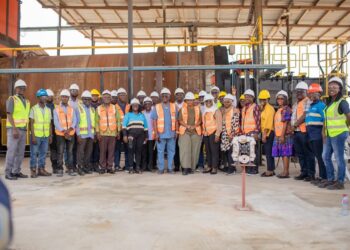
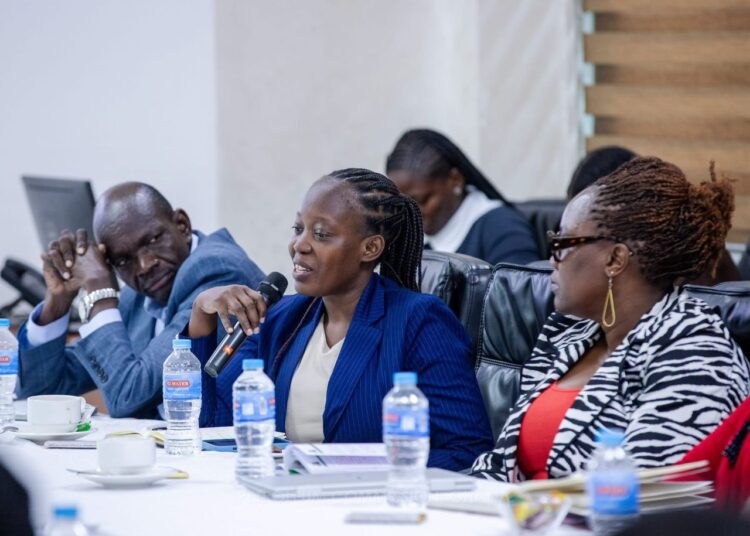
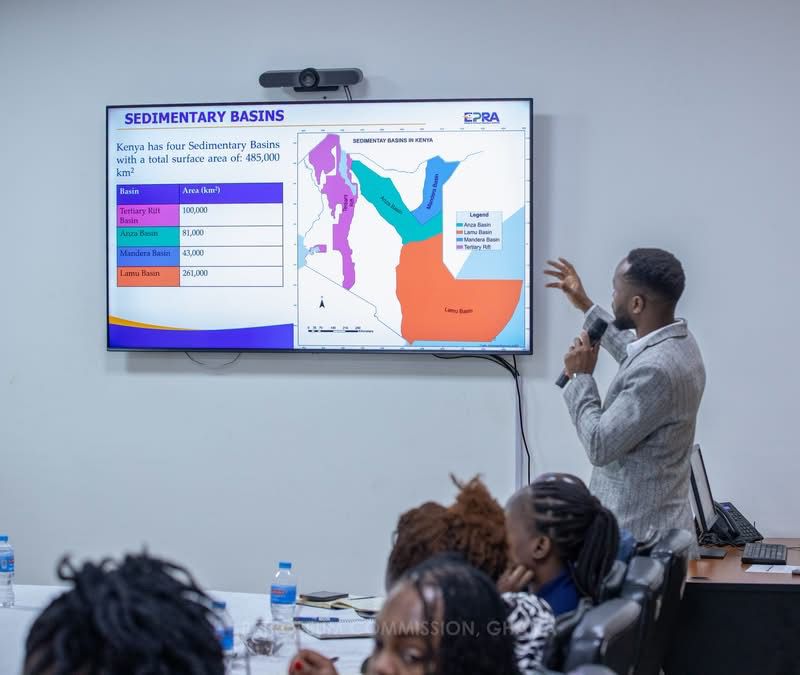
That role was reinforced this week as the Petroleum Commission hosted a delegation from Kenya’s Energy and Petroleum Regulatory Authority (EPRA) for a week-long peer-to-peer learning exercise aimed at strengthening regulatory capacity, promoting knowledge exchange and enhancing cooperation between African petroleum regulators.
The engagement comes at a time when many African oil-producing and emerging petroleum economies are seeking to build stronger institutions capable of regulating increasingly complex upstream petroleum activities while attracting responsible investment.
Knowledge exchange beyond diplomacy
Unlike ceremonial bilateral visits, peer-to-peer learning exercises are designed to allow regulators to compare practical experiences, identify institutional strengths and examine approaches that can improve policy implementation and industry oversight.
According to the Petroleum Commission, the programme brings together technical experts from both institutions for discussions, experience sharing and field engagements focused on identifying practical solutions that support a more transparent, resilient and sustainable upstream petroleum industry.
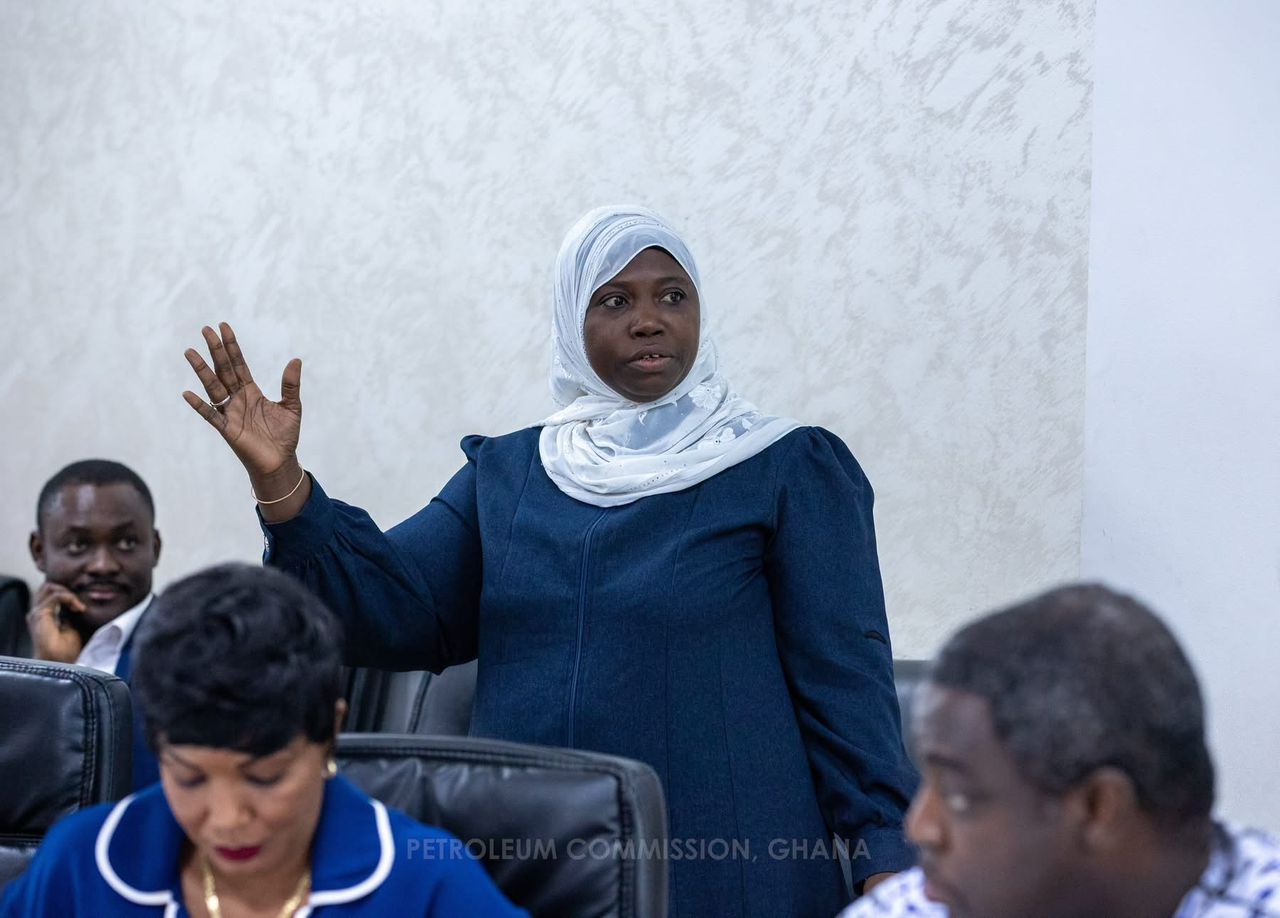
Through technical discussions, experience sharing and field engagements, both institutions are exploring practical solutions that will contribute to a more resilient, transparent and sustainable upstream petroleum industry across the continent.
Petroleum Commission
Although the Commission did not disclose the specific technical sessions, such exchanges typically allow regulators to compare licensing systems, petroleum data management, local content implementation, environmental oversight, field development regulation and compliance monitoring.
For Ghana, sharing these experiences also reflects the country’s growing institutional maturity after nearly two decades of commercial petroleum production.
Growing recognition of Ghana’s regulatory experience
Since commercial oil production began in 2010, Ghana has developed a regulatory framework that has overseen activities in major producing fields including Jubilee, TEN and Sankofa.
Over the years, the Petroleum Commission has expanded its role beyond licensing and monitoring to include local content development, capacity building, petroleum data management, health and safety oversight and workforce development.
That experience has increasingly attracted interest from other African countries that are either developing new petroleum industries or strengthening existing regulatory institutions.

The Kenyan visit follows another regional knowledge-sharing engagement earlier this week, when officials from Kenya’s EPRA visited Ghana’s Energy Commission to study the country’s implementation of Minimum Energy Performance Standards (MEPS) and energy efficiency programmes.
Taken together, the two engagements highlight Ghana’s growing role as a regional knowledge hub across both the upstream and downstream segments of the energy sector.
Why stronger regulators matter
While oil discoveries often attract public attention, industry experts argue that the effectiveness of petroleum regulators ultimately determines whether resource wealth translates into long-term national development.
Strong regulatory institutions help ensure that petroleum operations comply with safety standards, environmental requirements, contractual obligations and national laws while providing investors with predictable operating environments.
They also strengthen public confidence by improving transparency and accountability in the management of petroleum resources.
For citizens, better regulation can contribute to safer operations, stronger environmental protection and more effective management of petroleum activities that ultimately support government revenues and broader economic development.
As more African countries pursue oil and gas development alongside energy transition objectives, regulators are also being required to manage increasingly complex issues, including emissions reduction, carbon management, decommissioning planning and emerging technologies.
Regional collaboration becoming increasingly important
Rather than working in isolation, African petroleum regulators are placing greater emphasis on institutional cooperation as countries confront many of the same regulatory challenges.
Peer-learning programmes allow regulators to avoid duplicating mistakes, adopt proven practices and strengthen technical capacity more quickly than developing entirely new systems independently.
The Petroleum Commission’s latest engagement reflects this broader trend towards African-led cooperation, where expertise developed within the continent is increasingly being shared among neighbouring institutions instead of relying exclusively on external technical assistance.
Such collaboration also supports wider continental efforts to improve governance standards across Africa’s petroleum industry while encouraging greater consistency in regulatory approaches.
For Ghana, hosting regulators from other African countries reinforces its reputation as a jurisdiction with established petroleum governance institutions and demonstrates how technical cooperation can complement broader efforts to strengthen Africa’s energy sector.
As governments across the continent continue balancing resource development with sustainability and economic transformation, exchanges such as the Ghana-Kenya programme may become an increasingly important tool for building stronger institutions capable of delivering long-term value from Africa’s petroleum resources.
READ ALSO: Ghalibaf Accuses US Of ‘Major Violations’ Of MoU With Iran