The government has firmly rejected claims that it acted unlawfully in disbursing GH¢350 million to finance flood relief and mitigation efforts, insisting that the release of the funds complied fully with Ghana’s public financial management laws.
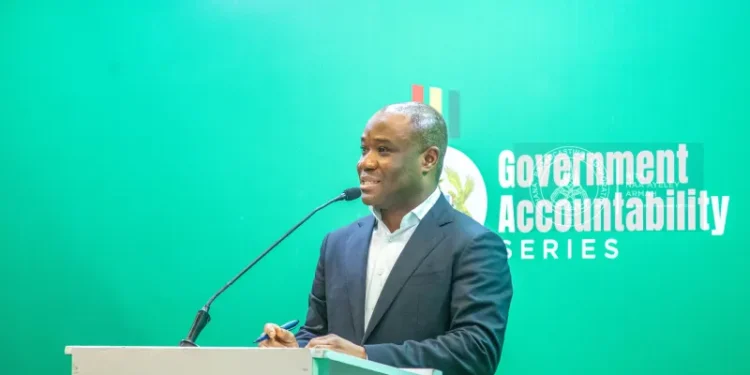
Presidential Spokesperson and Minister of State in charge of Government Communications, Hon. Felix Kwakye Ofosu, said suggestions that government bypassed legal procedures are without merit, since the funds were ultimately drawn from a lawful budget allocation after access to the Contingency Fund became impossible.
“There is really no issue. No law has been breached. There has been nothing done that is illegal,” Hon. Kwakye Ofosu said while responding to questions about the disbursement.
The dispute arose after Parliament’s Finance Committee approved a request from the Minister for Finance to withdraw GH¢350 million from the Contingency Fund to finance government’s response to recent flooding.
Of that amount, the Presidential Spokesperson noted that GH¢150 million was allocated for immediate relief operations, while GH¢200 million was earmarked for post-flood mitigation measures.

According to Hon. Kwakye Ofosu, once the Finance Committee granted approval, the Minister for Finance formally requested the Governor of the Bank of Ghana to release the funds from the Contingency Fund.
The Governor, however, informed the Minister that the account was subject to an injunction tied to a longstanding land dispute that has moved through the courts for decades.
Respecting the Court Order
The Minister for Government Communications Hon. Kwakye Ofosu said government chose to respect the injunction rather than attempt to access the Contingency Fund in defiance of the court.
Faced with an urgent need to fund flood relief, the Finance Minister instead turned to the Contingency Vote contained within the 2026 Budget, an allocation Parliament had already approved through the Appropriations Act.
The Minister of State in charge of Government Communications explained that Ghana’s public finance framework draws a clear distinction between the Contingency Fund and the Contingency Vote.
Withdrawals from the Contingency Fund require fresh approval from Parliament’s Finance Committee, he said, while funds allocated under the Contingency Vote can be accessed directly by the Finance Minister without seeking additional parliamentary approval, since Parliament had already appropriated that money.
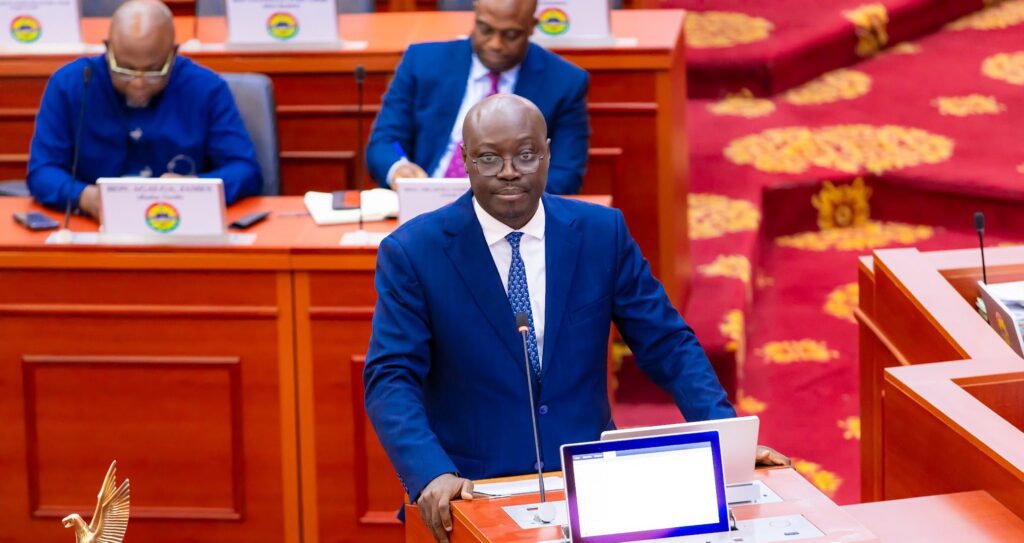
He added that the Finance Minister’s only remaining obligation is to account for the expenditure at the end of the financial year, a routine requirement rather than evidence of irregularity.
Defending the Attorney General’s Role
Hon. Kwakye Ofosu also dismissed suggestions that Attorney General Dr Dominic Ayine had acted improperly by offering legal advice on the matter.
“The Attorney General only proffered an opinion, which he is entitled to do. It does not offend the laws of Ghana in any way, shape or form,” he said, pushing back directly against calls from the Minority for Ayine’s dismissal over his involvement in the disbursement.
Looking ahead, Hon. Kwakye Ofosu disclosed that once the injunction on the Contingency Fund is lifted, the government could reimburse the Contingency Vote using funds from the Contingency Fund, effectively restoring the original account structure.
He stressed, however, that even if the injunction remains in place indefinitely, the current arrangement stays lawful in its own right, since the Finance Minister already holds the necessary authority under the Appropriations Act to spend from the Contingency Vote.
A Process Government Says Was Fully Lawful
Hon. Kwakye Ofosu maintained throughout his remarks that the Finance Minister acted strictly within the authority granted by the Appropriations Act, and that the government complied simultaneously with both the court order and Ghana’s public finance laws while still ensuring emergency support reached flood-affected communities without delay.
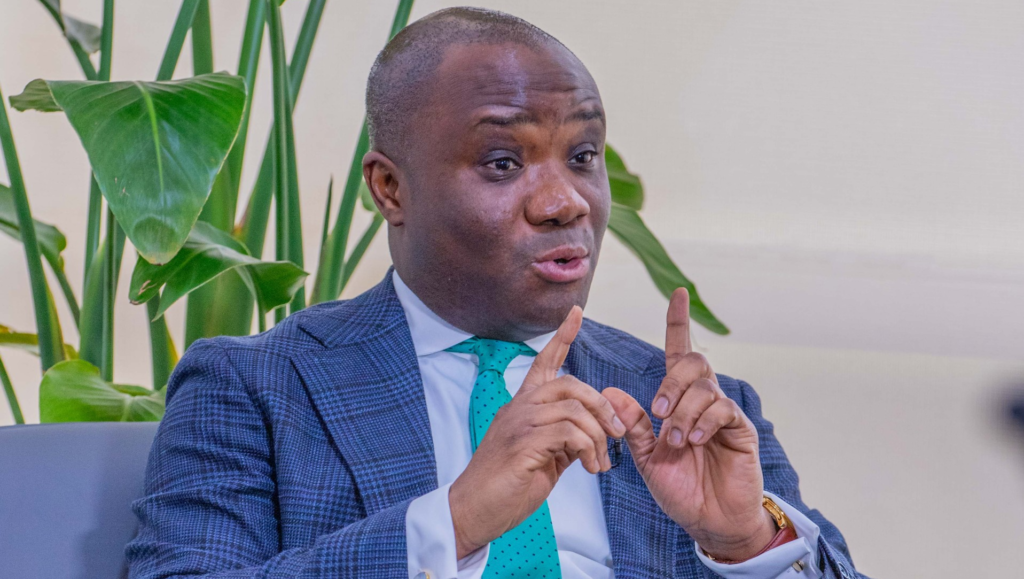
His account frames the episode as a procedural adjustment rather than a legal violation, resting on the technical distinction between two separate budgetary instruments, the Contingency Fund and the Contingency Vote, each carrying its own approval requirements under Ghana’s public financial management system.
While Hon. Kwakye Ofosu’s explanation addresses the specific legal mechanics behind the disbursement, the underlying land dispute that triggered the injunction remains unresolved before the courts.
Until that matter is settled, the Contingency Fund itself stays inaccessible, meaning government will likely continue relying on the Contingency Vote for any further emergency allocations tied to the ongoing flood response, a workaround Kwakye Ofosu insists carries no legal risk regardless of how long the injunction persists.
READ ALSO: Hichilema Seeks Second Term as Zambia Election Race Tightens