
Sports in Ghana has for decades remained deeply intertwined with politics, a situation many observers believe has slowed the growth of the industry and undermined its commercial potential.
The consequences have extended beyond administration, with inconsistent performances by national teams at major tournaments and declining public interest in the domestic league often cited as evidence of a system that prioritises political influence over long-term development.
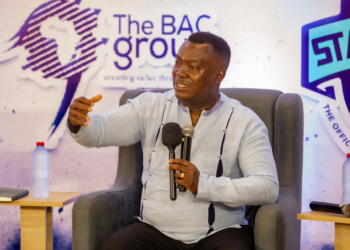
It is against this backdrop that Chief Executive of The Business Africa Consulting Group Limited (The BAC Group), Dr. Ernest Koranteng, has called for a complete rethink of how sports is managed in the country, insisting that the sector must be treated as a viable business capable of creating jobs, attracting investment and contributing significantly to national development.
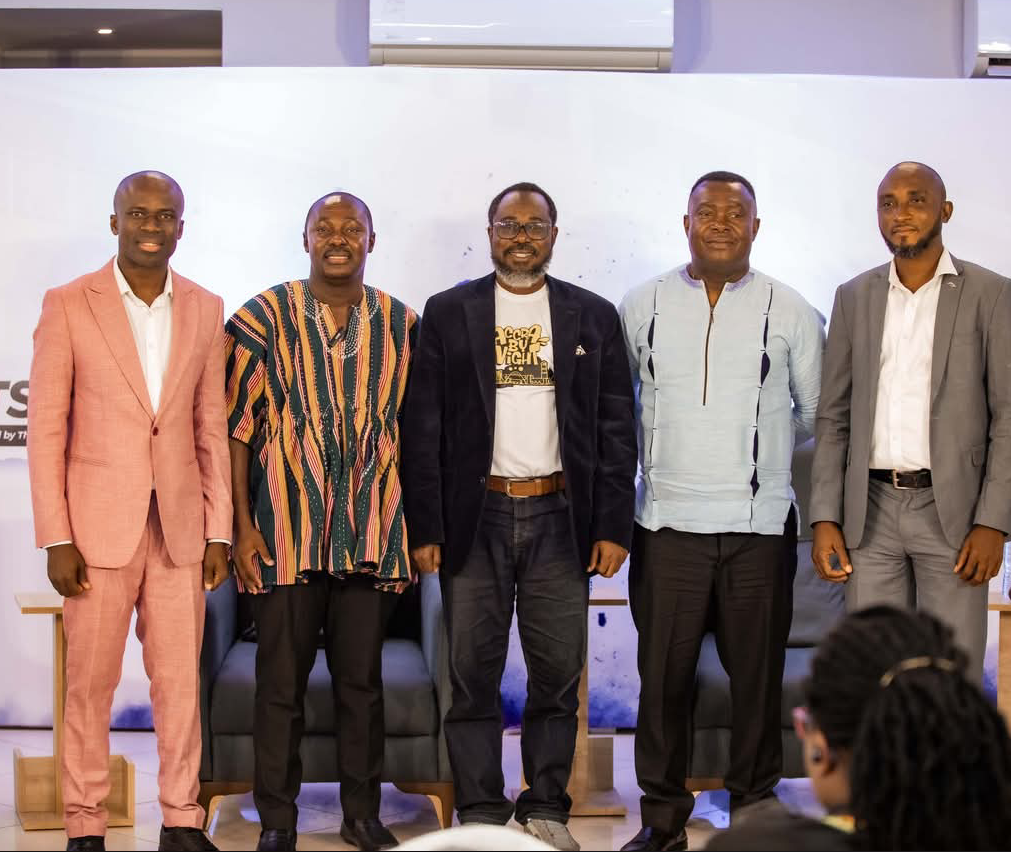
Dr. Koranteng made the remarks while delivering the closing address at the Sports Business Series (SBS), a seminar organised as part of the fifth edition of the All Star Festival at the University of Ghana Stadium in Legon.
The SBS brought together sports administrators, business leaders, academics and industry experts to examine how sports can become a sustainable revenue-generating industry for clubs, businesses and government.
Political Influence Holding Sports Back
Speaking to participants, Dr. Koranteng argued that sports in Ghana has largely been reduced to a political instrument rather than developed as an economic enterprise. “In Ghana, sports is more of a political tool,” he said, stressing that the country has not fully exploited the enormous commercial opportunities available within the industry.
He noted that although sports remains one of the country’s most influential social and cultural assets, with the power to unite people and stimulate economic activity, insufficient strategic planning continues to limit its impact.
According to him, the emphasis on political considerations has often overshadowed efforts to establish strong business structures capable of generating sustainable revenue for clubs, federations and athletes.
The effects of excessive political involvement have become increasingly visible across Ghana’s sporting landscape. National teams have struggled to maintain consistency at major international tournaments, while administrative instability has frequently disrupted long-term planning.
At the domestic level, the Ghana Premier League has witnessed declining spectator attendance, reduced commercial appeal and waning corporate interest, leaving many clubs financially vulnerable and heavily dependent on external support.
These challenges have reinforced growing concerns that sustainable sporting success cannot be achieved without stronger governance, professional management and deliberate investment in the business side of sports.
Building a Sustainable Sports Industry
Dr. Koranteng urged stakeholders to move beyond viewing sports merely as a platform for political visibility and instead embrace it as a serious commercial venture.
He explained that successful sporting nations have built thriving industries around carefully designed business models that maximise sponsorship opportunities, branding, merchandising, broadcasting rights, ticket sales and fan engagement.
He encouraged sports administrators, clubs and investors to adopt innovative strategies that would enable athletes and sporting organisations to become financially independent rather than relying predominantly on government funding.
According to him, a commercially driven sports ecosystem would create employment opportunities, stimulate private sector investment and strengthen the contribution of sports to Ghana’s economy.
The Sports Business Series formed part of broader efforts by the organizers of the All Star Festival to stimulate conversations on sports entrepreneurship and sustainable industry development. Participants explored practical ways of attracting investment into sports, improving governance, strengthening partnerships and creating new revenue streams capable of supporting clubs and sporting institutions over the long term.
Dr. Koranteng’s remarks added to growing calls for structural reforms that place commercial sustainability at the centre of sports administration in Ghana.
The All Star Festival 2026 Culminate in The All Star Game
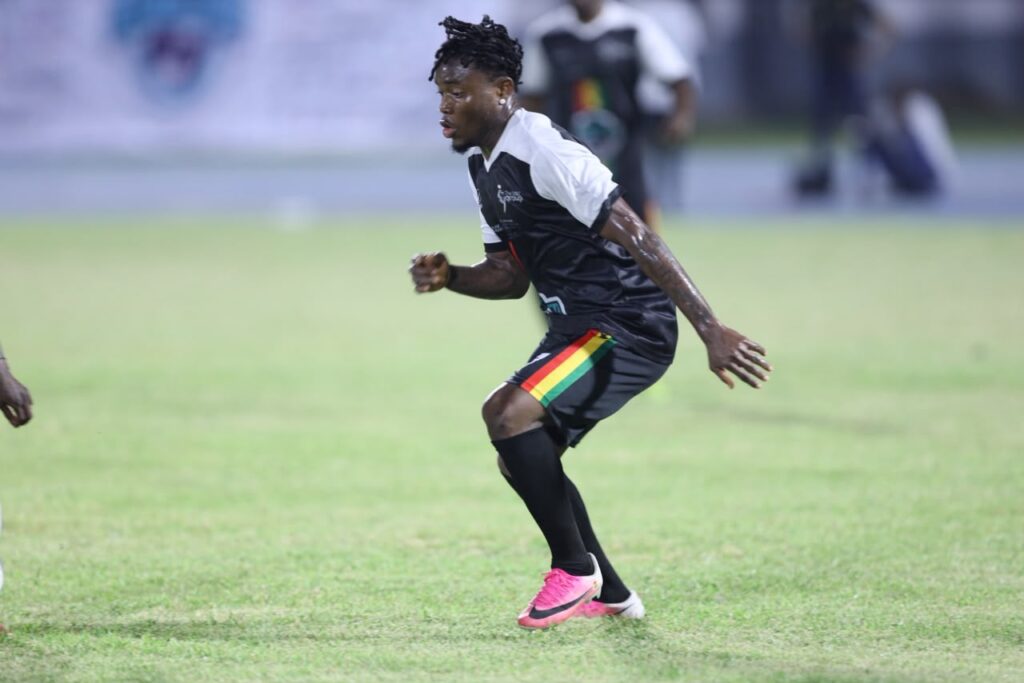
The fifth edition of the All Star Festival culminated in the annual All Star Game, where the Southern Stars defeated the Northern Stars 3-1 in an entertaining exhibition match that showcased some of Ghana’s finest football talents from both the domestic league and clubs abroad.

The festival brought together several current and former Black Stars players alongside outstanding performers from the Ghana Premier League. The Northern Stars comprised players originating from the northern part of Ghana, while the Southern Stars featured players from the southern regions of the country.
Notable players for the Northern Stars included Amedspor forward Felix Afena-Gyan, Leicester City winger Abdul Fatawu Issahaku, Majeed Waris, Medeama striker Prince Owusu, former Liberty Professionals captain Samuel Sarfo and former Asante Kotoko goalkeeper Danlad Ibrahim.
The Southern Stars featured Hearts of Oak goalkeeper Solomon Agbasi, FIFA U-20 World Cup winner Daniel Adjei, Jonathan Sowah and Maxwell Baako, among others.
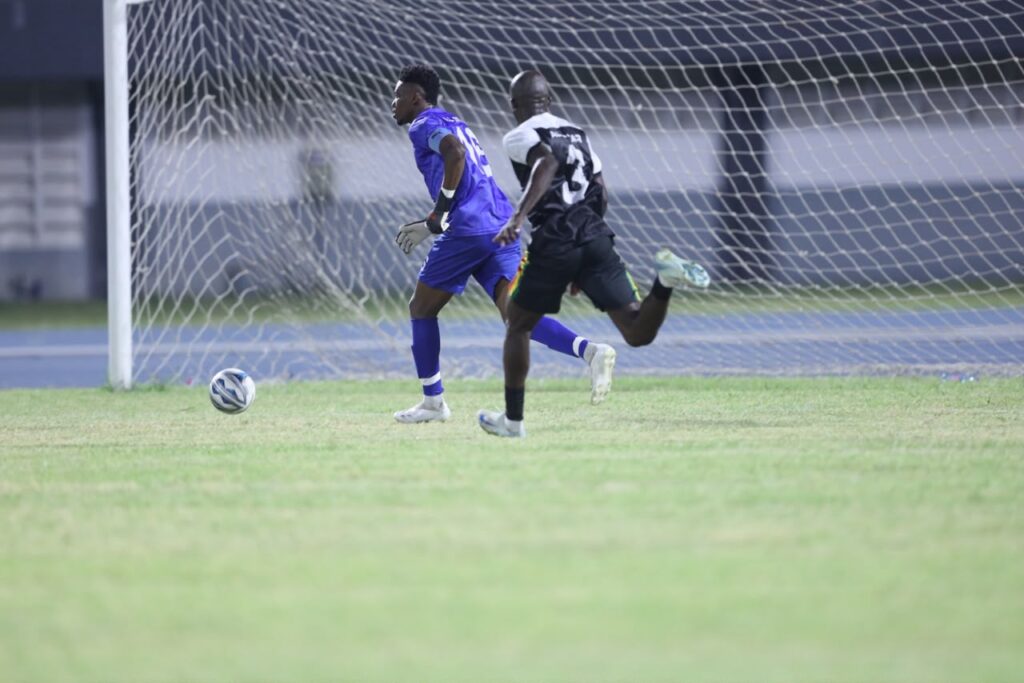
Jonathan Sowah was the star of the match, scoring twice for the Southern Stars. After his opening goal was cancelled out by Prince Owusu for the Northern Stars, Sowah sealed the win after Maxwell Baako had restored their lead to convincingly carry the day with a 3-1 victory.
As the All Star Festival continues to blend football with business and development-focused engagements, organisers hope the ideas generated through the Sports Business Series will inspire policy reforms and encourage greater collaboration between government, the private sector and sporting institutions.
Many stakeholders believe that repositioning sports as a business rather than a political enterprise could unlock significant economic opportunities, revive interest in the domestic game, improve the competitiveness of local clubs and national teams, and ultimately transform the sector into a major contributor to Ghana’s national development.
READ ALSO: Failed Leadership Behind Ghana’s Recurring Flood Crisis – Archbishop Duncan-Williams