Minerals Commission (MinCom) of Ghana has launched a series of revised procurement mandates and strict regulatory reforms designed to fundamentally reshape the nation’s mining sector by prioritizing domestic capacity and local ownership.
This comprehensive strategy seeks to ensure that the wealth generated from natural resources is retained within the country, transitioning the mining industry from an extractive enclave into a powerful driver of national industrialization.
By targeting both systemic supply chain issues and institutional development, the state intends to leverage its vast mineral wealth to cultivate sustainable local economic structures and promote resource sovereignty.
” Beyond infrastructure, Ghana’s roadmap emphasizes human capital development and structural reforms. Mandatory local content regulations are fostering partnerships between mining operators and academic institutions such as the University of Mines and Technology (UMaT), building technical expertise while enforcing expatriate caps to accelerate knowledge transfer.”
Minerals Commission (MinCom) of Ghana
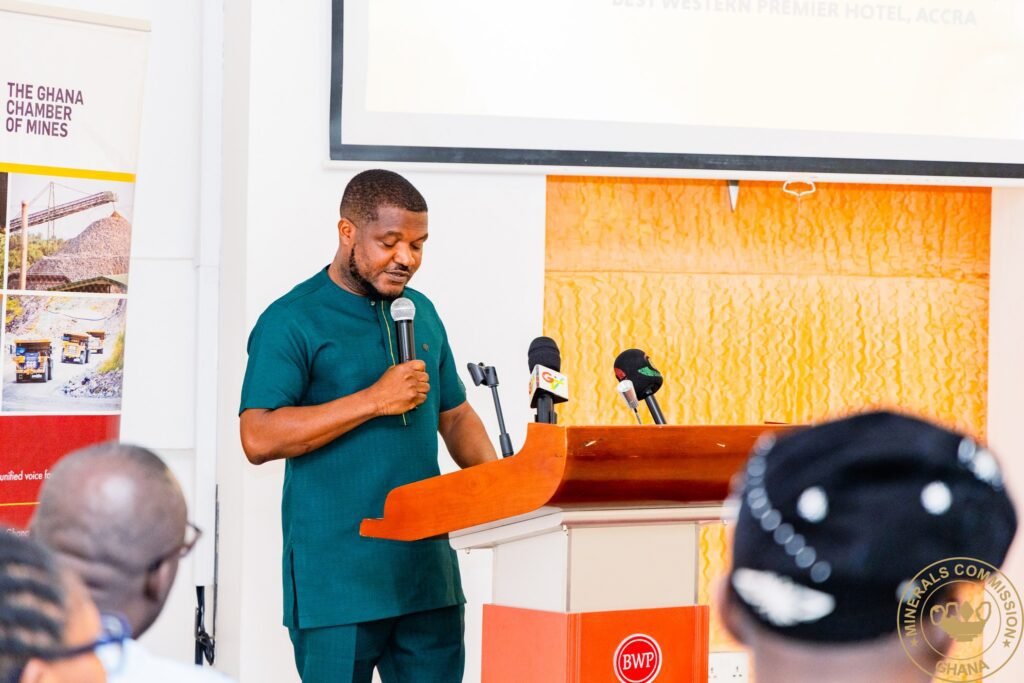
The Commission’s updated regulatory roadmap targets structural transformations that directly link foreign mining operations with local businesses and academic institutions.
Through a series of sweeping legal enforcements, MinCom is strictly reserving key supply chain and service contracts for indigenous firms, while simultaneously putting limits on the employment of foreign professionals to ensure knowledge transfer occurs rapidly.
Additionally, the regulatory framework introduces formalized programs aimed at registering and cleaning up the artisanal mining sector, converting what was once an environmentally damaging informal economy into a compliant, tax-paying contributor to the formal national banking system.
Retaining Wealth through Domestic Supply Chains
In a bold move to maximize local economic value, MinCom is enforcing revised procurement mandates that reserve critical supply chain services exclusively for 100% Ghanaian-owned enterprises.
By taking this protectionist stance on critical logistics, catering, transport, and secondary engineering services, the state is actively closing loopholes that previously allowed mining profits to flow offshore.
“This ensures that industrial gains translate directly into domestic economic empowerment,” guaranteeing that small and medium-sized Ghanaian businesses become the primary beneficiaries of big-budget mining operations.
In terms of real-world impact, this supply chain shift will likely trigger a massive investment wave in local manufacturing and service delivery.
When multinational mining operators are legally obligated to source services locally, it builds a reliable, high-volume market for Ghanaian entrepreneurs.
Over time, these local enterprises can scale up their operations, build technical expertise, and eventually export their services across the African continent, successfully positioning Ghana as a regional hub for mining support services.
Elevating Human Capital and Academic Integration
Beyond physical infrastructure and procurement, Ghana’s roadmap emphasizes human capital development and structural reforms as the core pillars of its national strategy.
To build a highly skilled workforce capable of managing sophisticated operations, “mandatory local content regulations are fostering partnerships between mining operators and academic institutions” like the University of Mines and Technology (UMaT).
This direct bridge between classrooms and mine sites guarantees that academic curricula align with modern industrial needs, giving students hands-on technical training and practical experience.

Furthermore, the government is enforcing strict expatriate caps to accelerate knowledge transfer. By limiting the number of foreign experts allowed to work on-site, multinational companies must actively train and promote Ghanaian engineers, geologists, and managers to fill senior roles.
This strategy transforms the local workforce from basic laborers into highly specialized technical experts, ensuring that the country possesses the intellectual and practical capacity to run its mining sector independently in the future.
Formalization and Environmental Sustainability
To protect the environment and safeguard state revenues, the government is tackling environmental degradation and revenue leakages by formalizing artisanal and small-scale mining.
A core element of this effort is the Responsible Cooperative Mining and Skills Development Programme (rCOMSDEP). By bringing small-scale miners into regulated cooperatives, the state is able to monitor operations, provide structured training, and enforce safety standards that protect rural communities from ecological harm.

Central to rCOMSDEP’s environmental goals is the deployment of mercury-free extraction techniques, which will significantly reduce the toxic pollution that currently threatens Ghana’s rivers and arable land.
Furthermore, “by aligning operations with the Anti-Money Laundering Act of 2020, Ghana is channeling informal wealth into the formal banking sector.”
This structural shift prevents gold smuggling and illicit financial flows, ensuring that small-scale mining wealth is documented, taxed, and reinvested into local communities to secure a sustainable and inclusive future.
READ ALSO: Ghana Banks Must Reinvent or Risk Profit Collapse