Ghana has launched a decisive strategy to transform its mineral resource management, transitioning from a historical model of raw ore extraction into a fully integrated, high-value industrial economy.
Unveiled at the 9th Mining on Top Africa Summit, the nation’s newly introduced Green Minerals Roadmap marks a watershed moment under the theme “Value Beyond Extraction – Industrialisation, Value Addition & Long-Term National Benefit“.
The initiative represents a proactive policy push to retain resource wealth domestically while positioning the West African nation as a highly competitive player in the global green energy transition.
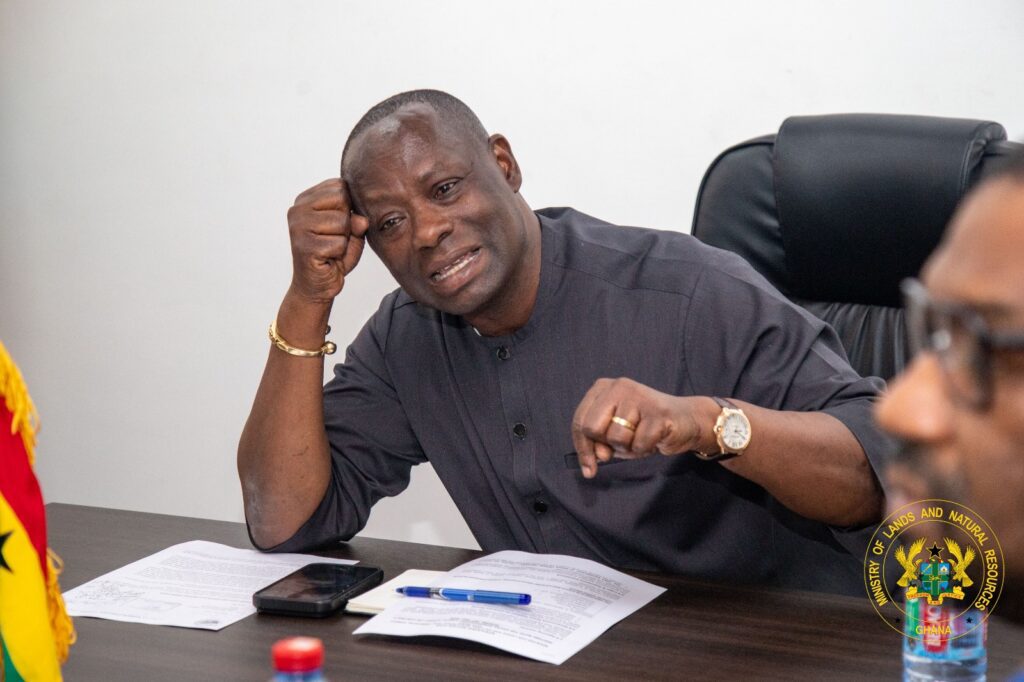
“The transition to an integrated industrial economy hinges on our strategic theme of value beyond extraction. By phasing out the export of unprocessed ores, Ghana is laying the groundwork for domestic processing, refining, and manufacturing. This represents a critical shift toward securing our long-term resource sovereignty and national benefit.”
Minerals Commission,
This ambitious structural shift will be enforced through a strict regulatory timeline, highlighted by a direct policy mandate to phase out all exports of raw, unprocessed ores including lithium, bauxite, manganese, and gold by the year 2030.
To ensure robust enforcement and operational success, the directive is heavily supported by key sovereign entities such as the Minerals Income Investment Fund (MIIF).
Under the new framework, all active mining companies operating within the country will be legally required to construct local processing and refining plants, a move designed to secure sovereign value retention, safeguard local supply chains, and build domestic industrial capacity.
The Green Minerals Policy and the EV Revolution
At the core of this industrial paradigm is the Green Minerals Policy Framework, which strategically marries Ghana’s rich lithium deposits with downstream energy infrastructure and manufacturing.
Instead of allowing foreign developers to ship raw lithium concentrate overseas, the policy strictly restricts raw exports to incentivize the local manufacturing of lithium-ion batteries and Electric Vehicles (EVs).
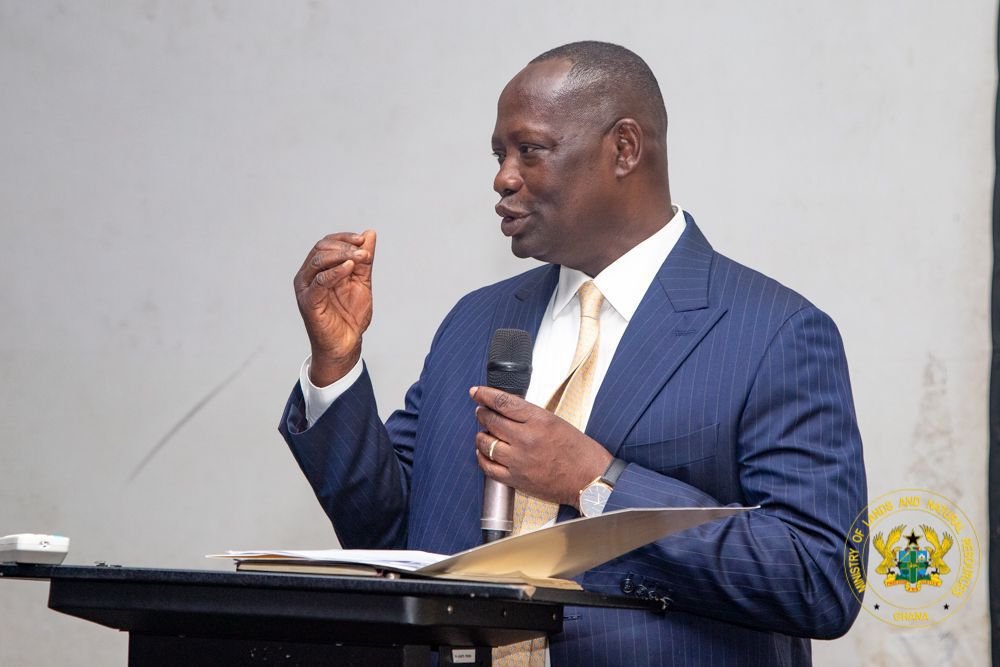
Speaking on behalf of Mr. Isaac Tandoh, Chief Executive Officer of the Minerals Commission, Dr. Theophilus Kekeli Agbenyezi, Senior Monitoring and Evaluation Officer, emphasized that “the future of global transportation relies on green tech, and Ghana intends to be the manufacturing heart of that shift.”
By retaining lithium value midstream, the state aims to attract major global automotive giants to establish local assembly lines, transforming the West African transport sector and establishing a robust supply chain that feeds directly into the African Continental Free Trade Area (AfCFTA) market structure.
GIADEC and the Integrated Aluminium Agenda
Simultaneously, the Ghana Integrated Aluminium Development Corporation (GIADEC) is spearheading massive, capital-intensive infrastructural developments designed to fully exploit and refine the nation’s estimated 960 million metric tons of commercial bauxite reserves.
Historically, Ghana has exported raw bauxite while heavily importing refined alumina for its local smelters—an economically inefficient and unsustainable cycle that the new roadmap seeks to eliminate forever.

“By building local refineries, we close the loop from the mine to the fully manufactured product,” stated industrial analysts tracking GIADEC’s operational progress in the region.
By processing raw bauxite into high-grade alumina locally, GIADEC plans to supply processed aluminium directly to the domestic automotive manufacturing sector, thereby drastically reducing import dependency and strengthening the local currency’s purchasing power on the international market, ensuring a resilient trade balance.
The Economic Imperative for Domestic Value Addition
The critical need to redefine Ghana’s mining future is underscored by decades of lost economic potential resulting from raw commodity exporting.
Traditional mining operations have historically left African nations highly vulnerable to volatile global commodity price shocks while exporting high-paying processing and manufacturing jobs to foreign countries. Economists argue that raw mineral export typically captures less than ten percent of a mineral’s total life-cycle value.

By shifting to localized smelting, refining, and assembly, Ghana can capture up to five times more revenue per ton of mineral extracted, while creating thousands of skilled engineering and technical jobs for its youthful population.
This transition is no longer just a policy preference, but a vital economic shield against the historical ‘resource curse’, ensuring that the nation’s finite geological wealth translates into permanent, intergenerational national prosperity and sustainable energy independence, establishing a proud legacy for future generations.
READ ALSO: Ghana’s Petroleum Hub Signs MoU with Qatari Investor