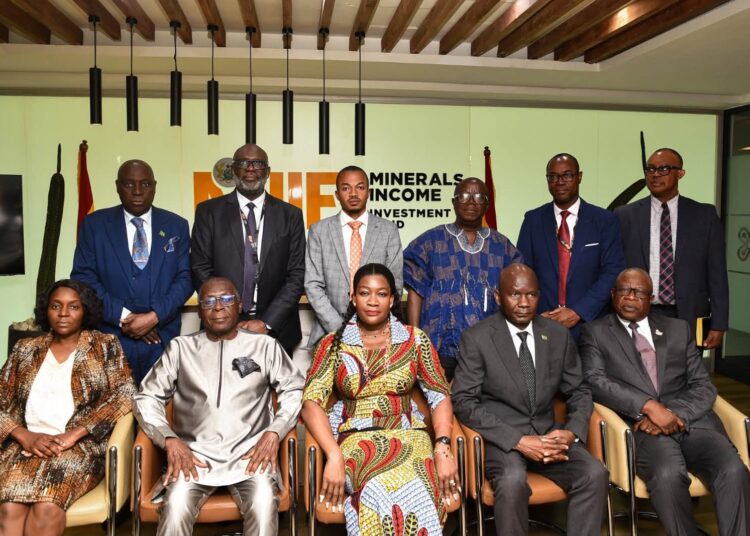
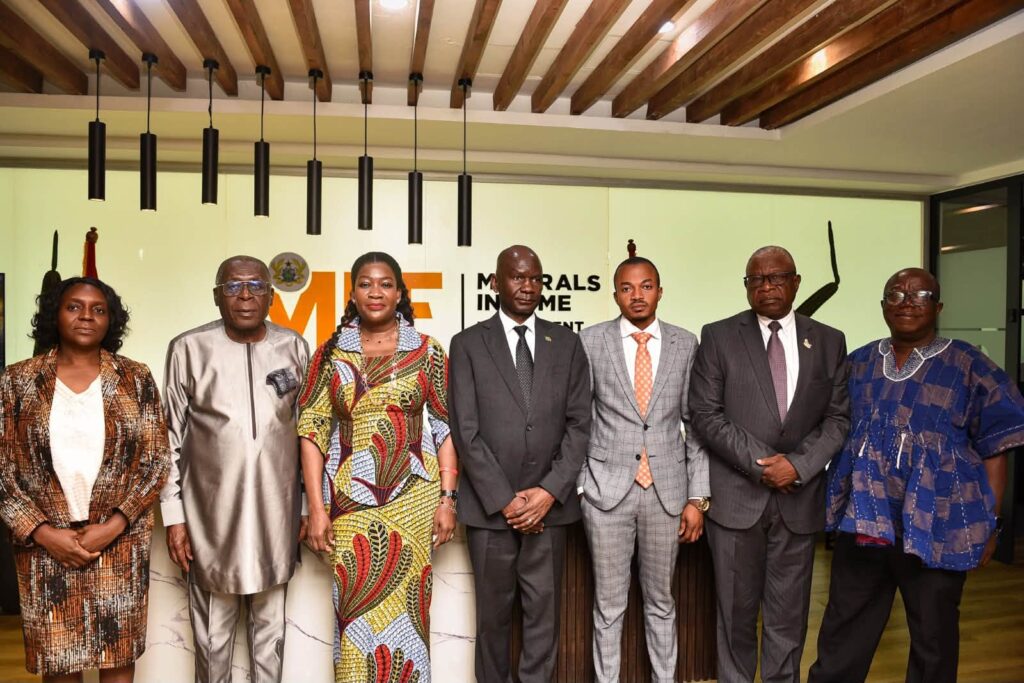
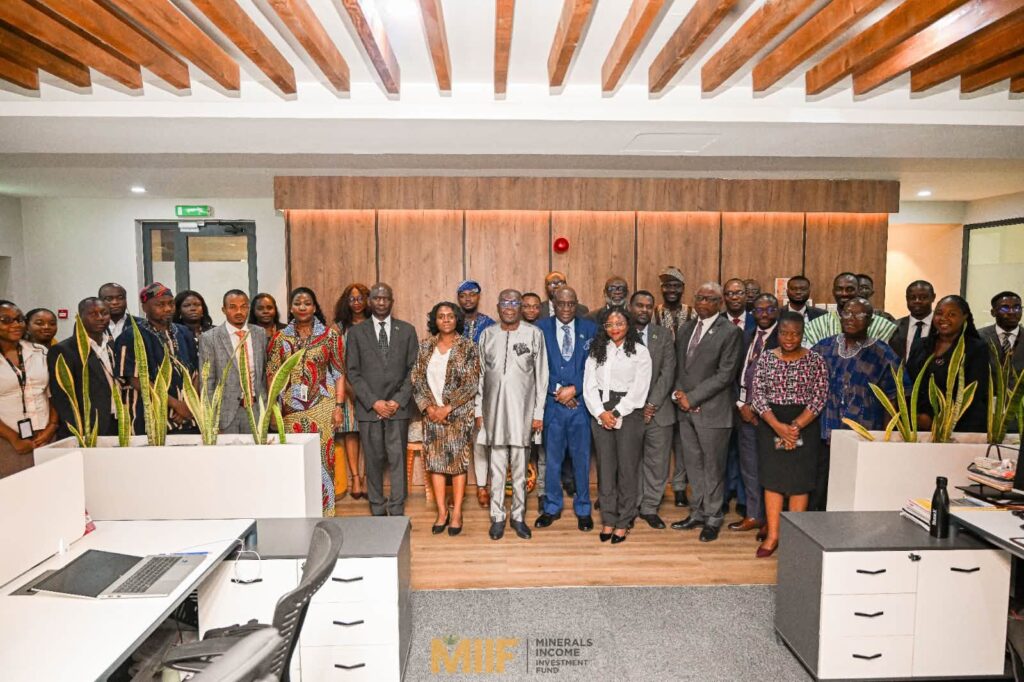
The Minerals Income Investment Fund (MIIF) has welcomed a 12-member high-level delegation from the Government of Zambia as part of an institutional study visit aimed at extracting key lessons from Ghana’s successful management of mineral wealth.
Designed as a strategic bilateral exchange, this landmark engagement centers on studying how Ghana successfully operates its specialized sovereign minerals investment fund to optimize resource revenues.
The visit directly establishes a collaborative learning bridge between Accra and Lusaka, providing the southern African nation with first-hand insights into maximizing the developmental impact of its vast, natural mineral endowment through structured financial frameworks.
“Welcoming the delegation, MIIF Board Chairman, Mr. Richard Kwame Asante, described the visit as a testament to the growing cooperation between Ghana and Zambia, noting both countries’ shared commitment to leveraging mineral resources for industrialisation, economic transformation and sustainable development under the AfCFTA. Chief Executive Officer, Mrs. Justina Nelson, highlighted MIIF’s journey since becoming operational in 2020, outlining how the Fund invests Ghana’s mineral royalties to maximise long-term value while maintaining strong governance and transparency.”
Minerals Income Investment Fund (MIIF)
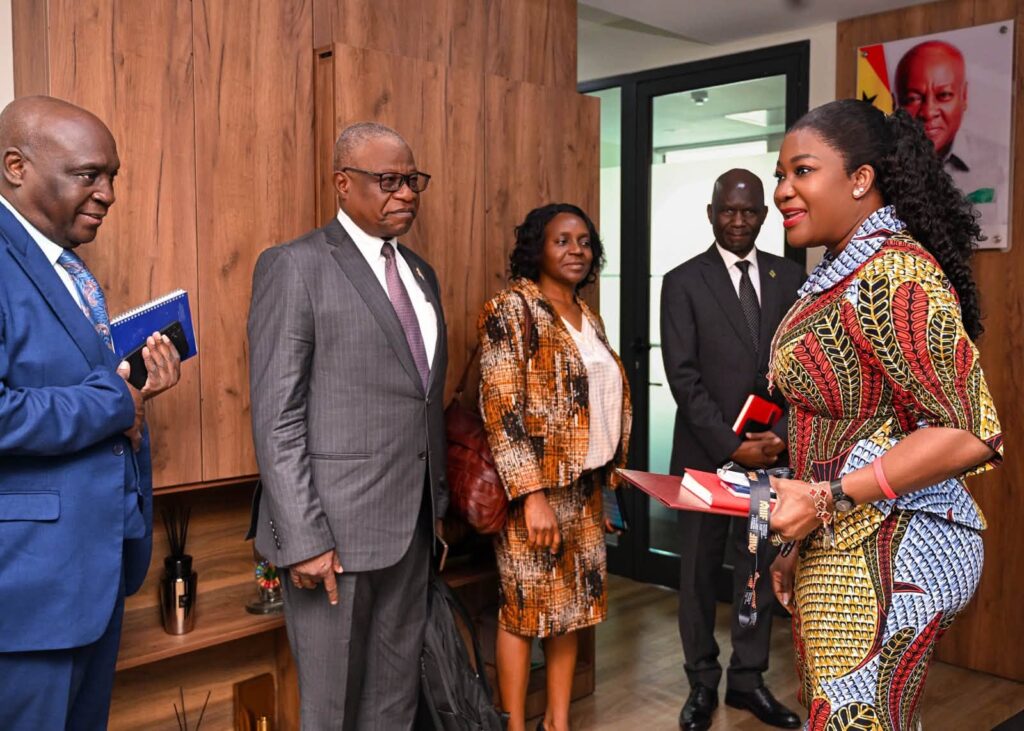
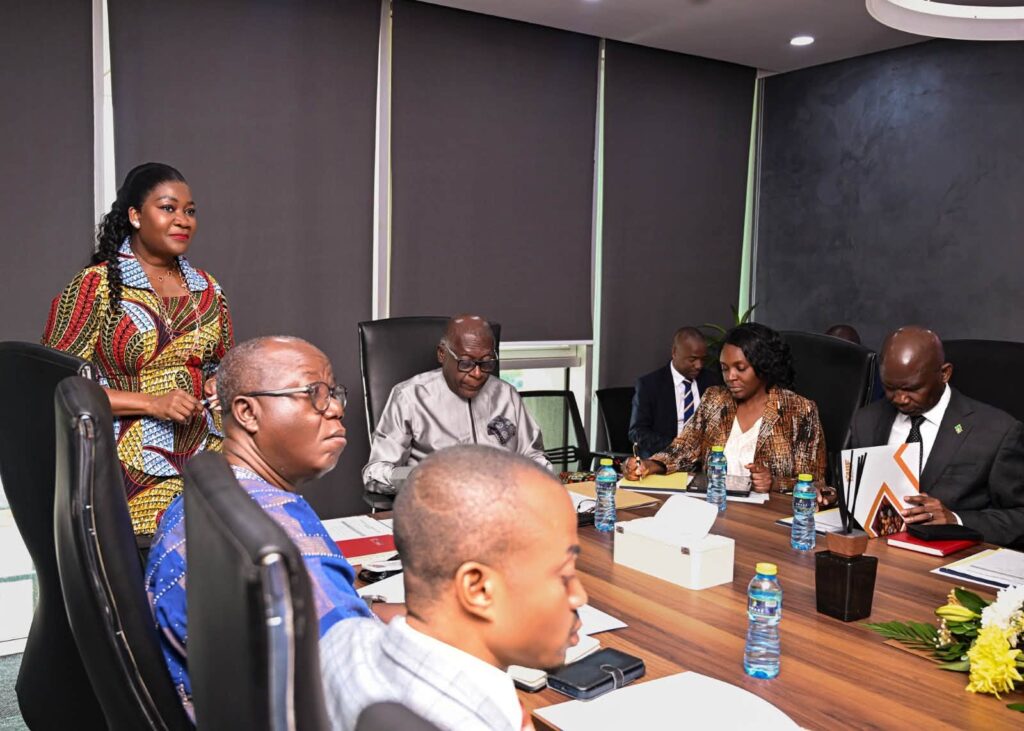
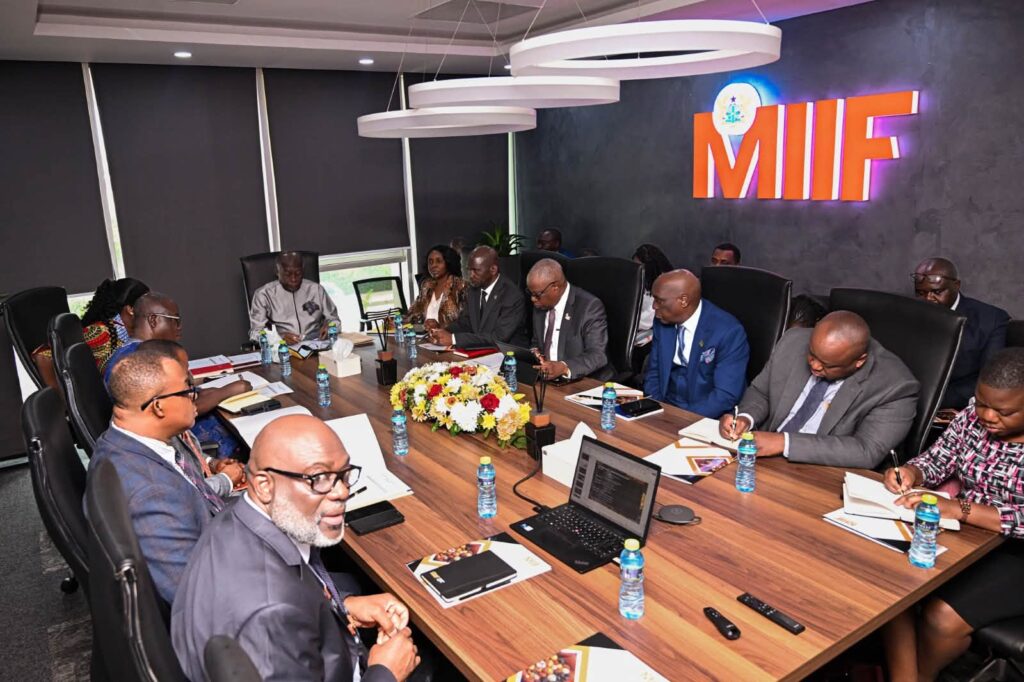
Led by Mrs. Mwaka Mukubesa, the Permanent Secretary in charge of Budget at Zambia’s Ministry of Finance and National Planning, the Zambian delegation engaged in intensive working sessions with the MIIF Board, management team, and technical experts.
Throughout the deliberate multi-day peer exchange, the visiting technical team deeply analyzed the operational underpinnings of the Ghanaian model, focusing specifically on MIIF’s institutional governance framework, innovative investment strategies, structured royalty mobilization systems, and resilient portfolio management.
The delegation sought to adapt Ghana’s statutory architectures to help reform Zambia’s sovereign wealth mechanisms, steering public resource earnings away from consumption toward strategic capital reinvestments.
Harmonizing Resource Sovereignty Under the AfCFTA framework
This strategic alliance holds massive promise for both nations as they seek to align their mining codes with modern resource nationalism.
For Zambia, Africa’s second-largest copper producer, the partnership offers a proven blueprint to transition from a pure tax-and-royalty collection regime to an equity-ownership and active investment model.
By closely mirroring Ghana’s MIIF strategy, Lusaka can systematically redirect a portion of its copper and emerald revenues to acquire strategic stakes in international and domestic mining value chains, thereby protecting national budgets from the historically volatile boom-and-bust commodity cycles.
For Ghana, this deepening relationship expands its geopolitical and financial influence as a pioneer of sovereign mineral wealth management on the continent.
Establishing institutional linkages with Zambia creates an aligned front of major African mining economies, enabling collaborative resource governance and strengthening negotiating leverage with multinational mining conglomerates.
Under the African Continental Free Trade Area (AfCFTA) framework, this partnership lays the groundwork for joint infrastructure financing and mutual investments in regional battery-metal supply chains, combining Ghana’s lithium discoveries with Zambia’s world-class copper and cobalt reserves.
Technical Innovation in Royalty Mobilization and Portfolio De-risking
A critical area of knowledge transfer during the bilateral discussions focused on Ghana’s highly digitalized, modern royalty mobilization systems.
The Mineral Income Investment Fund’s proprietary tracking methodologies have significantly reduced revenue leakages in the artisanal and small-scale gold mining sector, a template that Zambia is eager to adopt for its own expanding artisanal mining landscape.
Sharing these innovative digital auditing frameworks directly supports Zambia’s efforts to formalize informal mineral sectors, bringing marginalized revenues into the mainstream national accounting ledger.
Furthermore, the technical teams explored sophisticated de-risking mechanisms for sovereign mineral portfolios, analyzing how Ghana distributes capital across safe-haven domestic equities, offshore investments, and direct developmental projects.
The institutional capacity built through this partnership will enable both sovereign entities to transition to value-added processing, shifting away from raw ore exports.
Through structured collaboration, Ghana and Zambia are set to lead a continental paradigm shift, proving that African mineral wealth can be successfully converted into sustainable, intergenerational domestic prosperity.
READ ALSO: Court Dismisses AG’s Bid Challenging Hanan’s Medical Travel Approval