
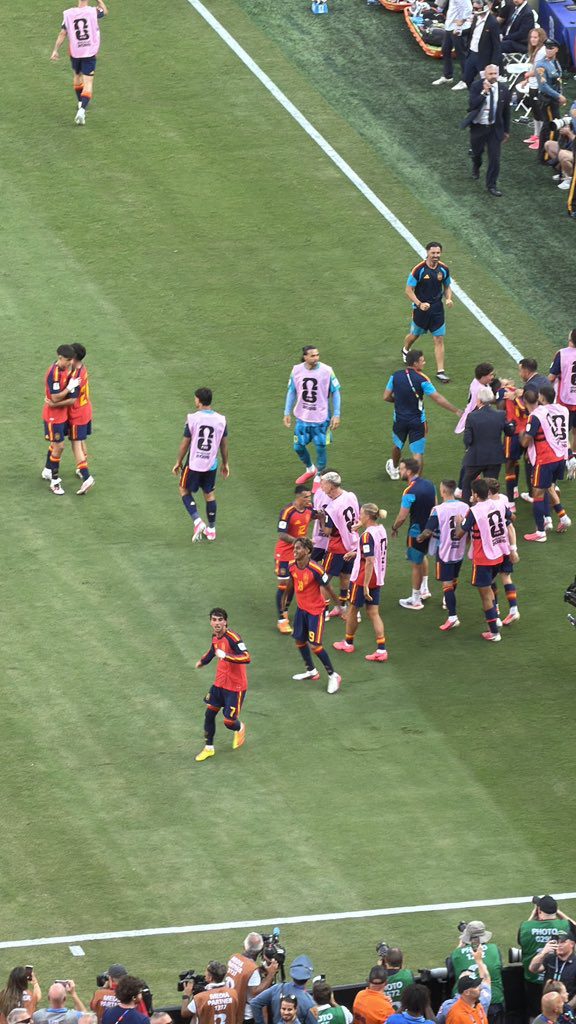
Spain are world champions for the second time in their history after defeating Argentina 1-0 following extra time in the 2026 FIFA World Cup final, with substitute Ferran Torres emerging as the hero on Sunday afternoon at the MetLife Stadium in New York, New Jersey.
Torres, who replaced Mikel Oyarzabal in the 60th minute, struck in the second half of extra time, reacting quickest after Nico Williams’ deft near-post flick fell kindly into his path. The forward bundled the ball home with a ferocious strike to finally break Argentina’s resistance and hand La Roja their second World Cup crown.
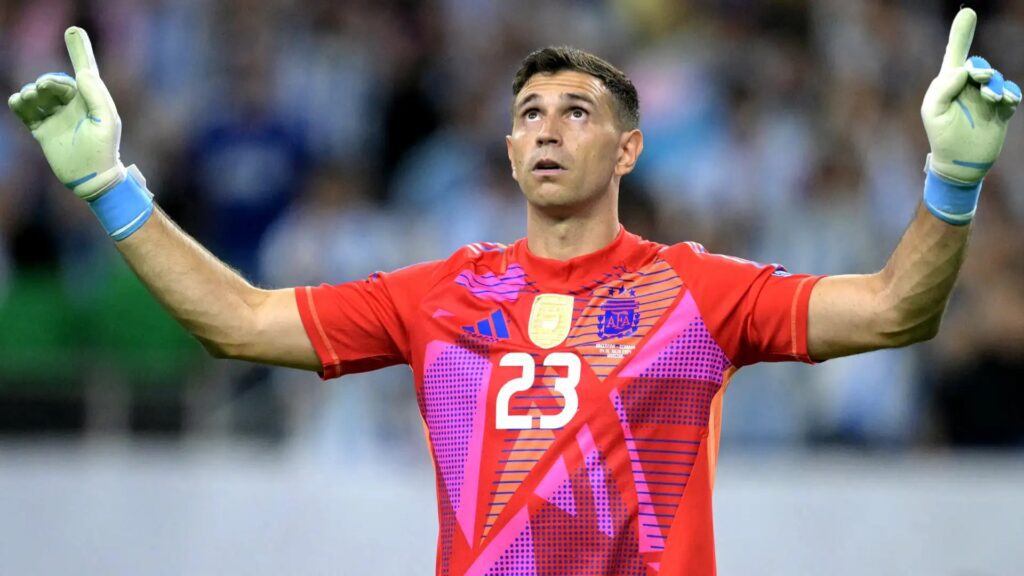
It was a victory that had long seemed inevitable. Spain dominated possession, dictated the tempo and created chance after chance throughout the contest, only to be repeatedly denied by an inspired Emiliano Martínez in the Argentine goal.
The Aston Villa goalkeeper delivered one of the finest performances of his international career, producing 11 saves to keep Lionel Scaloni’s side in the contest. His heroics frustrated Spain for more than 100 minutes and ensured the final remained goalless until the 106th minute mark.
Argentina’s task had already became difficult when Enzo Fernández was sent off during stoppage time at the end of normal time, reducing the 2022 champions to 10 men. Despite the numerical disadvantage, they continued to defend resolutely before eventually succumbing to Torres’ decisive strike.
Spain’s superiority was reflected in the statistics. Luis de la Fuente’s men restricted Argentina to just two shots throughout the 120 minutes, with La Albiceleste failing to register a single effort on target in a one-sided final.
Even more striking is their defensive record. La Roja conceded just a goal in 8 games at the Mundial in North America, keeping a staggering 7 clean sheets in the process.
Spain Repeat History With Another Extra-Time Triumph
The triumph carried striking similarities to Spain’s maiden World Cup success in South Africa 16 years earlier. In 2010, Andrés Iniesta’s extra-time winner secured a 1-0 victory over the Netherlands in Johannesburg, also after Spain had enjoyed a numerical advantage following John Heitinga’s dismissal.
History repeated itself at MetLife Stadium as Torres’ extra-time goal sealed another 1-0 triumph after Argentina had been reduced to 10 men.
Spain’s patient, possession-based football eventually wore down the South American champions, who struggled to cope with La Roja’s relentless pressure for much of the afternoon.

The victory also crowned an impressive tournament for Spain, who consistently demonstrated their quality from the group stage through to the knockout rounds before lifting football’s biggest prize for the second time.
Martínez Stands Tall Despite Argentina Defeat
Although Argentina fell short in their bid to retain the title, Martínez produced a goalkeeping display that will be remembered for years. Time and again he denied Spain with outstanding reflex saves, preventing the European side from taking control on the scoreboard much earlier.
However, even the Argentine goalkeeper could not prevent Spain’s sustained dominance from eventually producing a breakthrough. Once Fernández was dismissed, Argentina found themselves pinned deeper into their own half, with Torres finally converting the chance that settled the contest.
The defeat also brought the curtain down on Lionel Messi’s remarkable World Cup journey. The Argentine captain became the first player in history to start three FIFA World Cup finals, having previously started in the championship deciding matches of 2014, 2022 and 2026.
The final was only the second World Cup meeting between Spain and Argentina. Their previous encounter came 60 years ago at the 1966 tournament, when Argentina claimed a 2-1 victory during the group stage.
Mbappé Claims Golden Boot as Rodri Wins Golden Ball
While Spain celebrated team success, several individual awards highlighted the conclusion of the tournament.
France captain Kylian Mbappé secured the Adidas Golden Boot after finishing with 10 goals despite failing to reach the final.
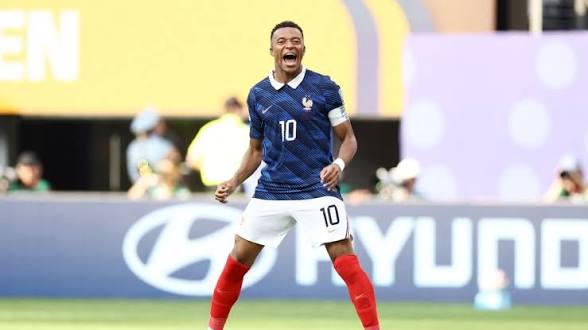
The French superstar retained the award he won four years earlier and further cemented his place in World Cup history by becoming the competition’s all-time leading scorer with 22 goals in 22 appearances.
Spain midfielder Rodri was named the tournament’s best player, receiving the Golden Ball after playing a pivotal role in his country’s successful campaign. Messi was awarded the Silver Ball, while Mbappé collected the Bronze Ball as the third-best performer of the tournament.

For Messi, the evening ended in disappointment as his final World Cup appearance concluded without another title. Instead, it was Spain’s new generation, led by stars such as Lamine Yamal and match-winner Ferran Torres, who celebrated on football’s biggest stage as La Roja reclaimed the FIFA World Cup for the first time since their historic triumph in 2010.
READ ALSO: Bawumia Urges President Mahama Not to Sign Tribunals Bill