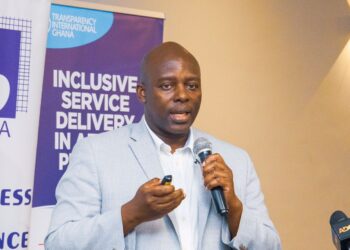
clinical psychologist and mental health specialist has called for stronger referral systems and dedicated clinics to manage Polycystic Ovary Syndrome (PCOS) in Ghana, warning that widespread underdiagnosis is leaving many women to battle the condition’s effects without proper care.
Speaking during discussion on the “Woman’s Voice” programme themed “Polycystic Ovary Syndrome: Why Early Diagnosis Matters,” Dr. Eugene Tornyevah, a Clinical Psychologist and Mental Health Specialist at the Keta Akatsi Catholic Health Directorate, said the complexity of the condition means many patients are being misdiagnosed or inadequately managed within the country’s health system.
Dr. Tornyevah explained that the medical community has begun moving away from the traditional name of the disorder, adopting the term Polyendocrine Metabolic Ovarian Syndrome to better capture its full scope.
There is a lot of metabolic imbalances,” he said, stressing that the condition involves far more than the reproductive organs alone.
He described PCOS as a chronic condition tied to insulin resistance, with effects that ripple across a woman’s hormonal, metabolic and reproductive systems. Left unchecked, he said, these imbalances can contribute to type 2 diabetes, obesity and fertility complications, making early detection critical to limiting long-term damage.

Gaps in the Referral System Flagged
A recurring theme in Dr. Tornyevah’s submission was the shortage of specialists equipped to properly handle PCOS cases. He acknowledged that while medical training exposes doctors to a wide range of conditions, most eventually narrow their focus to a particular specialty, leaving general practitioners underprepared to manage complex hormonal disorders.
He advised that patients presenting with symptoms consistent with PCOS be referred promptly to specialists such as obstetrician-gynecologists, who are better positioned to explain the condition and design an appropriate treatment plan.
“If you met a specialist, an obstetrician gynecologist, it’s easier for them to be able to explain better to you.”
Dr. Eugene Tornyevah,
He further noted that the country lacks enough dedicated clinics to handle cases of this nature, a gap he linked partly to insufficient research and continuing education among general practitioners managing the condition.
No Cure, But Symptoms Can Be Managed
On treatment options, Dr. Tornyevah was direct in stating that no medication currently exists to cure or fully manage PCOS. Instead, he explained, care is delivered symptomatically, with doctors addressing whatever complication is most pressing at a given time.
He cited the use of tranexamic acid as an example, noting that the drug is administered specifically to control heavy menstrual bleeding rather than to treat the underlying disorder. Beyond medication, he pointed to a combination of treatment and lifestyle adjustment as the most realistic path to managing the condition long-term.
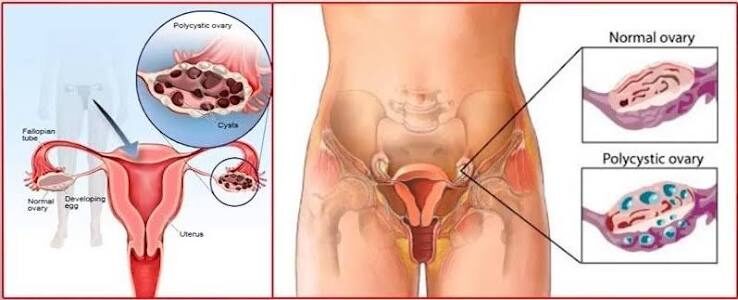
He also addressed the fertility implications of the condition, explaining that irregular ovulation is often at the root of conception difficulties experienced by women living with PCOS. For those affected, he pointed to specialist fertility clinics as a resource capable of helping patients prepare for and manage reproduction where needed.
On diet, he cautioned that triggers vary significantly from patient to patient, with some foods worsening symptoms or provoking adverse reactions in certain individuals while having no effect on others. He said this variability underscores the need for individualised care rather than a one-size-fits-all approach to managing the disorder.
A Call for Policy Action
Beyond clinical management, Dr. Tornyevah used the platform to press for systemic change. He argued that public awareness campaigns must be matched by institutional investment, calling on health authorities and policymakers to prioritise the establishment of specialist clinics dedicated to the condition.
He named the Ghana Health Service and the Ministry of Health as key institutions with a role to play, arguing that government backing is necessary to translate growing public awareness into tangible improvements in patient care.
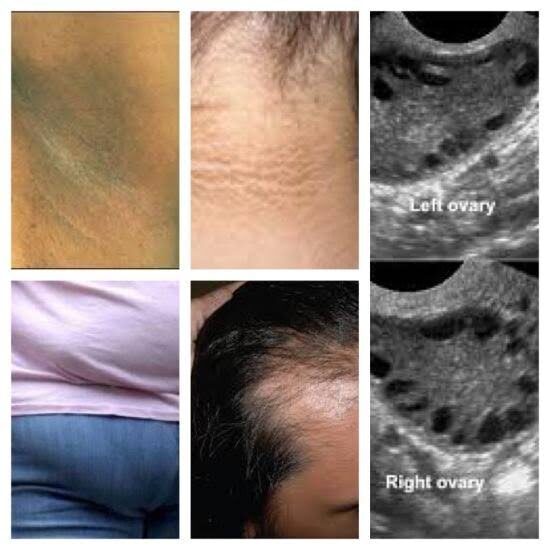
His submission reflects a broader push to reposition PCOS from a poorly understood and often stigmatised condition into one recognised as a serious, manageable public health issue, provided it is caught early and handled by the right specialists. The disorder remains one of the leading causes of irregular menstrual periods and infertility among women, with symptoms frequently appearing years before a formal diagnosis is made.
For Dr. Tornyevah, the message is clear, without earlier detection, stronger referral pathways and dedicated clinical infrastructure, many women will continue to face the disorder without understanding what is happening to their bodies, or where to turn for help.
READ MORE: GMTF, Ho Hospital Chart Path for Chronic Disease Care