Human Rights Watch has renewed concerns over Nigeria’s ongoing prosecution of suspected Boko Haram members, arguing that the country’s terrorism trials continue to fall short of international justice standards by focusing largely on low-level suspects, relying heavily on guilty pleas, and failing to adequately investigate those most responsible for atrocities committed during the country’s long-running insurgency.
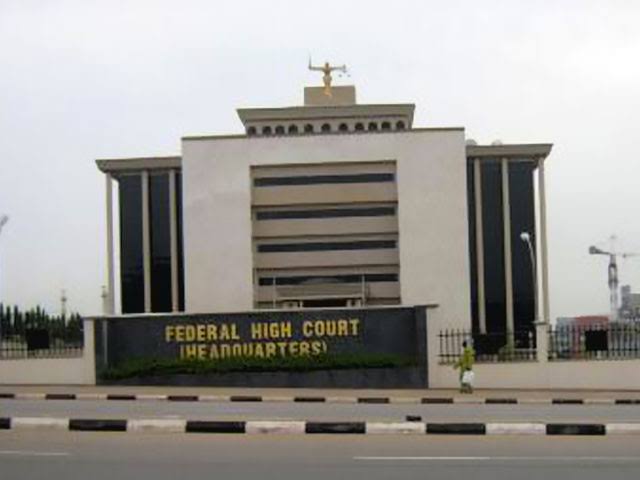
According to Human Rights Watch, the ninth phase of the terrorism trials commenced on April 8, involving more than 500 defendants, while a tenth phase began on June 15 with approximately 600 additional defendants appearing before the Federal High Court in Abuja. Proceedings were conducted simultaneously before ten judges, with the majority of cases involving alleged links to Boko Haram and its breakaway faction, the Islamic State West Africa Province (ISWAP).
According to Anietie Ewang, a Human Rights Watch researcher in Nigeria, “prosecutions should target higher level offenders and meet fair trial standards to ensure accountability for atrocities by both sides.”
“Nigerian authorities should hold those responsible for atrocities by Boko Haram and security forces to account, but they repeatedly prosecute people with tenuous connections to the most serious crimes in trials that don’t deliver justice.”
Anietie Ewang
The Nigerian government, however, defended its prosecutorial approach, stating that the goal is to achieve a balance between combating terrorism and defending constitutional rights.
The Director of Public Prosecutions stated in a written statement that Human Rights Watch quoted that Nigeria’s strategy aims to strike a balance between the necessity of combating terrorism and the requirement to “preserve the constitutional rights of every person before the courts.”
The government went on to clarify that as part of “an internationally recognised strategy for disrupting and dismantling terrorist organisations,” prosecutors intentionally target networks that support terrorist organisations, including financing, logistics, recruitment, and material assistance.
The Legal Aid Council of Nigeria also acknowledged concerns over some of the judgments delivered during the ninth phase of the trials, saying it had appealed several convictions and sentences it considered unsatisfactory.
Human Rights Watch cited media reports stating that judges found 386 defendants guilty on terrorism-related crimes during the April trials and sentenced them to life in prison to five years. After prosecutors determined that pursuing the charges would not further the interests of justice, eight suspects were released, while two others were found not guilty. Over 100 cases were postponed for additional hearings.
More than ten years after Boko Haram’s insurgency turned into one of Africa’s bloodiest security crises, Human Rights Watch said the June proceedings included hundreds more defendants, highlighting the scope of Nigeria’s efforts to pursue terrorism-related charges.
The renewed criticism comes only months after the International Criminal Court (ICC) strengthened cooperation with Nigeria through a Memorandum of Understanding signed in March, recognising Nigeria’s primary responsibility to investigate and prosecute alleged serious international crimes domestically while offering technical support to strengthen those efforts.
The ICC’s Office of the Prosecutor had previously concluded there was a reasonable basis to believe that members of Boko Haram, affiliated groups and Nigerian security forces committed war crimes and crimes against humanity during the conflict, although it stopped short of opening a formal investigation.
Human Rights Watch argues that the current proceedings have yet to demonstrate Nigeria’s willingness to close that accountability gap.
Rights Group Questions Evidence, Guilty Pleas and Broad Terrorism Charges
A central concern raised by Human Rights Watch is the apparent reliance on guilty pleas rather than evidence tested through open court proceedings.
The organization revealed that prosecutors in the cases it observed generally did not call witnesses or present forensic, documentary or electronic evidence to substantiate allegations. Instead, convictions were frequently based on defendants’ confessional statements, investigation reports and guilty pleas.
According to Human Rights Watch, when defendants pleaded not guilty, prosecutors often withdrew the contested charges instead of attempting to prove them before the court.
The organization stated that this pattern raises significant questions about whether sufficient evidence existed to justify many of the prosecutions.
Particular concern was expressed over prosecutions involving offences related to “material support” under Nigeria’s Terrorism (Prevention) Act.
Human Rights Watch highlighted that the law’s broad provisions risk criminalising civilians who may have acted under coercion while living in areas controlled by Boko Haram or ISWAP.
Among the allegations brought before the courts were supplying food, fuel, firewood, agricultural products, livestock, transportation services and other forms of assistance to armed groups.
The rights organisation argued that many of these activities may have been undertaken under threats to life or as survival strategies rather than voluntary support for terrorism.
In a number of cases that Human Rights Watch examined, defendants and their solicitors informed the courts that they were unable to report Boko Haram operations because security personnel were not present in their areas, or that they feared danger to themselves or their families.
Human Rights Watch stated that comparable mitigating reasons resulted in disparate outcomes across different cases, despite the fact that courts occasionally took these situations into account while sentencing.
The organization also pointed out that a large number of defendants had spent years in pretrial detention; some had been incarcerated since 2016 before their cases were ultimately heard.
According to Anietie Ewang, “more than eight years after these trials began, recent proceedings continue to reflect substantive and procedural failures.”
“If the Nigerian authorities are serious about delivering real justice, they should address these shortcomings, prioritize credible investigations into serious international crimes, and produce robust evidence that can withstand judicial review in fair and credible trials.”
Anietie Ewang
Human Rights Watch warned that in the lack of adequate legal protection, those acting under duress may face severe criminal consequences as a result of the Terrorism (Prevention) Act of 2023’s removal of legal protections.
It also called on Nigerian authorities to amend the law in order to strengthen protections for those compelled to assist armed groups under duress, ensure that prosecutions are supported by adequate and trustworthy evidence that can withstand judicial scrutiny, and restrict the definition of material support offences.
READ ALSO: Universal Sets Summer 2027 Release for Snoop Dogg Biopic ‘Snoop’