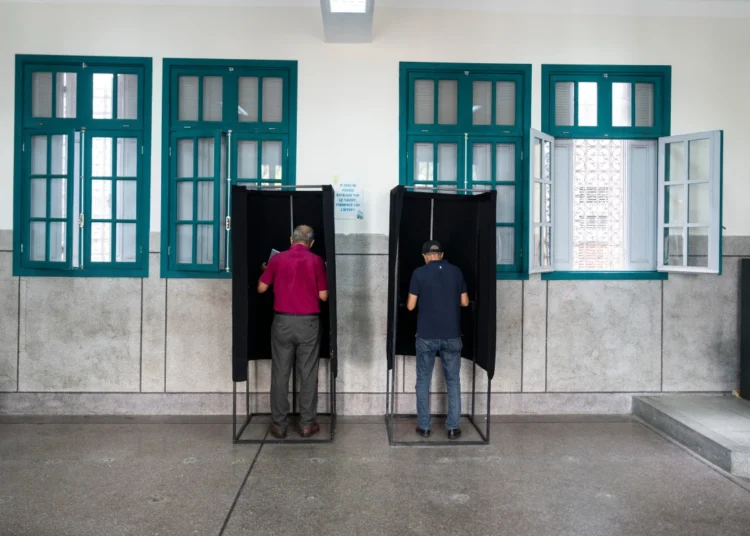
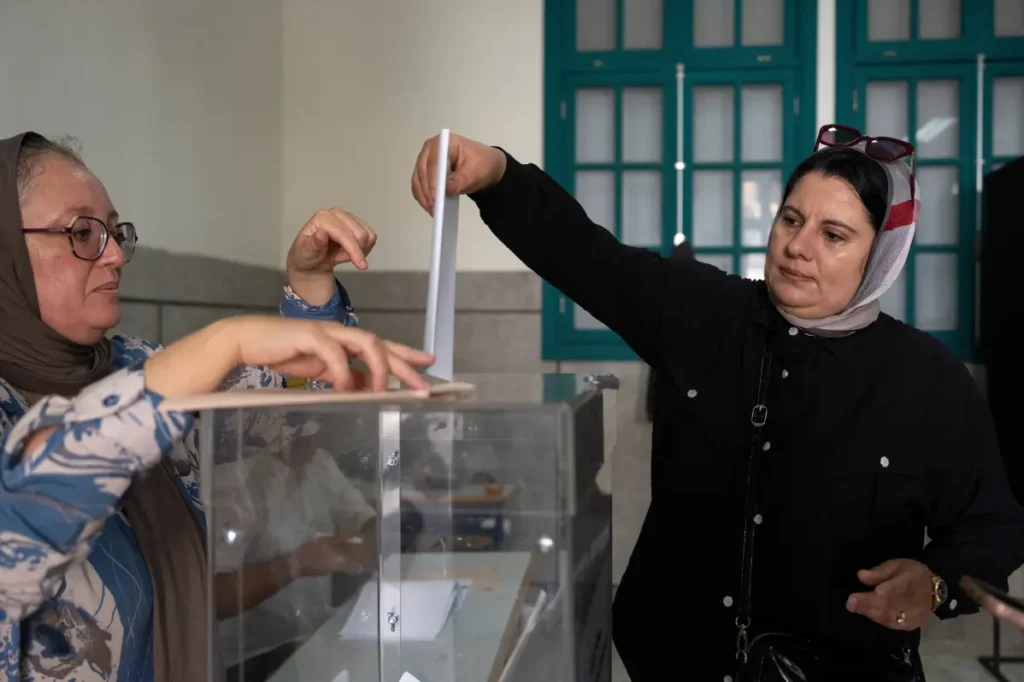
Moroccans went to the polls today, Wednesday, September 23, 2026, to elect a new parliament in a vote shaped by growing frustration among young people over unemployment, public services and the cost of living despite the country’s expanding economy.
Voting centres across the North African kingdom opened at 8 a.m. and were scheduled to close at 7 p.m. local time, with nearly 16 million registered voters eligible to cast ballots for the 395-seat House of Representatives.
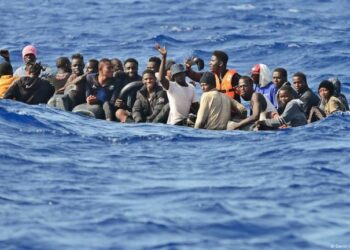
The election is the first since deadly youth-led protests nearly a year ago and a mass attempt by migrants to cross Morocco’s northern border into the Spanish territory of Ceuta, an incident that left dozens dead.
The outcome will determine the composition of the next government and the country’s next prime minister, although political power remains alongside a monarchy that retains broad authority over strategic national affairs. Results are expected tomorrow.
The next government will be responsible for overseeing billions of dollars in investment as Morocco prepares to co-host the 2030 FIFA World Cup, leading some observers to describe the incoming administration as the “World Cup government.”
Beyond preparations for the tournament, however, the new political leadership will face pressure to address concerns affecting many Moroccans, including employment, wages, housing, healthcare and education.
For young people in particular, the election has highlighted questions about whether participation in the political system can translate into improvements in their everyday lives.
Some young Moroccans have taken to the streets to express their frustration, while others have considered leaving the country or choosing not to vote.
A total of 7,288 candidates from 27 political parties contested the election. With no single party expected to secure an outright majority, the party that emerges with the largest number of seats is likely to have to negotiate with other parties to form a governing coalition.
Under Morocco’s Constitution, the king appoints the head of government from the party that wins the most seats in legislative elections.
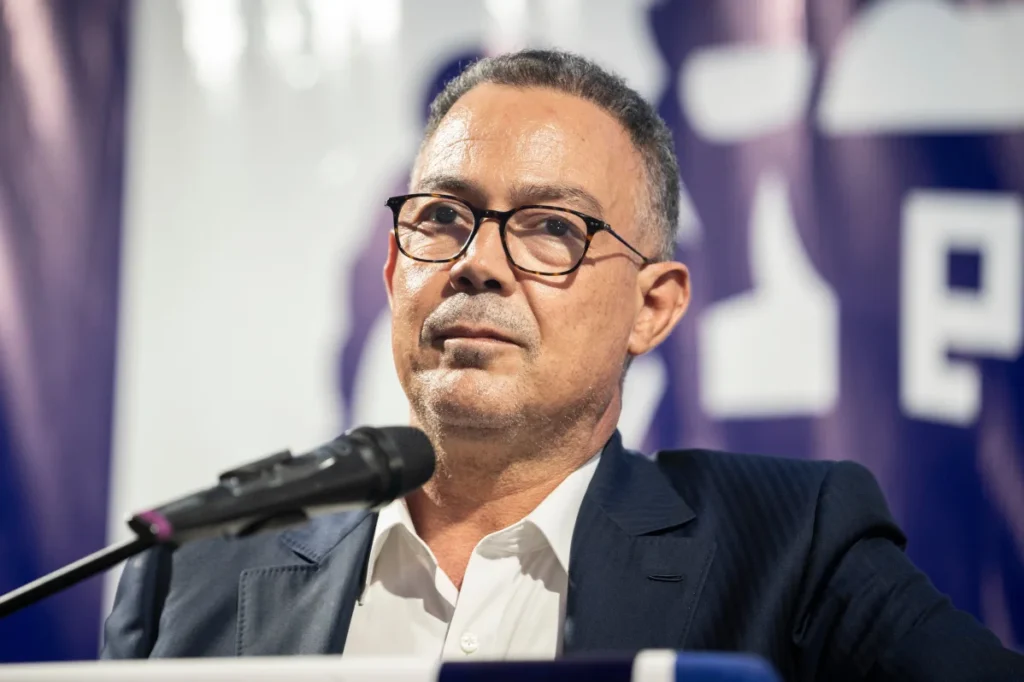
Among the possible contenders for the premiership is Faouzi Lakjaa, president of Morocco’s soccer federation, who recently joined the PAM party and has gained visibility alongside the country’s recent football successes.
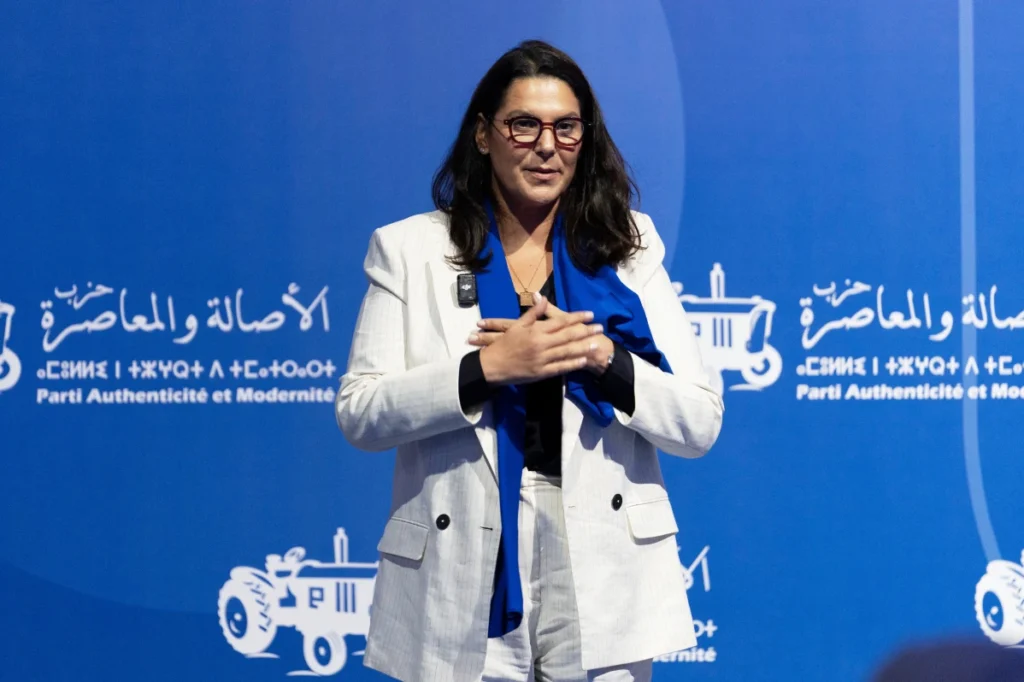
Another potential candidate is Fatima-Zahra Mansouri, 50, mayor of Marrakech and minister of urban planning. If appointed, she would become Morocco’s first female prime minister.
The election has also faced calls for a boycott from some political groups.
The far-left Democratic Path party urged voters to stay away from the polls, arguing that the election “lacks the minimum conditions of democracy.” The banned but tolerated Islamist association Al-Adl Wal Ihsane also raised similar concerns.
The calls reflect wider questions about political participation and public confidence in Morocco’s electoral system.
Morocco Election Turnout Trails 2021 Pace
Early turnout figures pointed to continued challenges in attracting voters to the polls.
By midday, turnout stood at just over 11%, slightly below the 12% recorded at the same point during the previous legislative election in 2021.
The number of registered voters has also fallen by 9.7% since the 2021 election, even as Morocco’s population has continued to grow.
The decline has been linked to political disenchantment, particularly among younger Moroccans who have expressed doubts about the ability of elections and political institutions to address their concerns.
Moroccans living abroad also face particular challenges in participating. While the Constitution recognises their right to vote, there is no system allowing them to vote by mail or cast ballots at Moroccan consulates.
Instead, eligible voters living overseas must travel to Morocco to vote or authorise a registered family member or acquaintance to vote on their behalf.
In Madrid, Moroccan voters expressed mixed views about the election, with some indicating that they did not expect the outcome to significantly affect their lives.
The level of participation will therefore be closely watched alongside the final results, particularly as the next government prepares to manage major national investments linked to the 2030 World Cup while responding to persistent concerns over employment, public services and living standards.