Amazon founder Jeff Bezos has been approached about joining a consortium exploring a minority investment in Liverpool Football Club.
The billionaire businessman is reportedly in discussions about becoming part of an investment group led by British-Indian entrepreneur Amit Bhatia, which has opened preliminary talks with Liverpool’s owners Fenway Sports Group (FSG) over acquiring a significant minority stake in the club.
The consortium is believed to include several investors beyond Bhatia and is considering a deal that could involve purchasing up to 30% of Liverpool. Sky News reports that the proposed investment could value the six-time European champions at more than $6 billion (£4.5 billion), potentially making the club the second-most valuable football team in England behind Manchester United.
A valuation of that scale would underline Liverpool’s growing commercial power, driven by its global fanbase, Premier League success, Champions League history and strong revenue streams. It would also reflect the increasing attractiveness of elite football clubs as long-term investment assets for some of the world’s wealthiest individuals.
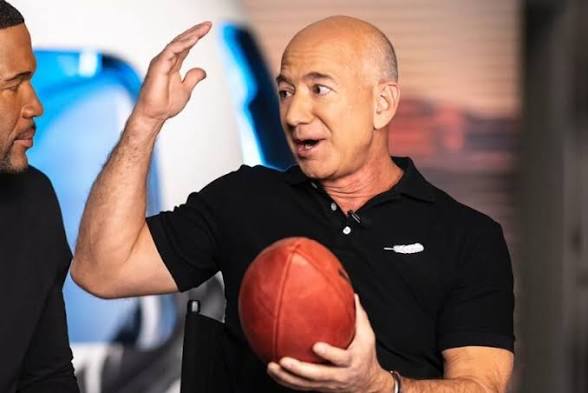
Bhatia, the son-in-law of Indian steel magnate Lakshmi Mittal, has previous experience in football ownership after serving as co-owner and chairman of Queens Park Rangers. He recently stepped away from his leadership role at the Championship club, a move that has been viewed as creating an opportunity to pursue other football-related investments.
FSG Open to Strategic Investment
A Fenway Sports Group spokesperson confirmed that an investment consortium led by Bhatia had expressed interest in making what was described as a strategic minority investment in Liverpool.
However, FSG has made clear that it has no intention of surrendering control of the club. The American ownership group, which bought Liverpool in 2010 for around £300 million, has previously used minority investment as a way of bringing in additional capital while maintaining decision-making authority.
In 2023, FSG sold a minority stake to US investment firm Dynasty Equity, marking the first external investment into the club since the takeover. Any agreement with Bhatia’s consortium is expected to follow a similar model rather than represent the beginning of a full sale process.
For Liverpool, additional investment could provide further financial strength at a time when football’s elite clubs are competing in an increasingly expensive market. The money could support infrastructure, recruitment, commercial expansion and long-term competitiveness.
Bezos Could Enter Football Ownership
If the deal progresses, it would represent Bezos’s first ownership stake in a major sports organisation. The Amazon and Blue Origin founder, who also owns The Washington Post, has previously been linked with opportunities in American sports.
Bezos was reportedly interested in purchasing the Washington Commanders before Josh Harris’s group completed the $6.05 billion acquisition of the NFL franchise in 2023. He has also been mentioned as a potential investor in the Seattle Seahawks.
Ranked among the world’s richest individuals, Bezos would bring enormous financial resources and global business experience to any Liverpool investment. His involvement could also enhance the club’s commercial appeal, particularly given his background in technology, e-commerce and international branding.
However, football investment is not simply a financial calculation. Liverpool supporters have historically placed significant importance on sporting ambition, club identity and responsible ownership. Any investor joining FSG would likely face scrutiny over whether their involvement strengthens the club’s competitive future or primarily serves financial interests.
Liverpool’s Future Ownership Question
Liverpool have enjoyed one of the most successful periods in their modern history under FSG. The club has won the Premier League, FA Cup, three League Cups and the Champions League since 2010, including the historic 2019 European triumph under Jürgen Klopp.
Current manager Arne Slot has continued that momentum, guiding Liverpool to another league title last season and maintaining the club’s position among Europe’s leading teams.
Despite FSG’s repeated commitment to retaining control, discussions around minority investment inevitably raise questions about the ownership group’s long-term strategy. The increasing valuations of Premier League clubs have created opportunities for owners to unlock significant financial returns without completely selling their assets.
A potential investment involving Bezos and Bhatia would represent another example of football’s transformation into a global investment market, where historic clubs are attracting technology leaders, billionaires and institutional investors.
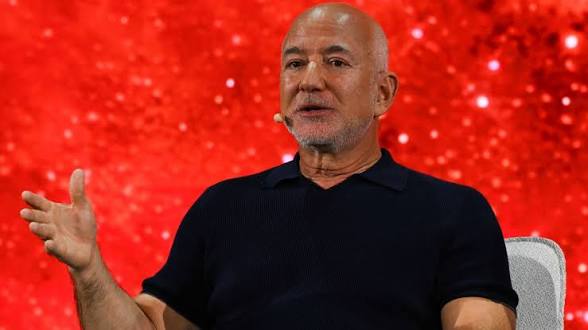
For now, talks remain at an early stage and no agreement has been reached. But the possibility of one of the world’s richest individuals becoming connected with Liverpool highlights the continued financial growth and global appeal of English football’s biggest clubs.
READ ALSO: Mahama Receives Procurement Report to Kickstart Green Digital City Project