Ebola outbreak in DR Congo has killed more than 1,000 people, according to new official figures, as health workers struggle to contain the deadly virus amid armed violence, attacks on medical facilities and severe shortages of essential supplies in the country’s east.
The Democratic Republic of Congo’s public health institute confirmed that the number of Ebola cases has risen to 2,536, with fatalities reaching 1,033. The figures represent a significant escalation in one of the country’s most challenging public health emergencies in recent years.
The current outbreak is being driven by the rare Bundibugyo strain of Ebola, a variant that has historically received less scientific attention compared with the more common Zaire strain. The virus has a fatality rate of up to 40%, and unlike other Ebola variants, there is currently no approved vaccine or treatment specifically designed to combat Bundibugyo.
Eastern Democratic Republic of Congo remains the centre of the crisis, with health authorities facing extraordinary challenges as they attempt to reach affected communities in areas controlled or contested by armed groups.
The region has experienced years of instability, with dozens of militant organisations operating across several provinces. The insecurity has made it increasingly difficult for medical teams to conduct surveillance, trace contacts and provide timely treatment to infected patients.
Health workers have also reported attacks on clinics and resistance from some communities affected by the outbreak. In some cases, families grieving the loss of loved ones have expressed anger over restrictions placed on traditional burial practices, which health officials say are necessary to prevent further transmission.
Some communities have also been influenced by misinformation and conspiracy theories claiming that the Ebola outbreak is fabricated, creating additional obstacles for health authorities trying to encourage early treatment and cooperation.
The highly infectious nature of the disease means that delays in identifying cases or isolating patients can quickly create new chains of transmission.
Health Teams Battle Insecurity as Uganda Contains Spillover Cases
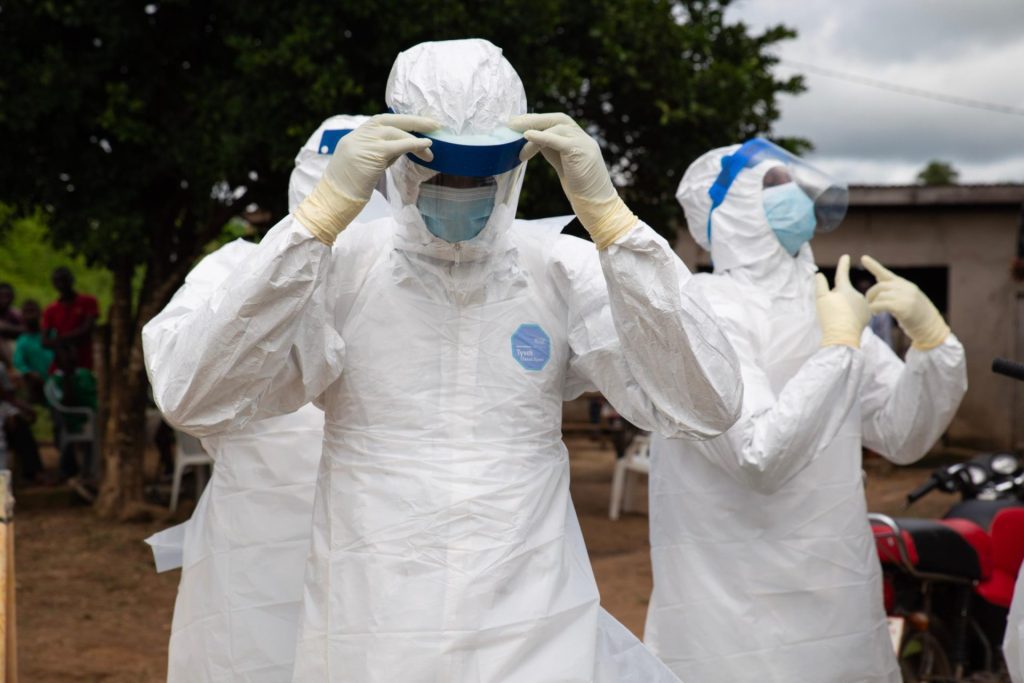
Beyond the immediate challenges inside the Democratic Republic of Congo, neighbouring countries have remained alert to the possibility of cross-border spread.
The outbreak has already reached Uganda, where authorities have recorded 20 confirmed cases. However, health officials there have reported progress in controlling transmission.
No new Ebola cases have been recorded in Uganda since 22 June, while the last confirmed patient was discharged from treatment on 16 July. The country has now entered a 42-day monitoring period, which is required before it can officially be declared free of the virus.
The situation in Uganda contrasts with the continuing struggle in eastern Congo, where insecurity remains one of the biggest barriers to controlling the outbreak.
Health responders have repeatedly warned that medical interventions alone cannot end the crisis without improved access to affected communities and greater cooperation from local populations.
Unlike the Zaire strain of Ebola, which has benefited from approved vaccines and treatments, the Bundibugyo strain presents additional scientific challenges.
Researchers are currently examining whether experimental vaccines and existing Ebola treatments could provide some protection against the strain. However, evidence remains limited, with current support based mainly on early studies, including animal research.
The lack of approved medical tools has placed greater emphasis on traditional outbreak control measures, including rapid identification of cases, isolation, contact tracing, safe burial practices and community awareness campaigns.
Moreover, health officials have stressed that winning public trust is essential, particularly in communities where fear, misinformation and years of conflict have weakened confidence in government and international health responses.
World Health Organization and other partners continue to support emergency operations across affected provinces, but responders acknowledge that the crisis requires sustained attention and resources.
The Ebola outbreak coincides with a number of humanitarian challenges that populations in eastern Congo are already dealing with, including as economic hardship, restricted access to healthcare, and relocation brought on by armed conflict.
In a setting already characterised by uncertainty and insecurity, the virus poses an additional hazard to families residing in impacted areas.
Health professionals caution that the situation in Congo is still precarious, despite Uganda’s success providing some encouragement. If response measures are not reinforced, the virus may be able to spread further due to ongoing transmission, population displacement, and insecurity.
Authorities are under growing pressure to get past logistical and security obstacles and stop the outbreak from growing into a more serious regional health emergency, since the number of deaths has now surpassed 1,000.
READ ALSO: Substack Launches AI Detection Tool to Combat Claude fishing on Platform