
The Federation of International Football Association (FIFA) has given its 211 member associations until September 19, 2026, to decide whether they will support the creation of the proposed FIFA Forward Enterprise (FWE), a commercial entity that would oversee the governing body’s flagship competitions with backing from private investors.
The deadline, outlined in a letter sent by FIFA President Gianni Infantino, raises the stakes significantly by linking support for the proposal to a one-off financial package worth $40 million for participating member associations.
According to the letter, associations that approve the initiative would receive the funding from January 1, 2027, while those that reject the proposal would remain under FIFA’s existing Forward Programme 4.0 and receive approximately $10 million during the next funding cycle.
The move marks a major escalation in FIFA’s campaign to secure backing for one of the most controversial governance reforms in recent years. The proposal requires the support of more than half of FIFA’s member associations, in addition to approval from the FIFA Council, before it can proceed.
Infantino argued that the new commercial structure would unlock substantially greater revenues for football development worldwide and insisted the opportunity would only be available to associations that back the initiative.
The latest offer also doubles FIFA’s previous financial proposal. Only a day earlier, the governing body had indicated that participating associations could access $20 million between 2027 and 2030. The revised package increases that figure to $40 million, underscoring FIFA’s determination to secure the required majority.
Infantino Ties Funding to Member Support
In the letter, Infantino made it clear that approval of the FIFA Forward Enterprise is directly linked to increased financial support for national associations. “The launch of FIFA Forward Enterprise needs more than 50 percent of members to back the plans, along with the FIFA Council,” he wrote.
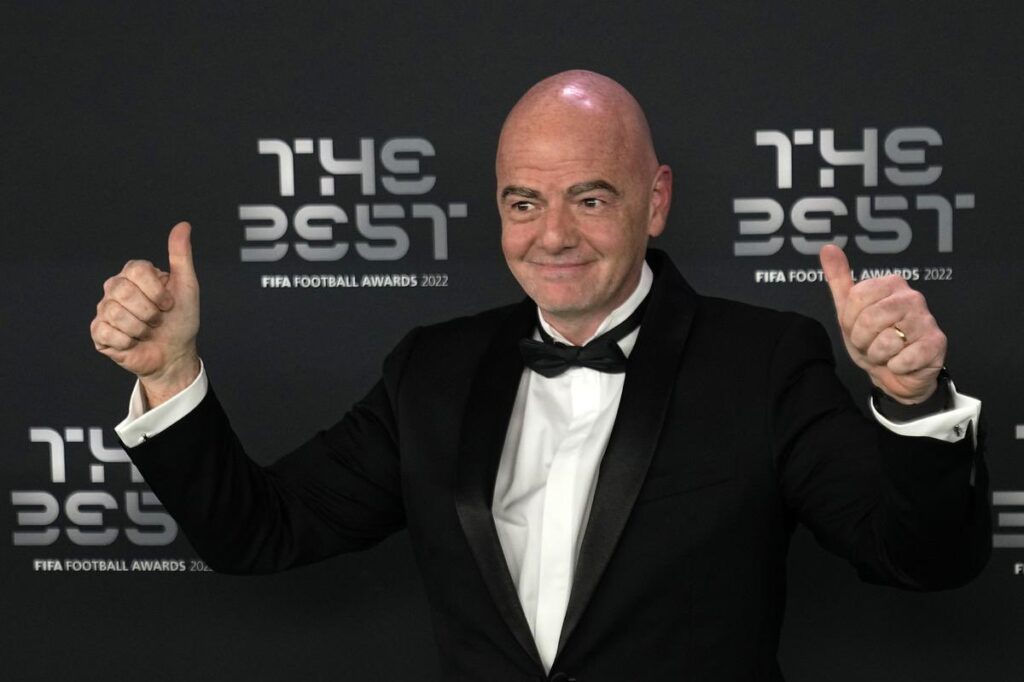
He also warned of the consequences should the proposal fail to gain sufficient support. “Should neither condition be satisfied, FIFA will continue as planned with the Forward Programme 4.0, meaning approximately $10 million per member association for the next cycle.”
Infantino further described the proposal as a unique opportunity available only to those associations willing to participate. “A singular and unique funding opportunity only for those member associations who wish to participate,” he wrote, adding that decisions must be made by September 19, 2026, so that “the funds [can] be available immediately as of the 1st of January 2027.”
He also defended the commercial vision behind the project, saying the new entity would be “fully focused on one target objective: generating as much value as possible for FIFA’s member associations.”
What Is FIFA Forward Enterprise?
FIFA Forward Enterprise is a proposed commercial spin-off that would manage the commercial rights and operational delivery of FIFA’s major competitions, including the men’s and women’s World Cups.
Under the plan, FIFA intends to sell more than 20 percent of the new entity to private investors in a deal aimed at raising as much as $4.2 billion in fresh capital. Those funds would then be used to expand investment in football development, infrastructure and competitions through an enhanced FIFA Forward Programme.
Supporters of the proposal argue that separating commercial operations into a dedicated enterprise would allow FIFA to maximize the value of its tournaments while generating greater long-term returns for member associations.
Critics, however, believe the plan represents a fundamental shift in football governance by opening the door to private investment in the commercial future of the World Cup.
Opposition Continues to Grow
The proposal has already generated significant resistance from several influential football bodies.
UEFA has emerged as the strongest opponent, with senior officials reportedly concerned that selling a stake in FIFA’s commercial business could hand excessive influence to outside investors and fundamentally alter the governance of the global game.
European football leaders have also expressed reservations over reports that Infantino could eventually become commissioner of the new enterprise after completing his presidential tenure.
Opposition has not been limited to Europe. Both CONCACAF and the English Football Association have reportedly described elements of the proposal as concerning, particularly regarding governance, transparency and the long-term implications of involving private equity in football’s most valuable competitions.
Questions also remain over FIFA’s leadership structure. While Infantino has championed the project as a transformational funding opportunity, FIFA has yet to explain how much, if anything, the president could personally benefit from overseeing a venture reportedly valued at around $20 billion, or whether the new structure could allow him to remain influential beyond the presidential term limits if re-elected.
With the September 19 deadline set, FIFA’s member associations must now weigh the promise of immediate financial gains against concerns over governance and the future commercial control of world football. Their decision could reshape not only FIFA’s finances but also the way the World Cup is managed for decades to come.
READ ALSO: Supreme Court Orders Political Parties to End Delegate Voting System