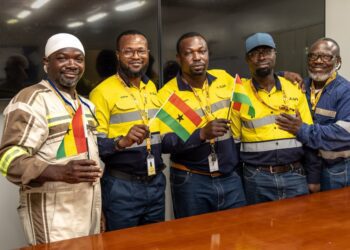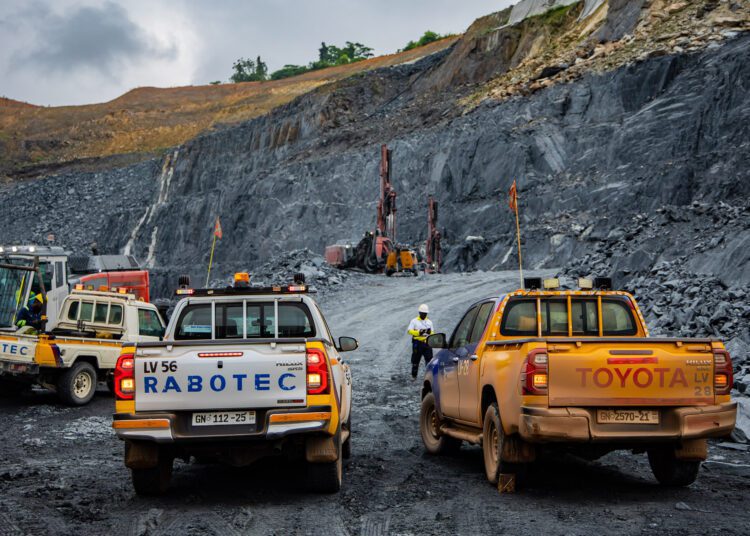
Rabotec Group, one of Ghana’s largest indigenous mining contractors, is actively leveraging a project pipeline valued between $1.5 billion and $1.8 billion to execute a strategic transition from contract services to mine ownership.
Chief Executive Officer Alhaji Ali Ibrahim revealed that the company is utilizing its expanding regional execution footprint to build the balance sheet strength, operational scale, and technical depth required to acquire, develop, and operate its own concessions across West Africa.
“My ambition is clear. Very soon, you will hear of Rabotec Mine. We are developing concessions in Ghana and other African countries, and we are working towards becoming mine owners.”
Alhaji Ali Ibrahim
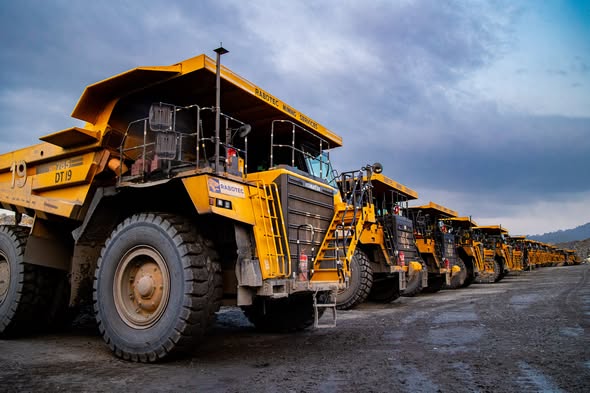
Expanding on this trajectory, the group’s portfolio currently spans five West African countries Ghana, Guinea, Mali, Sierra Leone, and Burkina Faso covering contract mining, heavy civil infrastructure, and mineral processing.
Managing project durations ranging from zero to five years, Rabotec is positioning its operational reliability and engineering expertise as a launchpad to become a fully operational, equity-holding mine owner and operator within the next five years.
Regional Execution and Technical Infrastructure Scale
Rabotec’s project pipeline highlights its operational depth across the sub-region, headlined by a $400 million contract expansion at the Asanko Gold Mine in Ghana.
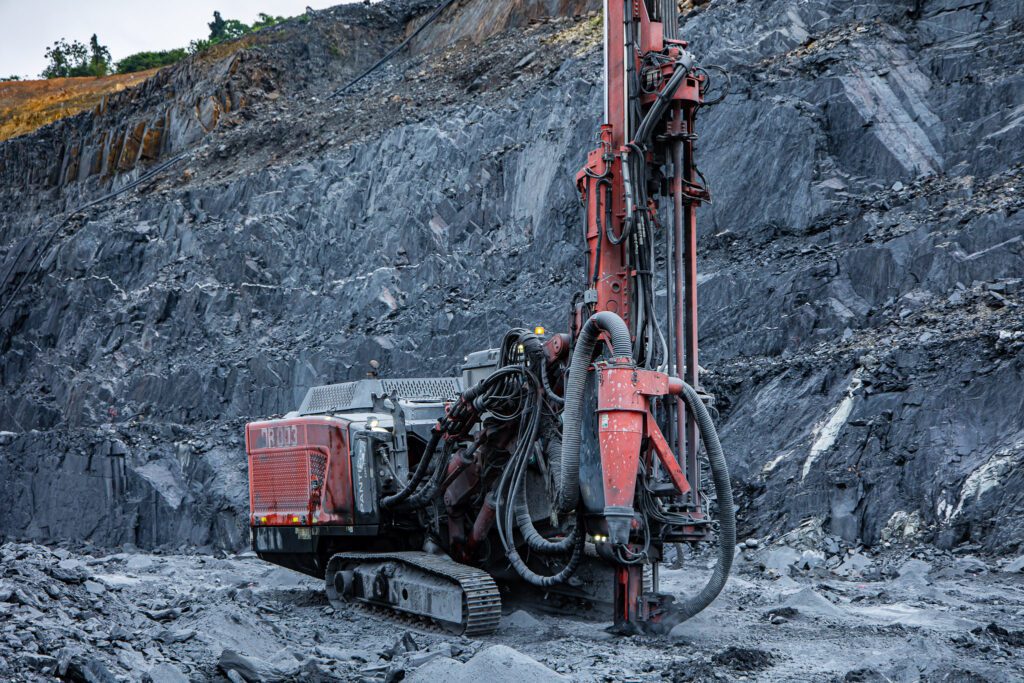
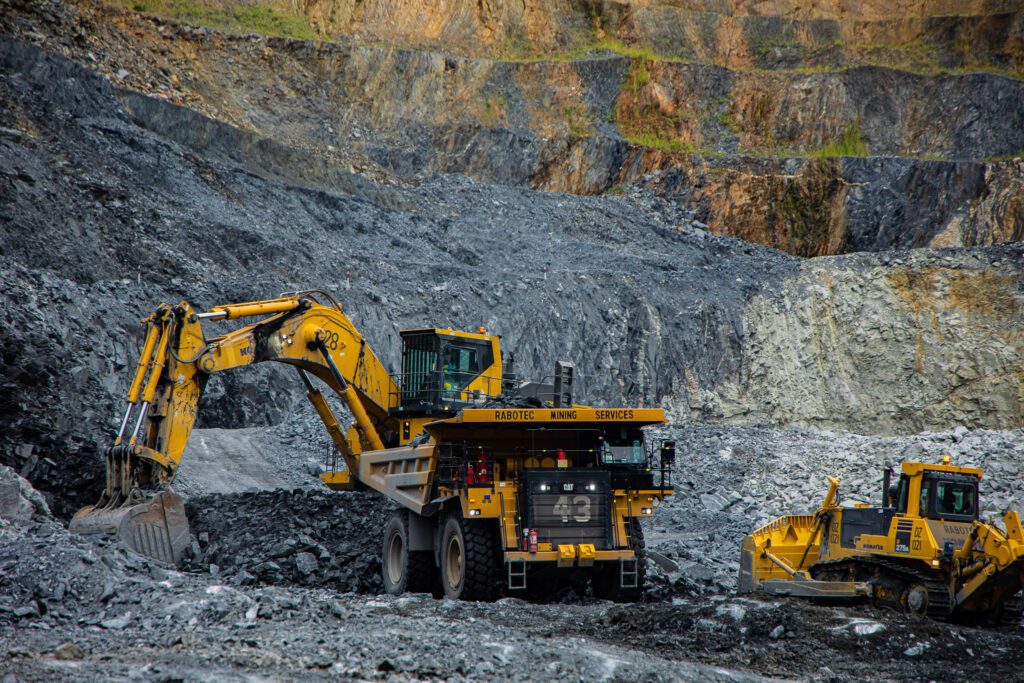
Internationally, its contracts include approximately $350 million in Mali, $285 million in Sierra Leone, $250 million in Burkina Faso, and $250 million in Guinea, where the firm delivers full-scale mine management, including drilling, blasting, loading, and hauling.
The firm has also established dominance in constructing Tailings Storage Facilities (TSFs) engineered structures designed to contain mining waste safely.
Alhaji Ali Ibrahim noted that Rabotec has built most of Ghana’s large-scale TSFs under strict regulatory oversight.
This capability allowed the group to overcome severe operational disruptions, including an arson attack that destroyed nearly $30 million in heavy equipment at one site.
Despite this calamity, volatile exchange rates, community disputes, and changing regional regulations, Rabotec maintains momentum through ISO certification and green mining technologies aligned with global ESG standards.
“The government’s contract mining policy is one of the greatest advantages,” Ibrahim remarked, highlighting how localization policies foster Tier-One contractor growth.
Strategic Macroeconomic Benefits for Ghana’s Economy
Rabotec’s evolution from contractor to concession owner represents a pivotal macroeconomic shift for Ghana’s extractive sector. Historically, foreign multinationals have dominated mine equity, resulting in significant capital outflow through repatriated profits and dividends.
By establishing an indigenous Tier-One mine owner, Ghana retains greater net mineral wealth, strengthens foreign exchange reserves, and expands domestic tax revenues.
This transition validates the Minerals Commission’s local content agenda, proving that Ghanaian enterprises can move beyond peripheral service delivery to take direct ownership of resource extraction, anchoring long-term wealth within the national economy.
Furthermore, indigenous mine ownership creates powerful domestic multiplier effects across supply chains.
A locally owned mine prioritizes domestic suppliers, enhances capital retention, and reinvests earnings directly into local financial markets and infrastructure. Ownership also shields the domestic economy from sudden foreign capital flight during global market downturns.
As Rabotec becomes an operator-owner, Ghana gains strategic leverage over its natural resources, ensuring that financial returns directly fuel economic stability, job creation, and sustainable industrial development rather than enriching offshore shareholders.
Human Capital, CSR, and Extractive Innovation
Central to Rabotec’s ethos is workforce development and social responsibility. Employing over 5,000 direct workers and supporting 15,000 indirect jobs across West Africa, the firm minimizes expatriate reliance to build local expertise.
Ibrahim has personally mentored over 300 inexperienced employees entering the sector. Additionally, his quiet philanthropic efforts include structured rehabilitation programs offering former prison inmates employment as drivers, equipment operators, and artisans on Rabotec sites, giving them a second chance at productive livelihoods.
Looking ahead, Ibrahim is urging Ghana to pivot from exporting raw minerals to exporting proprietary mining technology and systems.
Pointing to industry data indicating Ghana possesses over 300 years of unextracted mineral resources nearly triple what was extracted over the past century he emphasizes that the nation must build world-class mining solutions that foreign markets will purchase.
By uniting operational excellence, ESG compliance, and indigenous capital, Rabotec is redefining Africa’s extractive landscape.
READ ALSO: Iran Crisis Exposes Ghana’s Biggest Energy Vulnerability