Oil Marketing Companies (OMCs) have begun implementing fresh fuel price increases across Ghana, with some of the country’s major retailers raising petrol and diesel prices in response to higher international petroleum product costs, exchange-rate pressures and the latest upward adjustment in the National Petroleum Authority’s (NPA) benchmark price floors.
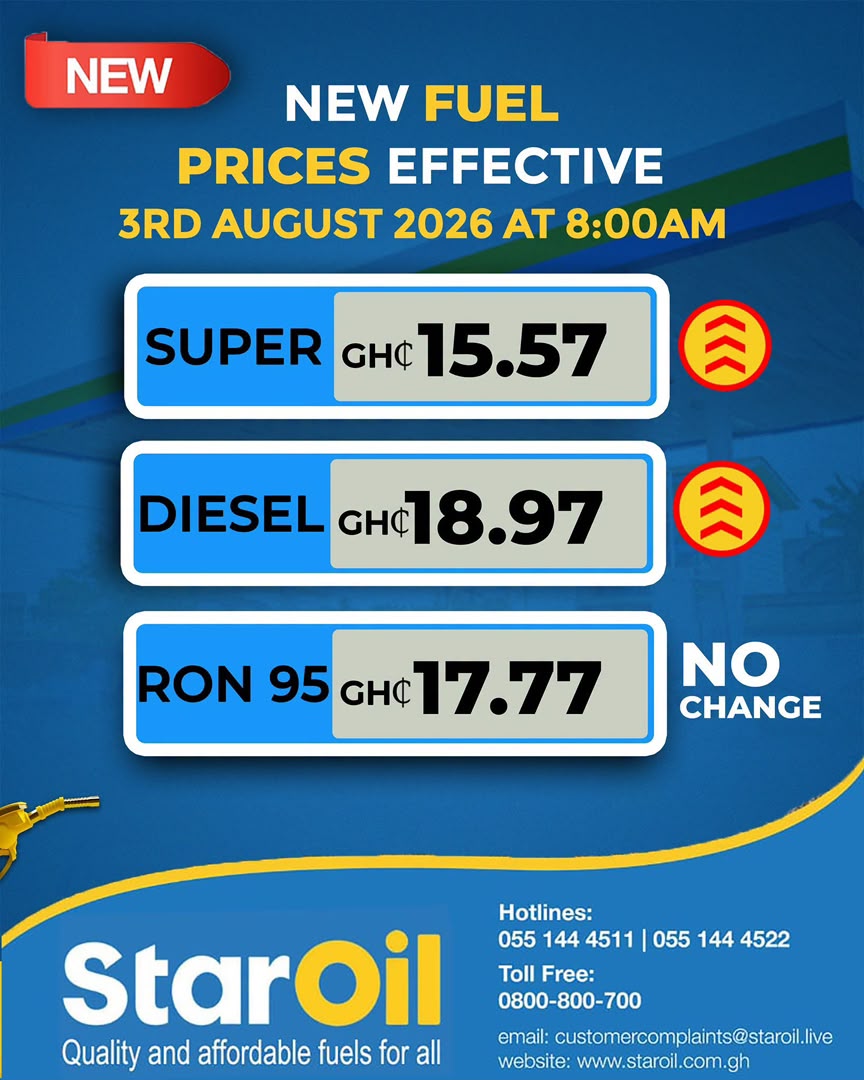
StarOil announced that its revised pump prices took effect on 3 August 2026, with Super petrol increasing to GH¢15.57 per litre and diesel rising to GH¢18.97 per litre, while RON 95 remained unchanged at GH¢17.77 per litre.
The company said the adjustment reflects changes in international petroleum product prices, the prevailing cedi-dollar exchange rate and the NPA’s latest price floor revision.
The new retail prices place StarOil’s diesel price about GH¢2.00 above the NPA floor of GH¢16.97 per litre, while its petrol price is roughly GH¢1.04 above the GH¢14.53 benchmark floor for the first pricing window of August.
NPA floor increases set the direction
The latest OMC adjustments follow a sharp increase in the NPA’s benchmark price floors announced for the first August pricing window.
Petrol’s floor rose from GH¢13.28 to GH¢14.53 per litre, an increase of 9.4%, while diesel recorded the largest jump, climbing from GH¢14.35 to GH¢16.97 per litre, an increase of 18.3%. LPG also increased from GH¢10.19 to GH¢11.06 per kilogram.
The NPA floors represent the minimum benchmark prices in the market, but actual pump prices can be higher once marketers add international trading premiums, distribution costs and dealer margins.
Why diesel is climbing faster than petrol
The most striking development is the pace of the diesel increase.
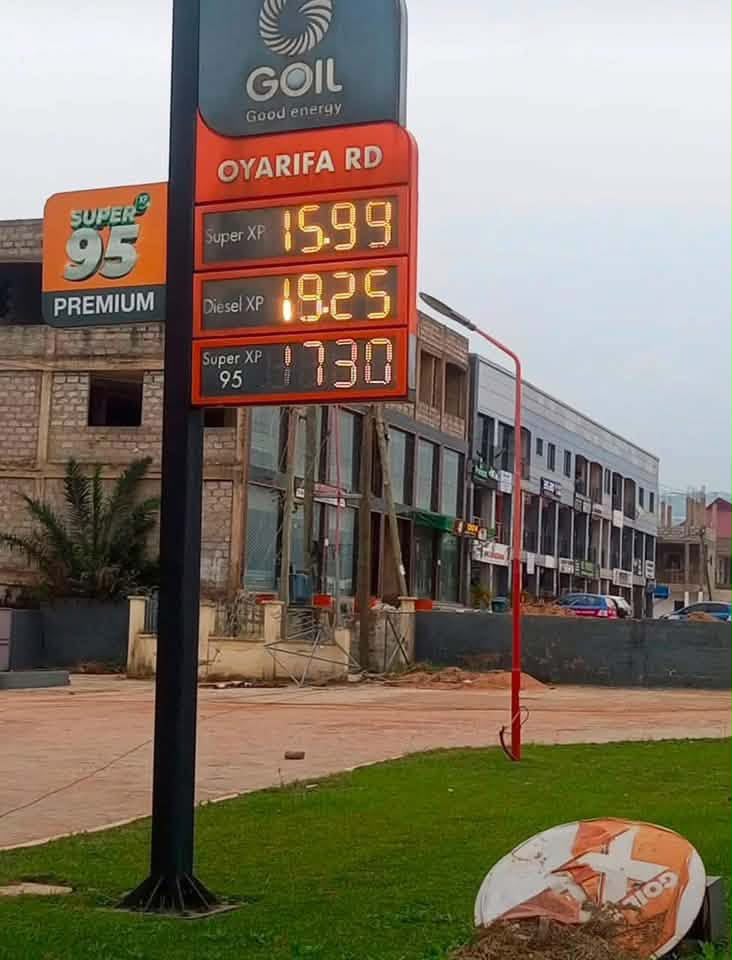
At nearly GH¢19 per litre at some stations, diesel has become the main driver of concern for transport operators, manufacturers, miners, construction firms and agricultural businesses that rely heavily on the fuel.
Analysts say the diesel market has come under stronger pressure because international middle-distillate prices have risen faster than gasoline prices in recent weeks.
Higher diesel costs typically have a wider economic impact than petrol because they feed directly into freight charges, food transportation, industrial production and power generation for businesses that use generators.
When diesel prices rise sharply, the effects spread through transport, logistics, agriculture and manufacturing much more quickly than many other fuel price changes.
Global oil prices and the cedi remain the key drivers
The current round of increases is being driven by a combination of higher international crude and refined-product prices and continued pressure on the Ghana cedi.
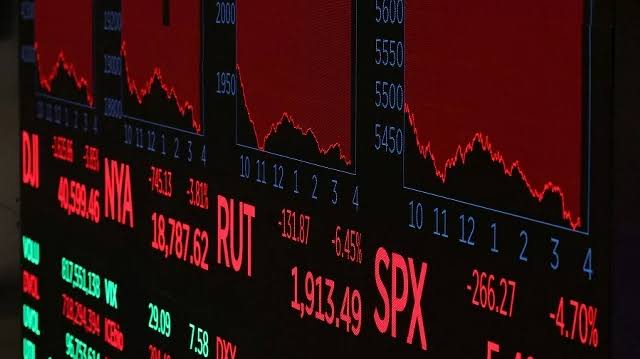
Brent crude prices have strengthened amid renewed geopolitical tensions involving the United States and Iran, while international prices for diesel and gasoline have also moved upward.
At the same time, the cedi has remained weaker against the US dollar compared with earlier in the year, increasing the local-currency cost of importing petroleum products.
Because Ghana’s downstream market is deregulated, OMCs adjust prices based largely on replacement costs rather than on the cost of existing inventory.
StarOil points to market conditions, not policy change
In its announcement, StarOil indicated that the increase was linked to market conditions rather than a new government tax measure.
The company also stated that it would reduce prices if international and exchange-rate conditions improve.
We will reduce our prices as soon as market conditions improve.
Star Oil
The decision to keep RON 95 unchanged at GH¢17.77 per litre suggests that premium gasoline is facing a different cost structure and demand profile from regular petrol and diesel.
What motorists and businesses should expect
The latest adjustments are likely to increase pressure on household budgets and business operating costs.
For motorists, the immediate effect is higher refuelling expenses. For commercial transport operators, higher diesel prices could intensify calls for fare increases.

Businesses involved in distribution, manufacturing and construction are also expected to face higher operating costs, which could eventually be passed on to consumers.
If diesel remains close to GH¢19 per litre, the impact is unlikely to be confined to filling stations.
The bigger issue: Ghana remains exposed to global fuel markets
The new price increases underline a broader structural reality.
Although Ghana produces crude oil and has resumed some refining activity at the Tema Oil Refinery, domestic fuel prices remain closely tied to international crude prices, refined-product markets and exchange-rate movements.
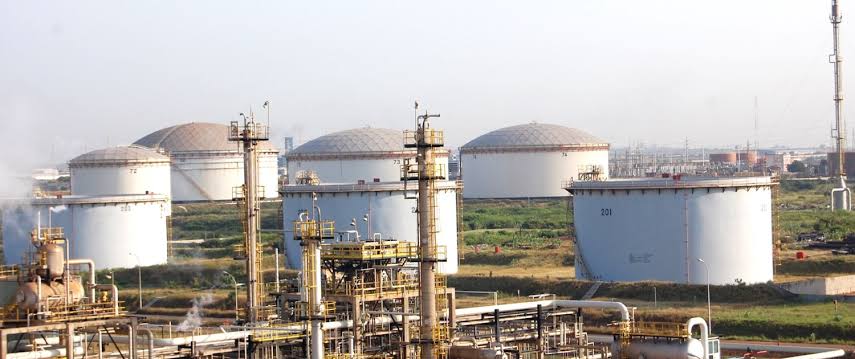
Local refining may improve supply security, but it does not automatically insulate consumers from global market volatility when crude is acquired on commercial terms.
For now, the direction of the market remains upward.
Unless international petroleum prices retreat or the cedi strengthens significantly, OMCs are likely to maintain elevated pump prices during the current pricing window, with diesel remaining the clearest signal of the mounting cost pressure facing Ghana’s economy.
READ ALSO: Government Rejects GH¢1.9bn in Treasury Bill Bids