The Group Chief Executive Officer of CDH Financial Holdings Limited, Dr Emmanuel Adu Sarkodie has described the late Defence Minister, Dr Edward Omane Boamah, “a patriotic Ghanaian whose commitment centred on the progress and advancement of the country.” He added that the former minister demonstrated a strong belief in Ghana’s future and remained dedicated to contributing towards national development.
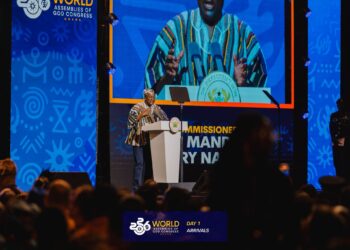
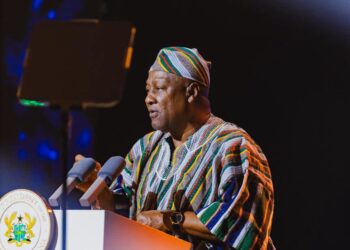
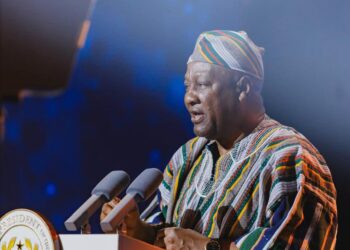
Dr Adu Sarkodie made the remarks during the maiden annual lecture organised in honour of Dr Omane Boamah at the Burma Hall on Tuesday, August 4. The event brought together individuals to commemorate the life, values and public service contributions of the former Defence Minister.
Speaking at the gathering, the CDH Financial Holdings Limited Chief Executive Officer urged participants to preserve the ideals that guided Dr Omane Boamah’s life and public service. He noted that the late minister represented a generation of citizens who believed in solving national challenges through commitment and collective effort.
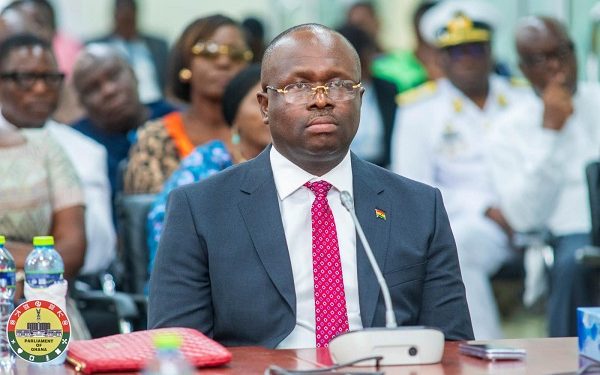
According to Dr Adu Sarkodie, Dr Omane Boamah’s patriotism was evident in his decision to remain focused on Ghana’s development despite opportunities that could have taken him elsewhere. He indicated that the former Defence Minister believed citizens had a responsibility to contribute to improving the country they called home.
“Omane was fiercely patriotic. He was a true Ghanaian and did not want to leave the country,” Dr Adu Sarkodie said while paying tribute to the late politician.
The CDH Holdings CEO further explained that Dr Omane Boamah viewed nation building as a continuous responsibility requiring dedication from citizens. He said the late minister believed countries were developed by people who chose to remain committed and work towards creating the future they desired.
The tribute highlighted the former Defence Minister’s belief that progress depended on citizens actively participating in national transformation. Dr Adu Sarkodie encouraged Ghanaians to embrace similar values by supporting initiatives aimed at strengthening the country.
Dr Omane Boamah was among eight people who lost their lives in a Ghana Air Force helicopter crash on August 6, 2025. The incident occurred while the Z 9EH helicopter was travelling to the Ashanti Region, leading to the deaths of senior public officials and military personnel.
Others who died in the crash included the Minister for Environment, Science, Technology and Innovation and Member of Parliament for Tamale Central, Dr Ibrahim Murtala Mohammed, Acting Deputy National Security Coordinator Dr Samuel Sarpong and National Democratic Congress National Vice Chairman Samuel Aboagye.
The tragedy also claimed the lives of Squadron Leader Peter Bafemi Anala, Flight Officer Manaen Twum Ampadu and Sergeant Ernest Addo Mensah of the Ghana Air Force. The annual lecture formed part of efforts to honour Dr Omane Boamah’s legacy and highlight the principles that shaped his service to Ghana.
The occasion provided an opportunity for speakers and participants to reflect on the responsibilities of citizens in promoting national progress. Dr Adu Sarkodie’s tribute placed emphasis on sustaining the values of patriotism, commitment and service that defined the late Defence Minister’s public life.
National Progress Requires Dialogue And Discipline
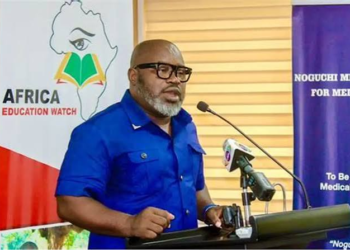
The maiden annual lecture in honour of the late Defence Minister, Dr Edward Omane Boamah also highlighted the importance of dialogue, responsibility and discipline in Ghana’s development process. The Chairman of the event, Dr Emmanuel Adu-Sarkodie stressed that national advancement required citizens to engage in meaningful conversations about the future of the country.
He explained that his role at the gathering was to ensure a peaceful atmosphere while encouraging participants to reflect on the values that guided Dr Omane Boamah’s life. According to him, Ghana’s progress depended on the willingness of citizens to communicate, understand one another and work together.
Sharing a personal experience from his childhood, the Chairman recalled growing up in Koforidua where he lived with Omanhene. He narrated how a radio device installed in the house became a source of news, music and education, although the children lacked an understanding of its importance at the time.

The Chairman explained that the children eventually dismantled the device because no one had taken time to explain its purpose to them. He noted that proper conversation and education could have helped them appreciate the value of the equipment and prevented its destruction.
The story, he indicated, represented a wider lesson about national assets and the need for citizens to understand the importance of preserving institutions created for public benefit. He linked the experience to the need for Ghanaians to protect national resources such as railway systems, airlines and shipping infrastructure.
“If we had a conversation with ourselves, perhaps we would understand why we need to keep building and protecting what belongs to the nation.”
Dr Emmanuel Adu-Sarkodie
Turning to the life of Dr Edward Omane Boamah, the Chairman described him as a person deeply committed to Ghana’s development and national identity. He explained that the late Defence Minister believed citizens should protect public property and avoid actions that weaken national progress.
He recalled that Dr Omane Boamah struggled to understand why individuals would destroy state property for personal gain. The Chairman said such actions contradicted the values of patriotism and collective responsibility that the former minister promoted throughout his life.
Additionally, Dr Adu-Sarkodie highlighted Dr Omane Boamah’s decision to contribute to Ghana’s security sector as part of his commitment to national service. He explained that the former minister’s approach to public life was shaped by a desire to protect and strengthen national institutions.
Referencing the ideas of economist Ernst Friedrich Schumacher, the Chairman noted that development begins with people, their education, organisation and discipline. He urged participants at the lecture to prioritise personal responsibility as an essential foundation for national transformation.
READ ALSO: Hunger Crisis in Afghanistan Deepens as Millions Face Acute Food Shortages