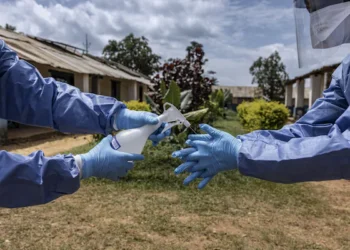
The rising Ebola outbreak in the Democratic Republic of the Congo (DRC) has raised concerns about the international community’s ability to respond swiftly enough to limit a disease that continues to endanger weak health systems throughout Africa.
In an exclusive interview with The Vaultz News, Prof. Catherine E. Bolten, Professor of Anthropology and Peace Studies at the University of Notre Dame, warned that the global response to Ebola outbreaks has frequently been shaped by international self-interest rather than the urgency of protecting vulnerable populations.
Prof. Bolten, who has previously provided policy and practical advice during the 2014–2016 West African Ebola outbreak, stated that the international community’s willingness to act decisively often increases only when the disease begins to threaten countries beyond Africa.
Reflecting on the West African Ebola crisis, she noted that global attention intensified after the virus reached the United States, forcing countries that had previously remained distant from the crisis to take stronger action.
“The moment that the U.S. felt threatened by Ebola, suddenly it was pouring all of the money that it could into containing and ending the epidemic.”
Prof. Catherine E. Bolten
She explained that the current situation in the DR Congo differs because the outbreak has largely remained within the region, reducing the sense of urgency among international actors.
According to Prof. Bolten, Uganda’s ability to contain Ebola cases linked to the DRC outbreak demonstrated the importance of strong national response systems, but it also unintentionally reduced international pressure to support broader regional efforts.
“Uganda did a great thing in that they managed to rid the virus from their own country. But essentially what that did was stop any impetus from WHO or from anywhere else in the world, it stopped them needing to care about it.”
Prof. Catherine E. Bolten
Vaccine Development Hinges on Funding and Political Commitment
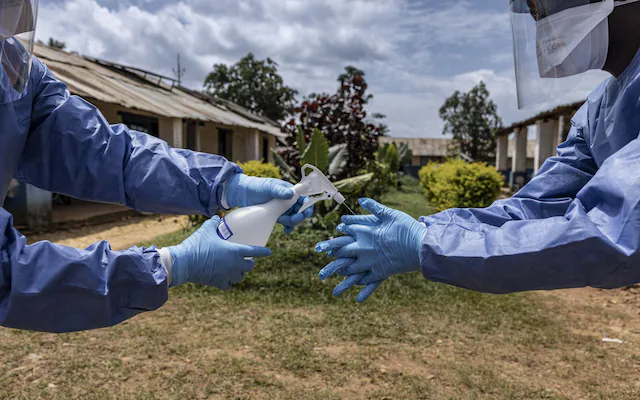
Prof. Bolten also addressed concerns over the lack of an approved vaccine for the current Ebola strain, explaining that scientific progress depends heavily on financial resources and international commitment.
The current outbreak involves the Bundibugyo Ebola virus strain, which differs from the Zaire strain responsible for previous major outbreaks.
According to Prof. Bolten, developing a vaccine for a new strain is scientifically possible, but the timeline depends on whether adequate resources are made available.
“The process of developing a vaccine for a virus is actually, in the grand scientific scheme of things, relatively straightforward. It’s a process of trial and error. It’s just how much money you can pour into it in order to bring these trials to scale.”
Prof. Catherine E. Bolten
She pointed to the rapid development of vaccines during the West African Ebola outbreak as evidence that international urgency can accelerate scientific breakthroughs.
“The reason that a vaccine was developed so rapidly for the Zaire variant in West Africa is because the world was scared and pouring all of their money into it.”
Prof. Catherine E. Bolten
She added, “it was the fastest they had ever developed a vaccine for a virus. It happened in a matter of months.”
For Prof. Bolten, the challenge is not necessarily a lack of scientific capacity, but rather a question of political and financial commitment.
Aid Cuts and Weakening Health Infrastructure
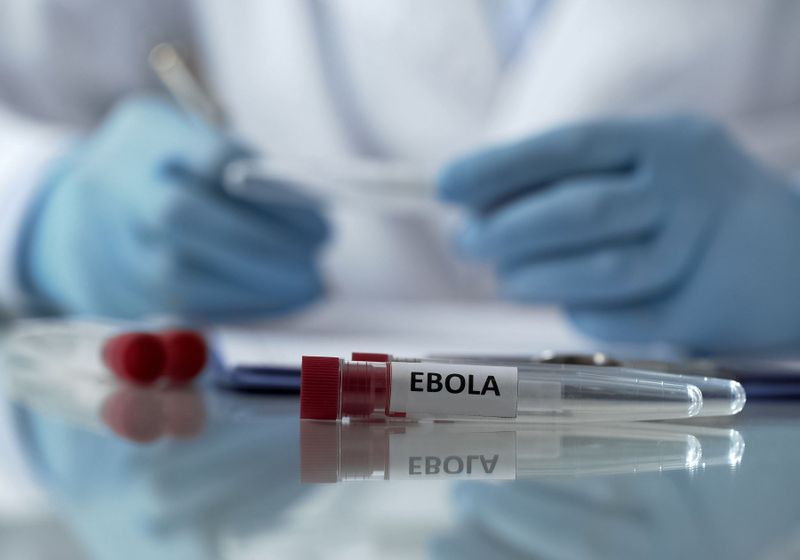
According to Prof. Bolten reductions in international assistance have weakened the ability of countries such as DR Congo to respond effectively to health emergencies.
“The cuts to USAID and the withdrawing of money from WHO that happened as soon as Trump went back into office, that’s also hurting this effort.”
Prof. Catherine E. Bolten
According to Prof. Bolten, development aid does more than just give emergency help; it also promotes basic systems such as healthcare delivery, water availability, and community resilience, which are crucial during epidemics.
She added that the absence of such support has removed important infrastructure that could have strengthened the country’s ability to fight the outbreak.
Economic Pressure and the Challenge of Containment
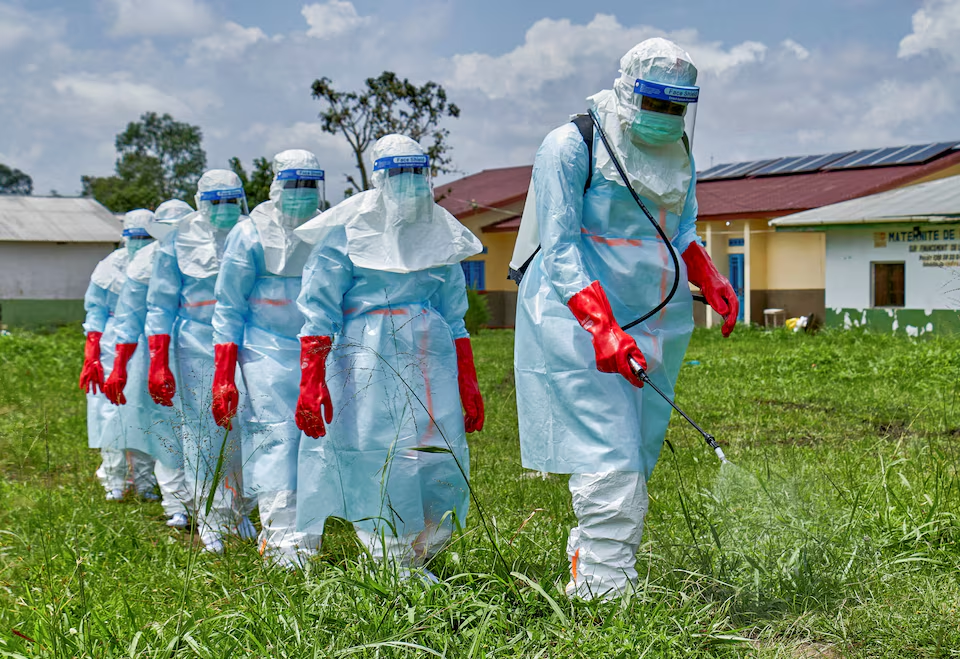
In addtion, Prof. Bolten cautioned that Ebola outbreaks cause economic difficulties in addition to public health issues, particularly in nations where a large number of people rely on unofficial labour to survive.
She clarified that containment strategies must take into account the everyday reality of communities, pointing out that individuals cannot just quit their jobs without assistance.
Strict quarantine regulations frequently fail when governments fail to support impacted communities, according to Prof. Bolten.
She recalled the West African outbreak in Sierra Leone, where people’s fear of losing their jobs led to unforeseen effects from mobility restrictions.
She urged that governments must provide communities with basic necessities like food, water, and communication in order for containment to be successful.
Looking beyond the DR Congo, Prof. Bolten urged African countries to strengthen preparedness systems before outbreaks occur.
According to her, African countries must improve border monitoring, especially at major entry points, while ensuring that health responses are built around trust and cooperation.
READ ALSO: Chef Abbys Unveils West Africa Food Tour After Ghana Success