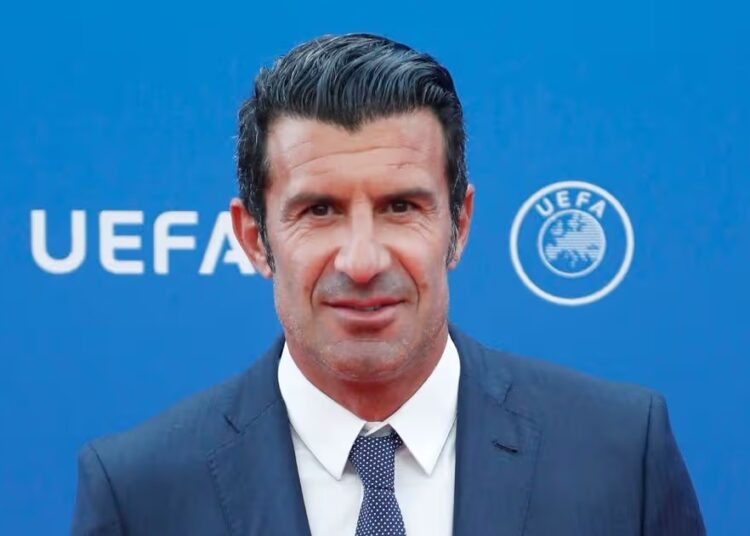
UEFA Football Advisor Luis Figo has called on FIFA President Gianni Infantino to resign, launching a blistering attack on the Swiss-Italian football administrator in the aftermath of FIFA’s abandonment of his FIFA Forward Enterprise (FFE) proposal.
The former Portugal captain accused Infantino of damaging football’s reputation through his leadership, following widespread opposition to plans that would have allowed private investors to acquire a stake in the commercial rights of the FIFA World Cup and other FIFA competitions.
The proposal was ultimately withdrawn after fierce resistance from several stakeholders and confederations, with UEFA leading the opposition. CONCACAF and the Asian Football Confederation (AFC) also voiced strong concerns over the governance, transparency and long-term implications of the project.
While CAF and CONMEBOL initially backed FIFA’s decision to withdraw the proposal in an effort to restore unity within world football, the controversy has continued to generate criticism from some of the game’s biggest figures.
Among the most outspoken has been Figo, one of football’s most decorated former players, who believes the failed proposal has irreparably damaged Infantino’s credibility as FIFA president.
The Portuguese legend, who enjoyed an illustrious playing career with Sporting CP, Barcelona, Real Madrid and Inter Milan, did not hold back as he questioned Infantino’s leadership and urged him to leave office.
Figo Delivers Damning Verdict
Figo described the events surrounding the proposal as the worst example of football politics he has witnessed. “I’ve met some rogues in my time, but over the last 10 days I’ve seen the lowest, most deceitful and cravenly self-interested behaviour I’ve ever seen,” he noted.
The Ballon d’Or winner argued that Infantino no longer represents the future of the global game that the FIFA President “is a relic of the game’s past and he should have no part in its future.”
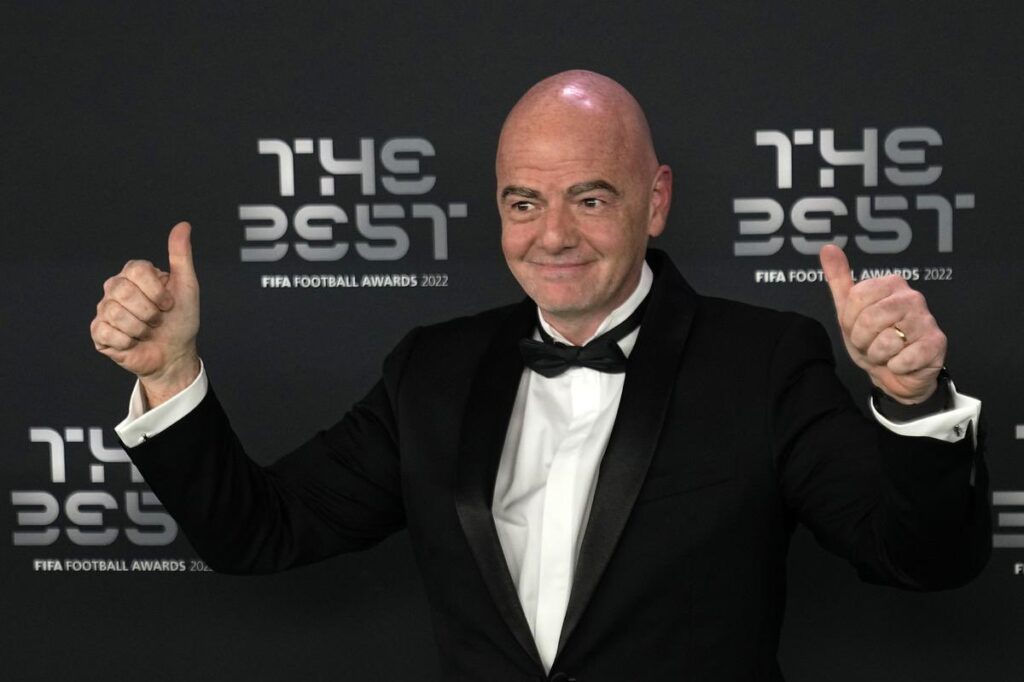
Figo also accused the FIFA president of repeatedly harming football’s image during his tenure arguing that “he has inflicted a litany of abuses on football’s reputation,” before describing the proposed commercial restructuring as “a grubby underhand plot.”
His strongest criticism was reserved for Infantino’s stewardship of football’s governing body.
“He has debased the office of the FIFA president.It’s too late to save his own dignity, but it’s not too late to save football. He should go now.”
Luis Figo
Fallout from the FFE Controversy
The FFE proposal sought to establish a new commercial entity that would manage the business operations of FIFA’s flagship competitions, including the FIFA World Cup. Under the plan, FIFA intended to sell a minority stake of more than 20 percent in the enterprise to private investors to raise billions of dollars for football development.
Infantino argued that the initiative would generate significantly greater financial returns for FIFA’s 211 member associations through enhanced development funding. However, critics warned that introducing private equity into the governance of football’s most valuable competitions risked compromising the sport’s independence and long-term interests.
UEFA emerged as the most influential opponent, describing the proposal as unacceptable and warning that football’s crown jewels should not become commercial assets controlled by outside investors. CONCACAF and the AFC echoed those concerns, creating significant pressure on FIFA ahead of a planned vote by member associations.
With growing divisions threatening to fracture the global game, FIFA eventually abandoned the proposal before it reached the voting stage. CAF and CONMEBOL subsequently supported the decision to withdraw the plan, calling for unity among football’s governing bodies.
Figo’s intervention reflects the depth of dissatisfaction among influential figures within European football. His stature as one of the game’s greatest players gives added weight to the criticism, particularly as someone who has experienced football at the highest level both on and off the pitch.
Whether his call for Infantino’s resignation gains wider political backing remains uncertain. FIFA still retains strong support from many member associations, particularly those that have benefited from expanded development funding in recent years.
Nevertheless, the collapse of the FFE proposal has exposed significant divisions within football’s leadership and raised fresh questions about FIFA’s governance.
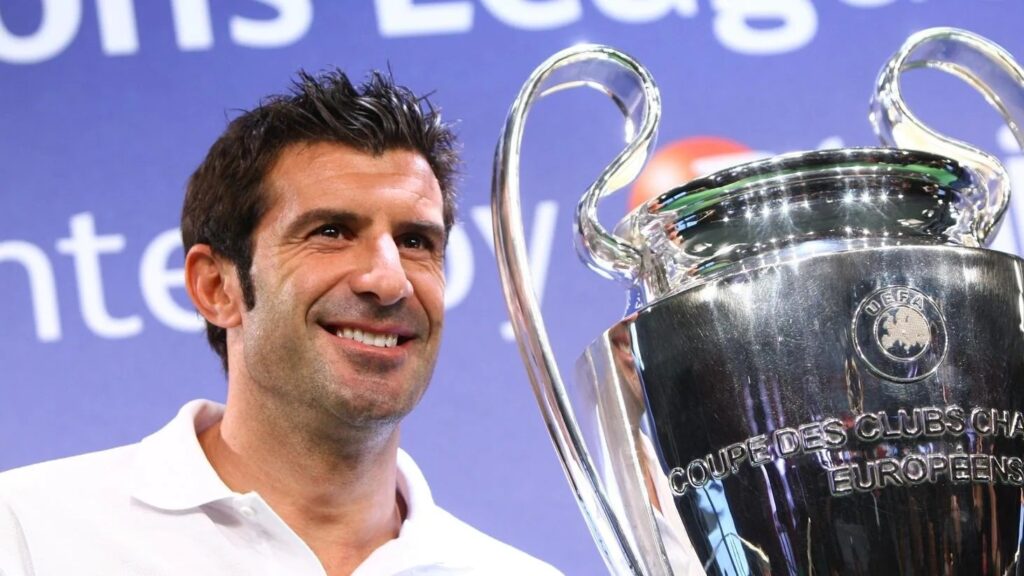
For many observers, the controversy extends beyond one failed commercial project. It has become a debate about trust, transparency and who should ultimately control the future of the world’s most popular sport.
Figo’s remarks ensure that, even after the proposal’s withdrawal, the pressure on Infantino is unlikely to subside anytime soon.
READ ALSO: WAEC Denies Separate Marking Scheme for Private School Candidates