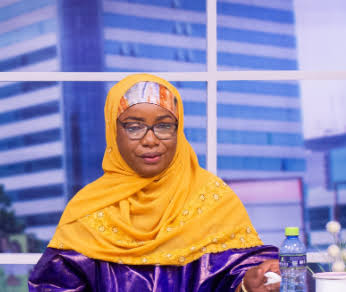
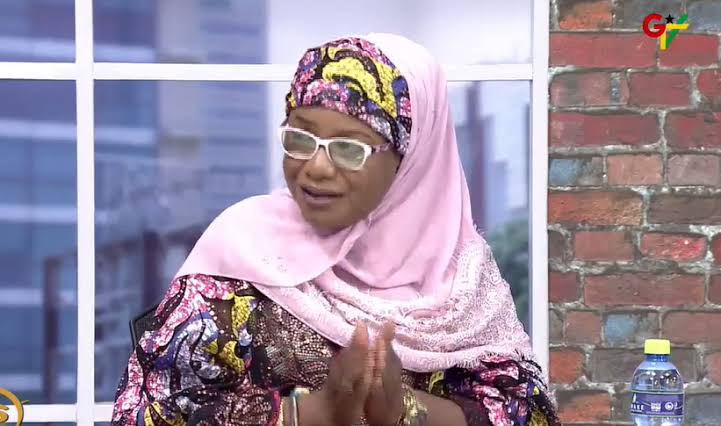
Former Acting Chairperson of the Convention People’s Party (CPP), Hajia Mamdatu Ibrahim, has called for a full forensic audit into the administration of Ghana’s scholarship schemes, following revelations of excessive spending on beneficiaries sent to study in the United Kingdom under the previous administration.
Speaking on the matter, Mad. Hajia Ibrahim disclosed that she had reviewed documents relating to several cases in which individuals awarded scholarships to pursue postgraduate programmes in the UK travelled with their spouses and children at the expense of the state, with the Ghana Scholarships Authority reportedly funding premium visa fees, flight tickets, and vaccination costs for accompanying family members.
She argued that such spending represents a significant drain on public resources at a time when Ghana, as a developing country, can ill afford to fund non-essential travel costs for the relatives of scholarship beneficiaries rather than channelling those resources more directly into education and development.
Mad. Ibrahim raised concerns about how beneficiaries of these scholarships are selected, arguing that the process appears to disproportionately favour individuals from privileged or well-connected backgrounds rather than those from underserved communities who may have greater need for such support.
“If you look through the books, you see that it is the affluence in the society who are getting the scholarship.”
Mad. Hajia Ibrahim
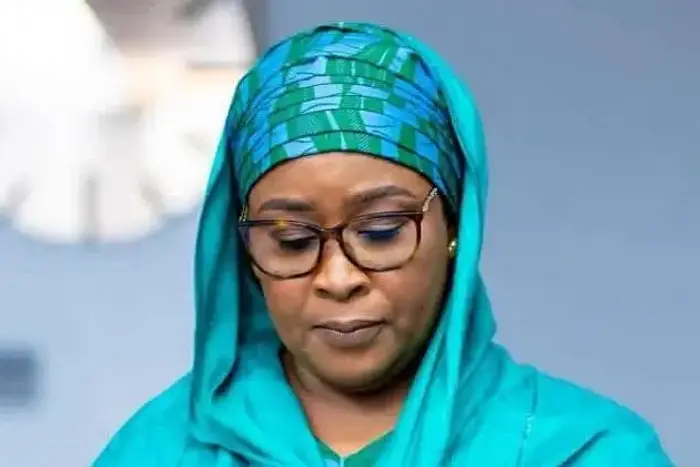
She questioned why courses that could be studied locally, citing programmes such as business administration available at institutions like the University of Ghana Business School, were instead being funded for study abroad, suggesting that such decisions reflect favouritism rather than genuine need or academic necessity.
Family Members Should Not Travel At State Expense
Hajia Ibrahim was particularly critical of the practice of funding travel and related expenses for the spouses and children of scholarship beneficiaries, arguing that such costs fall outside the legitimate scope of what a scholarship should cover.
She argued that genuine scholarship beneficiaries should be prepared to spend their study period abroad independently, noting that many qualified Ghanaians actively searching for scholarship opportunities never receive them, making it all the more troubling that state resources are being extended to cover family travel for a select few.
Call to Name, Shame, And Recover Funds
Hajia Ibrahim called for accountability measures to be taken against those found to have benefited improperly from the scheme, insisting that affected individuals should be named publicly and required to refund the funds expended on their behalf.
She also called for scrutiny of those responsible for facilitating or approving such arrangements, arguing that accountability should extend beyond the beneficiaries themselves to those who enabled the spending.
She further questioned why there had been little public accounting of whether beneficiaries of past scholarships had fulfilled any post-study obligations to the state, suggesting that transparency around outcomes has been largely absent from public discourse on the issue.
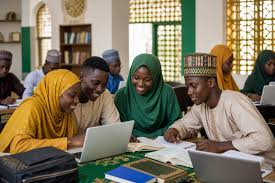
Beyond the specific UK cases raised, Hajia Ibrahim extended her criticism to other scholarship schemes, including those funded through cocoa proceeds, questioning whether the children of cocoa farmers, the very group such schemes are ostensibly meant to benefit, are actually the ones receiving these opportunities.
Her remarks suggest a broader pattern of concern about whether scholarship programmes across the board are reaching their intended beneficiaries.
Call for Formal Reporting Process
Responding to the concerns raised, another contributor to the discussion pressed for greater accountability in how such allegations are pursued, questioning whether the concerns had been formally reported through appropriate channels rather than simply discussed in media interviews.
She argued that raising such serious allegations through interviews alone was insufficient, insisting that proper channels, including formal reporting to relevant authorities, needed to be used to ensure the matter received the scrutiny it deserved rather than remaining confined to public commentary.
The discussion touched on broader questions of national development priorities, with concerns raised about whether public funds directed toward what was described as excessive scholarship spending could instead be redirected toward pressing infrastructure needs across the country, including road development in underserved areas.
Call for Independent Verification
Central to the broader appeal was a call for a full forensic audit into the scholarship scheme to establish definitively whether beneficiaries genuinely qualified for the opportunities extended to them. Advocates for the audit argued that such a review would provide clarity on whether public funds had been properly allocated based on merit and need, rather than personal connections or influence.
Taken together, the concerns raised reflect a broader demand for transparency and accountability in how Ghana’s scholarship schemes are administered, selected, and monitored.
With calls now mounting for independent scrutiny, attention turns to whether the Ghana Scholarships Authority or other relevant government bodies will respond formally to the allegations, and whether affected individuals will be named and required to account for the funds expended on their behalf as part of any broader review of the country’s scholarship administration processes going forward.
READ MORE: KATH Calls on Government to Expedite Completion of Sewua and Afari Hospitals