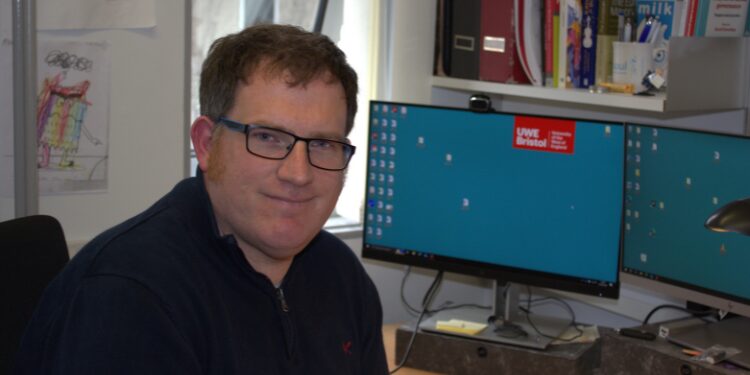
Nigel Farage has secured a commanding victory in the Clacton by-election, but what appears to be a major electoral breakthrough for Reform UK could ultimately expose the party to fresh political challenges, according to Dr Thom Oliver, Senior Lecturer in Politics at the University of the West of England, Bristol.
Nigel Farage won 63.34% of the vote to return to Parliament after triggering the by-election following his resignation as MP for Clacton. However, Dr Oliver argues that the electoral success should not be viewed in isolation from the circumstances that produced the by-election or the political consequences that have followed it.
In an interview with The Vaultz News, Dr Oliver indicated that “Nigel Farage won the election, but Reform UK may nevertheless have lost politically from the episode.”
“There was never much doubt that Farage was likely to return as MP for Clacton. He ultimately won comfortably, taking around 63% of the vote. But the more important question is why this by-election happened at all and what Reform gained from it.”
Dr Thom Oliver
The circumstances surrounding Farage’s resignation have become central to assessing the political significance of the contest. He stepped down while facing scrutiny over a reported £5 million gift from cryptocurrency billionaire Christopher Harborne and questions over whether the donation should have been declared.
The Parliamentary Commissioner for Standards reopened the investigation after Farage returned to Parliament, meaning his electoral victory has not removed the financial controversy that surrounded his resignation.
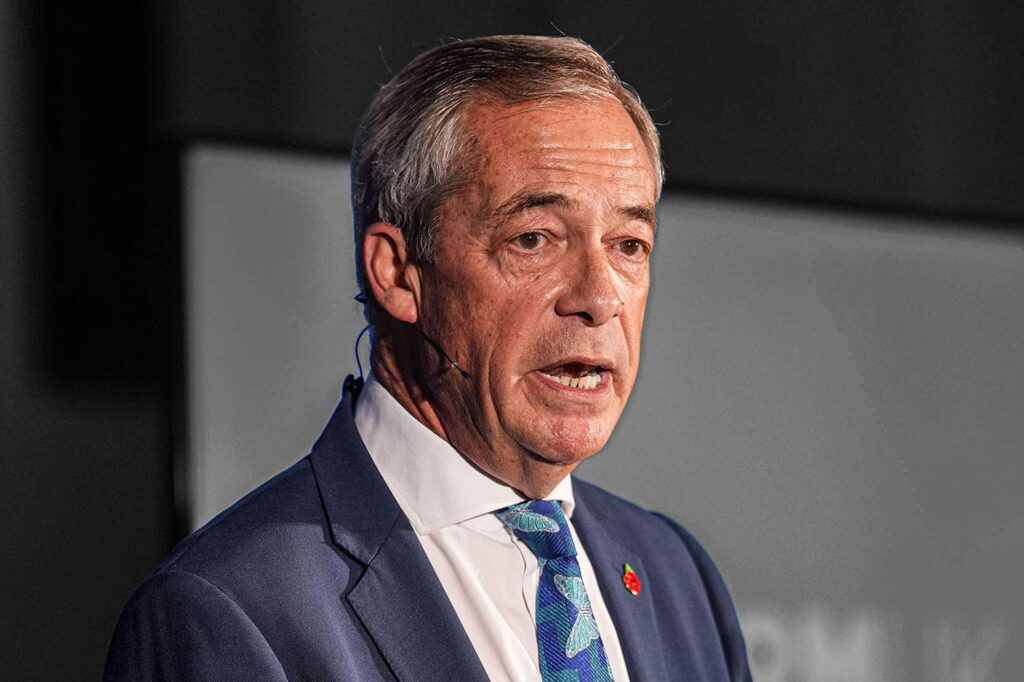
For Dr Oliver, this creates an important contradiction in the political narrative surrounding the by-election. Farage was able to present the contest as an opportunity to seek a fresh democratic mandate, but the outcome has not brought the underlying investigation to an end.
“The election temporarily interrupted the parliamentary standards investigation because Farage was no longer an MP. But his victory has simply returned him to Parliament and the investigation has now resumed.”
Dr Thom Oliver
The renewed scrutiny, he argues, raises questions about whether triggering the by-election was an effective political strategy.
“In that respect, I think the by-election can reasonably be regarded as a significant strategic misstep. If one purpose was to escape, delay or politically overshadow the controversy surrounding his finances by securing a renewed democratic mandate, it has not made the underlying issue disappear. Farage is back in the Commons, but so too is the investigation.”
Dr Thom Oliver
According to the assessment, electoral success and strategic political progress are not necessarily the same thing. Farage’s strong performance confirms his ability to mobilise voters, but Dr Oliver contends that Reform UK may have given up important national opportunities in its pursuit of victory.
Farage’s Clacton Victory Comes at a Cost for Reform UK
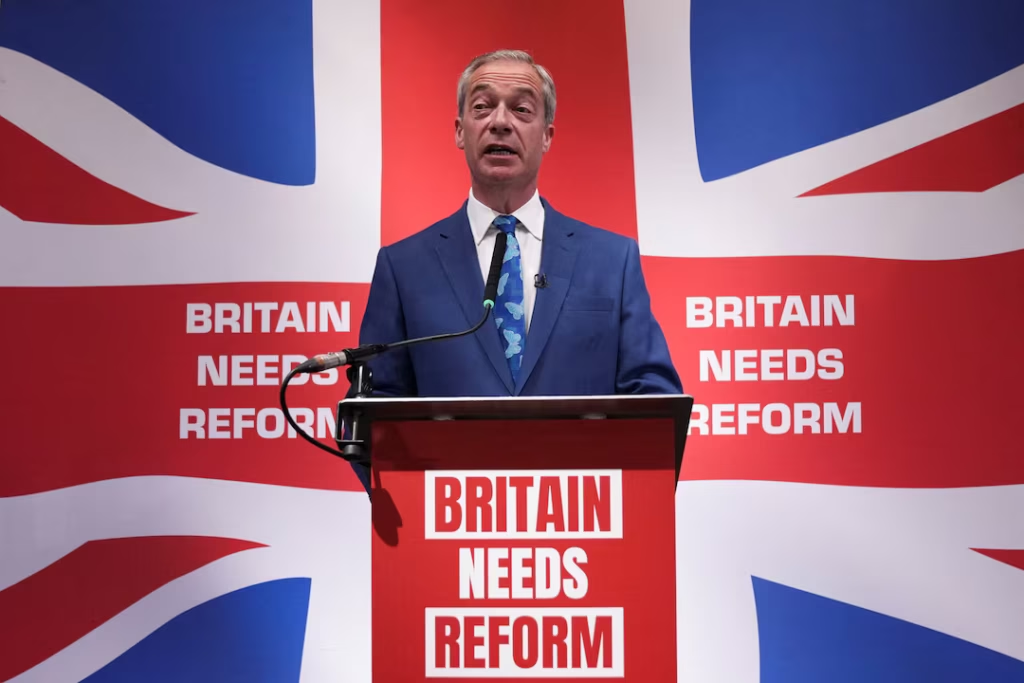
According to Dr Oliver, one of the most significant consequences of the Clacton contest was the amount of political attention Reform UK devoted to a seat where Farage was already overwhelmingly expected to win.
“There was also an opportunity cost for Reform. For several weeks the party’s most recognisable figure and strongest electoral asset was fighting what was essentially a confected by-election in a seat he was overwhelmingly expected to retain.”
Dr Thom Oliver
The timing, he argues, was particularly significant because Britain had recently acquired a new Prime Minister, creating an opportunity for Reform to establish itself as a force capable of challenging the government on national issues.
That political space, he suggested, may have benefited Prime Minister Andy Burnham, who has so far enjoyed what Dr Oliver describes as a political honeymoon.
Labour has recovered sufficiently to move narrowly ahead of Reform in some recent national polling after Reform had led for a considerable period.
However, Dr Oliver cautioned against attributing that movement directly to Farage’s absence.
“I would be cautious about claiming that Farage’s Clacton campaign caused that change, national polling movements have multiple causes, but his relative absence from the national political frontline arguably gave Burnham valuable space in which to establish his premiership.”
Dr Thom Oliver
Therefore the result, according to Dr Oliver presents an intriguing contrast between the immediate electoral outcome and the wider political consequences.
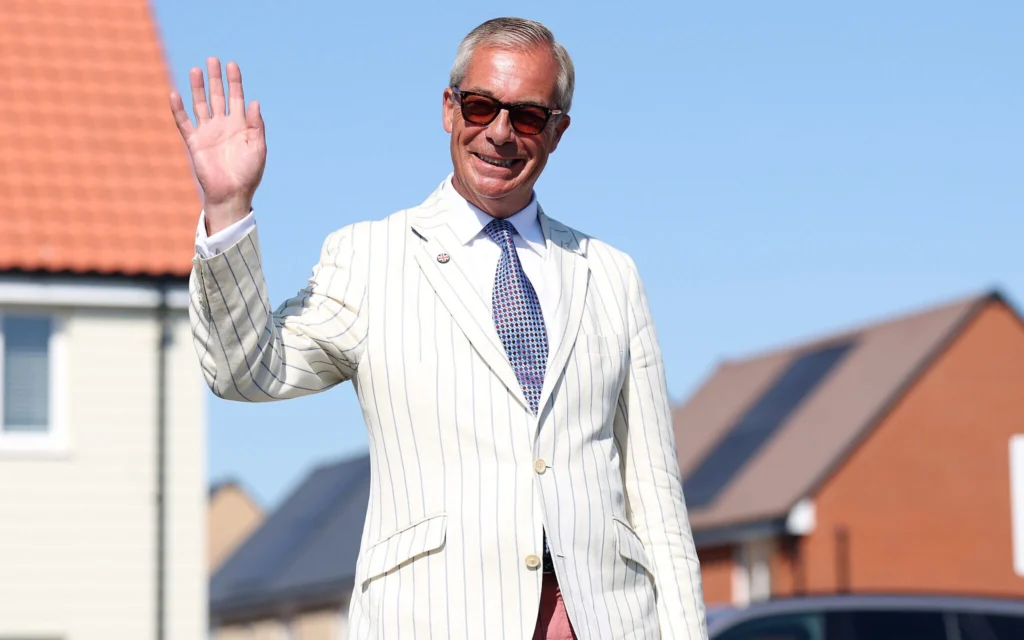
“Electorally, Farage demonstrated that his personal support in Clacton remains substantial. Politically, however, he has ended up almost exactly where he began: MP for Clacton, leading Reform UK and facing renewed scrutiny of his financial affairs except that Labour is now in a somewhat stronger national polling position.”
Dr Thom Oliver
Dr Oliver further indicated that, beyond the electoral result, Reform UK’s greater challenge may be its reliance on Farage as the party’s central political figure.
Dr Oliver believes the Clacton contest “demonstrates both the strengths and weaknesses of Reform UK’s highly personalised politics.”
“Farage remains an extraordinarily effective political communicator and electoral campaigner, and his Clacton result demonstrates that he retains a substantial personal following. But when so much of a party’s political identity and strategy revolves around one individual, that individual’s difficulties inevitably become the party’s difficulties too.”
Dr Thom Oliver
The next challenge for Farage, therefore, extends far beyond Clacton.
His victory has confirmed that he remains electorally potent in the constituency, but Dr Oliver believes the real test will be whether Reform can translate that personal support into sustained national momentum.
READ ALSO: Cameroon Cruise Past Malawi to Win First WAFCON Trophy