Russia has threatened the United Kingdom with unspecified “consequences” after accusing Britain of becoming increasingly involved in Ukraine’s long-range drone campaign against targets deep inside Russian territory, escalating tensions between Moscow and London as the war enters another dangerous phase.
The warning followed confirmation that British-made drones have been used by Ukrainian forces in a series of attacks targeting Russian military and industrial infrastructure, including fuel facilities, warehouses and other strategic sites.
Russia has accused the British government of deliberately deepening its involvement in the conflict and warned that London would face a greater price the more directly it becomes involved in Ukraine’s war effort.
According to the Russian Embassy in UK, Britain was “deliberately opting for an escalation of the Ukraine crisis,” arguing that the provision of weapons and technology capable of striking targets inside Russia had transformed UK from a supporter of Ukraine into an active participant in the conflict.
“London’s actions will inevitably carry consequences for which it will have to answer,” the embassy stated, adding that the deeper Britain’s involvement became, “the higher the price it will pay.”
The statement represents another sharp deterioration in relations between Russia and UK, which have remained deeply strained since Russia launched its full-scale invasion of Ukraine in February 2022.
Britain has been among Ukraine’s most prominent military and political supporters since the beginning of the war, providing weapons, training and financial assistance as Kyiv seeks to repel Russian forces and regain territory seized during the conflict.
The latest dispute centres on drones produced by two British companies that have increasingly featured in Ukraine’s campaign to strike targets far beyond the front lines.
A military source confirmed that UK-made drones had been used in attacks against Russian targets, while Ukrainian forces have significantly increased the number of unmanned aerial vehicles deployed against Russian territory in recent days.
Among the targets have been facilities belonging to Wildberries, one of Russia’s largest online retailers. Ukrainian authorities have repeatedly targeted the company’s logistics network, claiming that seven of its 10 largest logistics centres have been “disabled.”
According to reports, the attacks have caused billions of pounds in economic damage, with estimates putting the impact at more than £35 billion.
Russia has responded by strengthening air defences around major cities and strategic facilities while accusing Western governments of providing increasingly sophisticated capabilities to Ukraine.
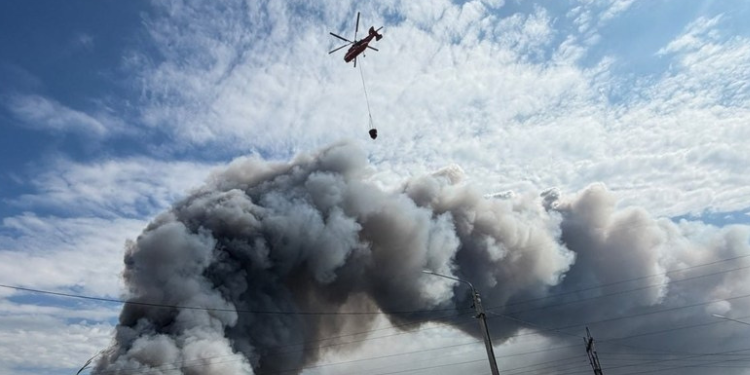
Russian Foreign Ministry spokeswoman Maria Zakharova has specifically alleged that drones using British components and configurations were involved in attacks against Russian territory, including a fuel depot in the Kamensky District of the Rostov Region.
Britain, however, has rejected the suggestion that its support for Ukraine represents an escalation for which Russia can hold United Kingdom responsible.
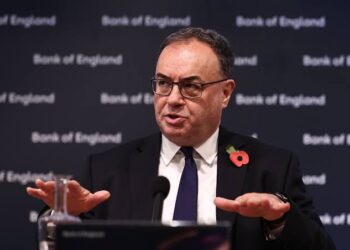
A spokesperson for UK Ministry of Defence indicated that Britain remained firmly committed to supporting Ukraine.
“Russia should be in no doubt about the resolve of this Government to stand against Russian aggression, in Ukraine and against the UK and our allies.”
Spokesperson for UK Ministry of Defence
The official added that Britain was “committed to providing the equipment Ukraine needs to defend itself against Russian President Vladimir Putin’s illegal invasion.”
Ukraine Escalates Drone War With Record Wave of Attacks on Russia
The latest diplomatic confrontation comes amid an unprecedented escalation in the use of drones by Ukraine against targets inside Russia.
In one of the most significant recent attacks, Ukrainian forces reportedly launched about 822 drones towards Russia, with approximately 600 reportedly directed toward Moscow.
The scale of the attacks prompted regional authorities to describe it as one of the most massive drone attacks in recent memory. Russian air-defence systems were activated across several regions as authorities attempted to intercept the incoming aircraft.
Seven deaths were reported across Russia following the attacks, while several people were also wounded.
Moreover, Russian officials reported another major wave of Ukrainian drones. Authorities said approximately 620 drones had been directed toward the region surrounding Moscow, with Russian air defences destroying more than 180 of them.
Despite the interceptions, several people were reportedly wounded.
The attacks followed another strike in which nine people were killed and 23 injured, including a child, further intensifying pressure on Russian authorities to protect civilians from the expanding drone campaign.
While Ukraine has increasingly targeted Russian territory, Moscow has continued its own devastating attacks against Ukrainian cities and infrastructure.
On the same night Ukrainian drones struck Russia, Russian attacks on Ukraine reportedly killed at least seven people and injured more than 39.
The exchange demonstrates how the conflict has increasingly moved beyond conventional battlefield engagements, with both sides relying heavily on drones to strike military infrastructure, industrial facilities and strategic targets.
Meanwhile, UK has further strengthened Ukraine’s drone capabilities through its own military assistance programmes. In April, the Ministry of Defence announced plans to supply Ukraine with tens of thousands of drones, including long-range strike systems, describing the package as its largest ever provision of drones to Kyiv.
The scale of that assistance has increased scrutiny of Britain’s role in the conflict and provided Moscow with another basis for accusing London of becoming directly involved in Ukraine’s attacks.
Yet British officials maintain that Russia remains responsible for the war and that Ukraine must be equipped to defend itself.
The dispute over British-made drones therefore reflects a broader strategic confrontation between Moscow and Western governments over the limits of military support to Kyiv.
Russia has repeatedly warned Western countries against supplying weapons that can be used against targets on Russian territory, while Ukraine has argued that restricting its ability to strike military infrastructure inside Russia would give Moscow an advantage in a war that was launched against Ukrainian territory.
The latest Russian warning raises the possibility of further diplomatic or other retaliation against Britain, although Russia has not specified what “consequences” it intends to impose.