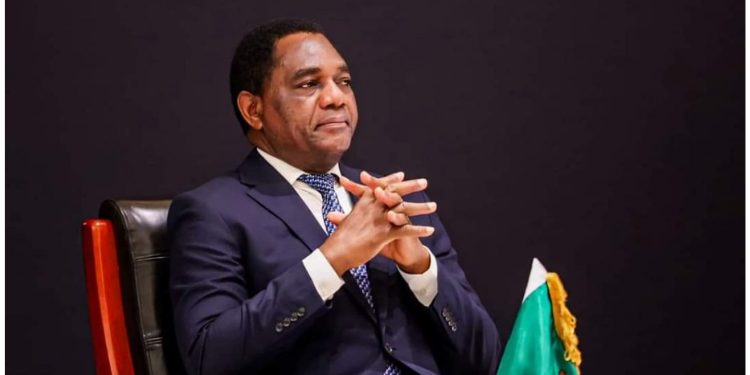
Zambia’s President Hakainde Hichilema has secured a second term in office after winning roughly 60% of valid votes, but the result has also highlighted growing public frustration over economic hardships that have persisted despite improvements in the country’s broader economic outlook.
Results released by the Electoral Commission of Zambia showed Hichilema comfortably ahead of his main challenger, Brian Mundubile, who secured about 38% of the vote in his first attempt to become president.
The result gives Hichilema another five years to pursue his economic agenda and consolidate the reforms launched after he came to power in 2021, when Zambia was struggling with a severe debt crisis and the economic disruption caused by the COVID-19 pandemic.
However, Mundubile’s unexpectedly strong performance provides an important political signal. While Hichilema entered the election with the advantages of incumbency and a record of improving several key macroeconomic indicators, the opposition campaign successfully tapped into dissatisfaction among citizens who say improvements in national economic statistics have not translated into meaningful changes in their everyday lives.
The election marked Hichilema’s sixth attempt at the presidency, highlighting the protracted political process that led to his eventual triumph in 2021. The 64-year-old president went into this year’s election hoping to improve on his first-term record and persuade people that the economic policies of his government were starting to pay off.
In contrast, Mundubile was running for president for the first time. His campaign aimed to refute the government’s economic narrative by claiming that despite macroeconomic indications of recovery, average Zambians still had to deal with harsh living conditions.
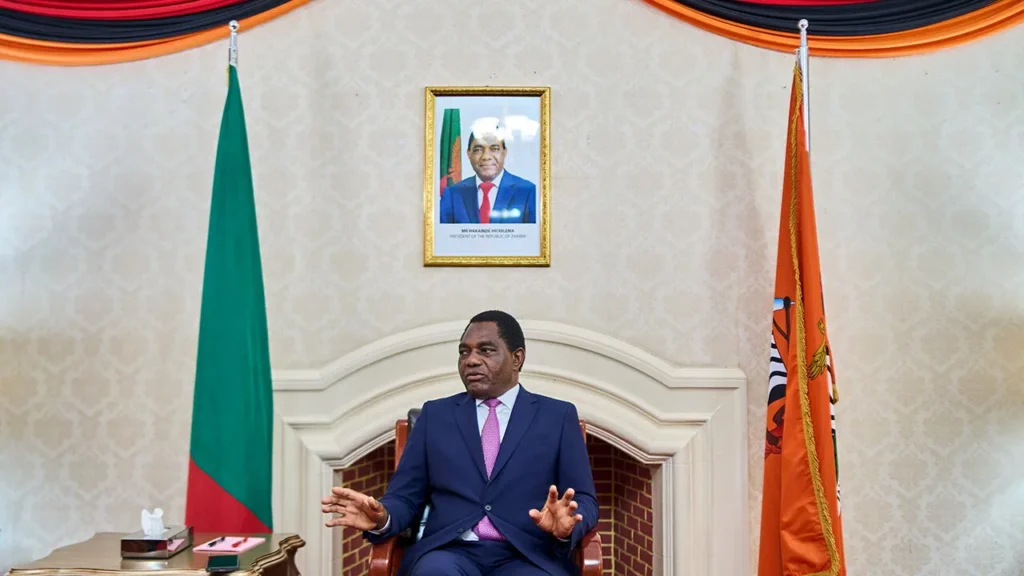
One of the election’s defining themes was that contrast. Hichilema saw the vote as a chance to win popular support for his management of Zambia’s economic crisis and his attempts to rebuild the nation’s financial reputation. The opposition saw it as a chance to show that household earnings, employment prospects, and the cost of living must eventually reflect economic recovery as measured by metrics like debt restructuring and investment flows.
The outcome indicates that although Hichilema is still firmly in charge of Zambia’s political system, a sizable portion of voters are still not persuaded that the nation’s economic recovery has substantially enhanced their quality of life.
Zambia’s economic and strategic relevance goes transcend its domestic politics. As one of Africa’s leading copper producers, the country has grown in importance in the worldwide competition for essential minerals required for energy transition and innovative technology.
Zambia’s mineral richness has made it a target of increasing competition from China and the United States, both of which are pursuing greater economic and strategic ties with African countries that possess vital mineral resources.
Hichilema’s second term may thus have ramifications beyond Zambia’s borders, particularly as the government strives to attract investment, grow mineral output, and position the country as a key participant in global essential resource supply chains.
Opposition Questions Vote Count as Election Aftermath Fuels Tensions
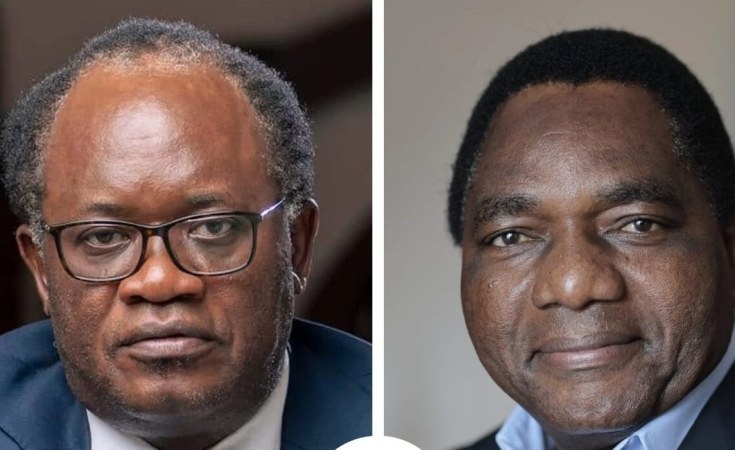
The relatively calm atmosphere that characterised much of the campaign period changed rapidly after voting began on August 13, with tensions escalating as the results process got underway.
On election night, authorities arrested 11 people, including prominent opposition figures, during a raid that involved an exchange of gunfire. Mundubile was present during the incident, adding to concerns about the increasingly tense political environment.
The following day, the Electoral Commission of Zambia suspended vote counting for several hours after reports of violence against polling staff and the theft of ballot papers.
The disruption added another layer of uncertainty to an election already being closely watched for signs of political confrontation.
Mundubile subsequently raised concerns about the integrity of the results process, saying he had received information suggesting that results forms from polling stations could have been altered. He called for an urgent independent investigation into the allegations.
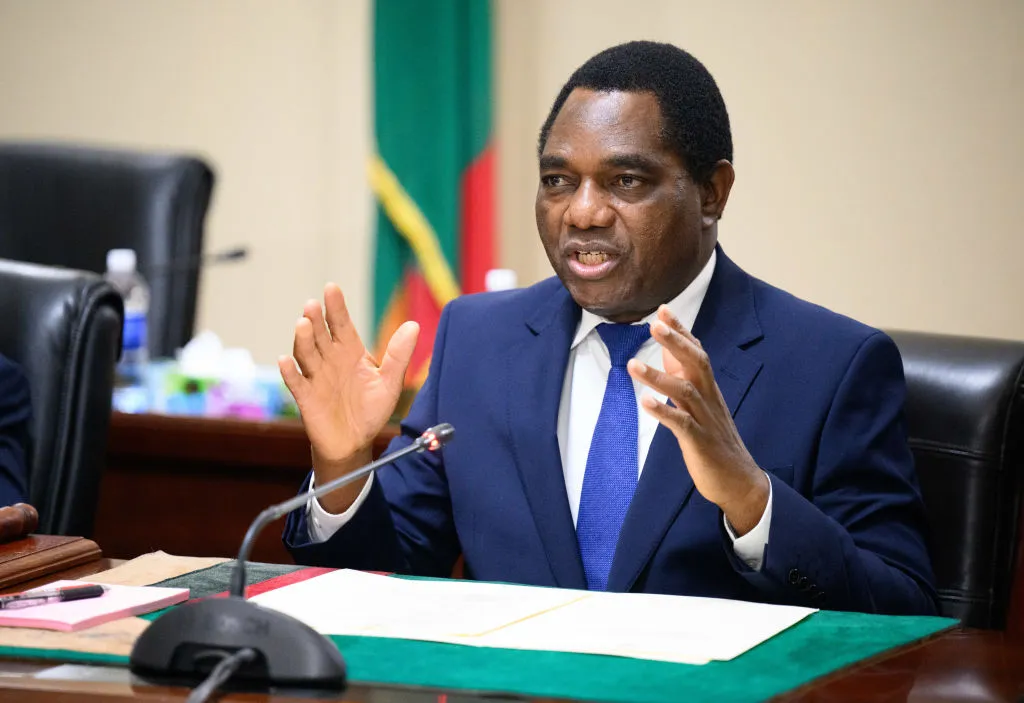
Hichilema’s camp denied the allegations and accused the opposition leader of fabricating information.
The dispute has increased the possibility of a legal challenge, as the opposition considers its response to the announced results. However, analysts feel that any challenge will face enormous barriers and that a successful legal reversal of the outcome is doubtful.
Mundubile’s impressive performance gives him and his supporters a foundation for continued opposition to the ruling administration even as the presidential race concludes. His roughly 38% share in a first attempt at the presidency provides a sizeable political constituency and reflects significant discontent among sections of voters.
The focus for Hichilema now moves towards translating his second-term mandate into concrete economic and social gains. His government will have to navigate the difficult balance between implementing reforms and addressing public concerns over living standards. Ensuring continued investor confidence will be equally important as Zambia seeks to maximise the wider economic benefits of its mineral wealth.
READ ALSO: GoldBod CEO Hits Back at Minority Leader Over Goldbod Loss Claims