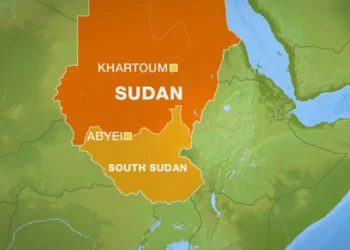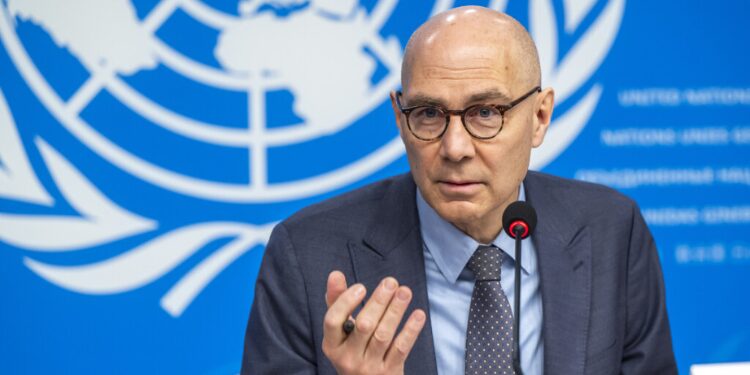
UN High Commissioner for Human Rights Volker Türk has renewed calls for an immediate ceasefire in Sudan, warning that civilians remain at “imminent” risk as fighting between the Sudanese Armed Forces (SAF) and the paramilitary Rapid Support Forces (RSF) intensifies across several regions of the country.
Addressing the UN Human Rights Council, Türk called for an end to attacks on civilians in “markets, hospitals and fuel stations,” as the conflict enters its fourth year and continues to deepen one of the world’s most severe humanitarian emergencies.
The war, which erupted between the SAF and RSF, has forced more than six million people from their homes within Sudan, while another 4.5 million have crossed the country’s borders in search of safety.
Volker Türk expressed particular concern over the deteriorating security and humanitarian conditions in Kordofan, Blue Nile, and North and West Darfur, where civilians face growing exposure to violence and displacement.
“There needs to be an immediate ceasefire, an end to foreign involvement, and a return to inclusive civilian rule”
Volker Türk
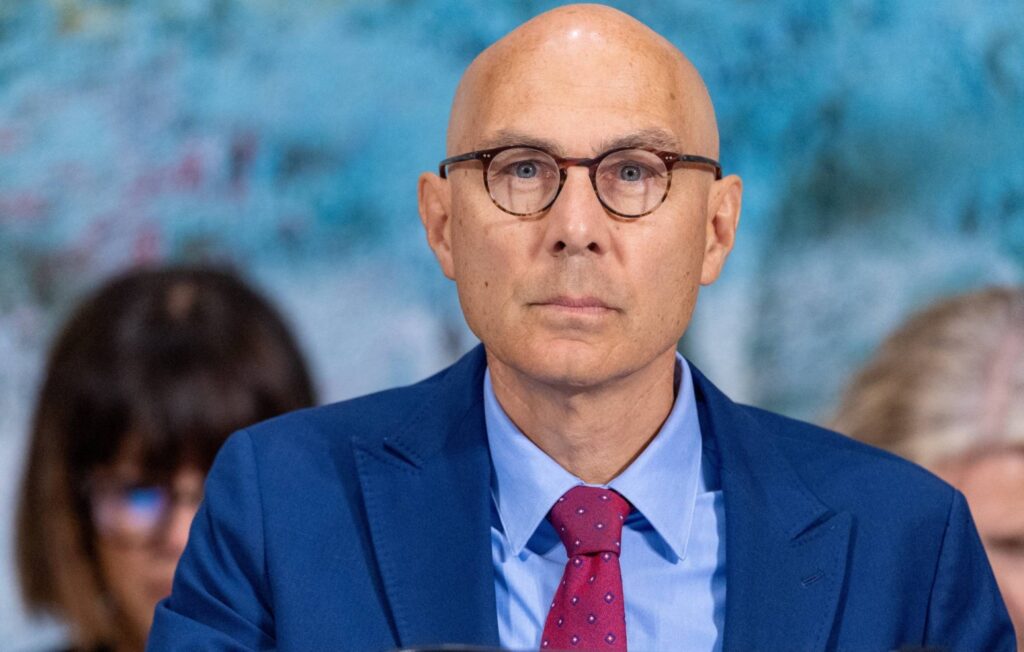
A new report by independent investigators appointed by the Human Rights Council has highlighted the increasingly devastating methods used by both sides of the conflict, including a growing reliance on long-range drones to strike civilian targets, prompting his appeal.
The report also pointed to significant alleged support for paramilitary fighters from “individuals and entities” in the United Arab Emirates, Chad, southeastern Libya and Puntland in Somalia, highlighting the increasingly regional dimension of the conflict.
Mohamed Othman, Chair of the Fact-Finding Mission for the Sudan, disclosed that both the SAF and RSF were increasingly relying on long-range drones, allowing attacks to reach areas well beyond established front lines.
The expanding use of aerial attacks has exposed civilians in places previously considered removed from active battle zones to a new and unpredictable threat.
Othman added that drone strikes had killed and injured civilians “in their homes, schools, hospitals, markets, displacement sites and places of refuge and while attending weddings, funerals and other community gatherings.”
The situation has been particularly serious in El Obeid city in North Kordofan, where access remains heavily contested, and the RSF has imposed a partial siege.
According to Othman, repeated RSF drone attacks have disrupted water, energy, and other essential civilian infrastructure, compounding the difficulties faced by residents already living under severe pressure.
The findings also point to the scale of violations committed by both sides.

The fact-finding mission documented successive RSF drone strikes on a kindergarten and a hospital in Kalogie, South Kordofan, which killed 114 people, including 60 children.
SAF attacks have also caused heavy civilian casualties, including strikes on Ad-Da’ein Teaching Hospital that killed at least 70 people.
“Based on the evidence gathered, we found reasonable grounds to believe that both the SAF and the RSF committed serious violations of human rights and international humanitarian law which may amount to war crimes.”
Mohamed Othman
The findings have added urgency to calls for an immediate halt to hostilities, particularly as attacks increasingly affect locations and services essential to civilian survival.
Healthcare System Bears Brunt of Sudan War
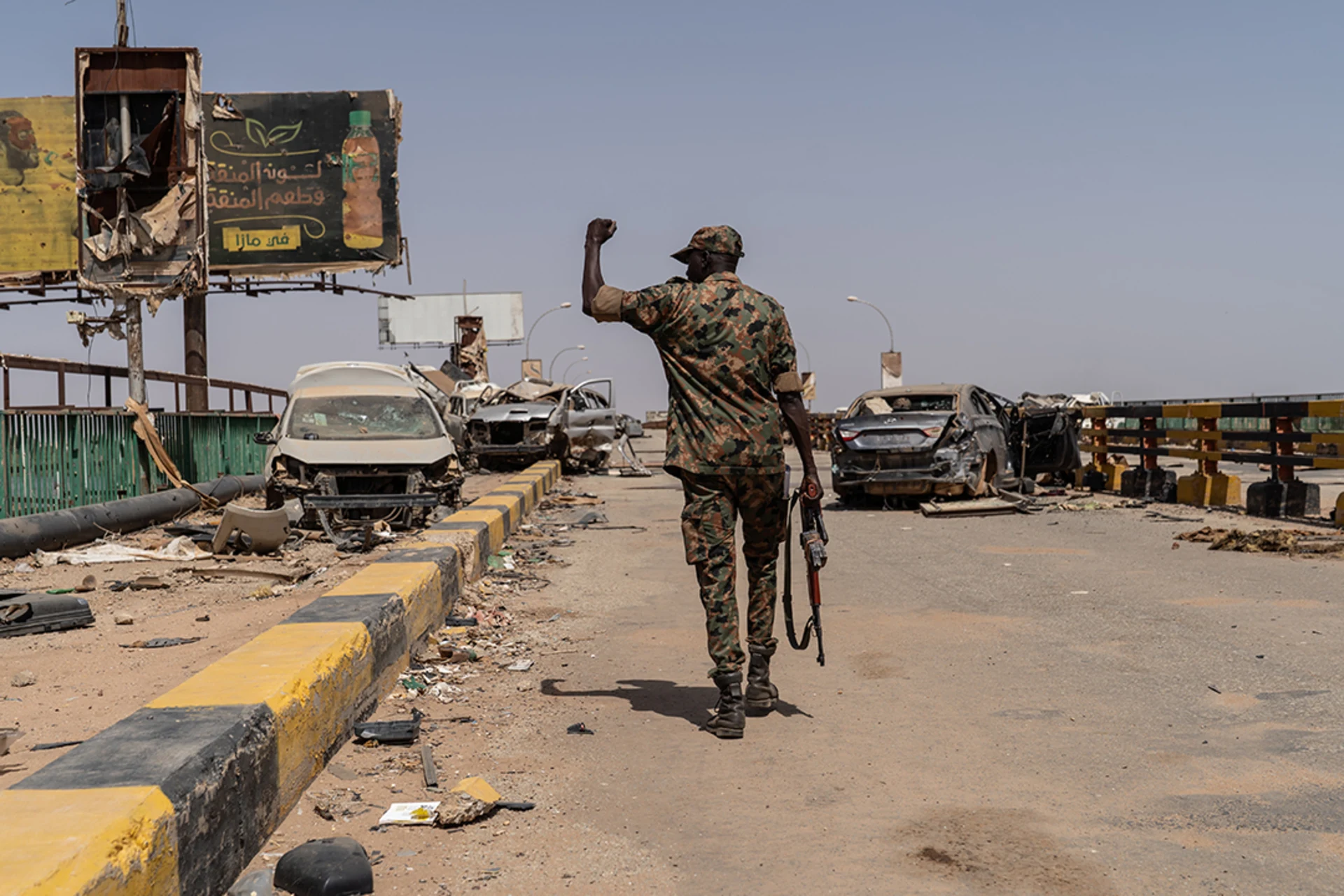
The destruction of civilian infrastructure has been particularly severe within Sudan’s healthcare system, with hospitals and medical facilities repeatedly damaged or rendered inoperable since the conflict began.
In a separate update from Khartoum, the World Health Organization (WHO) has reported that the devastation suffered by three major hospitals in the capital reflects a wider collapse of healthcare infrastructure across the country.
Before the war, Khartoum Teaching Hospital, the Ophthalmology Hospital and the Dental Hospital served as major referral and teaching institutions.
Today, their buildings and medical equipment have sustained extensive damage, leaving critical services severely constrained.
According to WHO Representative in Sudan, Dr Abdinasir Abubakar, “Operating theatres have been destroyed, imaging equipment lost and several wards have collapsed”
“Entire blocks and departments are out of service. The buildings need urgent structural repair before patients can be admitted safely.”
Dr Abdinasir Abubakar
The destruction has left healthcare workers attempting to provide treatment under extremely difficult conditions, often operating within the limited sections of facilities that remain usable.
Despite the scale of the damage, medical staff continue to provide care to patients in the parts of the hospitals that can still function.
Dr Abubakar appealed for assistance to repair what he described as “immense” damage, warning that restoring damaged facilities is essential to ensuring that critical health services can resume safely.
READ ALSO: Kane “Happy” to Be in Balon d’or Race, Mbappé Eyes Prestigious Accolade