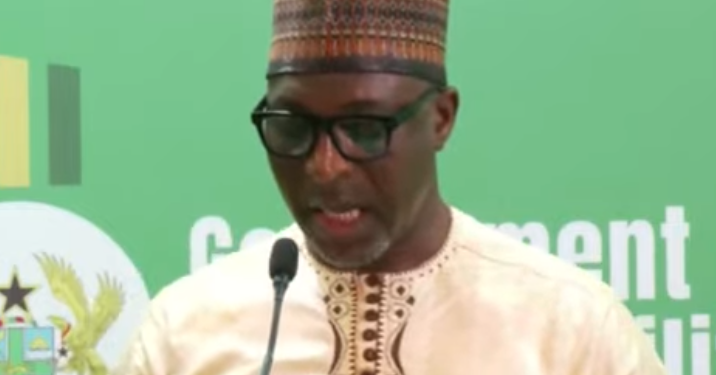
The Interior Minister, Honourable Muntaka Mohammed-Mubarak, has disclosed that Ghana’s fight against illicit drugs has intensified through arrests, prosecutions, narcotics seizures and public education programmes.
Speaking at the Government Accountability Series, he outlined measures undertaken by the Narcotics Control Commission and other security agencies to tackle drug trafficking while expanding prevention and rehabilitation support.
According to the Interior Minister, 217 arrests were recorded during the period under review, with 165 cases reaching the prosecution stage. He added that security agencies seized more than 8,500 kilograms of narcotic substances and intercepted about 45.4 million Tramadol tablets in operations targeting the illicit drug trade.

Honourable Mohammed Mubarak identified synthetic drug use among young people as a growing challenge requiring sustained intervention from law enforcement agencies and communities. He therefore commended the Director General of the Narcotics Control Commission and his team for strengthening collaboration with the police and other security institutions.
The enforcement strategy has also extended to the finances and property linked to suspected drug activities. A total of 73 tainted assets were recovered, while approximately 19 kilograms of gold connected to suspected drug money laundering cases were seized.
Financial investigations have also resulted in the restraint of about GH¢6.9 million and US$440,000 in cash associated with persons suspected of involvement in the narcotics trade. The Interior Minister indicated that such measures were intended to target the financial foundations of the trade alongside arrests and prosecutions.
Beyond enforcement, the Ministry has expanded public education to help people understand the consequences of substance use. More than 2,000 educational sessions were organised across basic schools, secondary schools, tertiary institutions, faith-based organisations, communities and workplaces.
The figures included 1,153 sessions at the first cycle level, 185 in secondary schools and 41 in tertiary institutions. A further 187 sessions were held in faith-based institutions, while 147 reached communities and 235 targeted other workplaces.
The education campaign, he noted, was designed to complement enforcement by equipping people with information on the harmful effects of drugs. Such interventions have also placed emphasis on early prevention, particularly among young people who remain vulnerable to substance misuse.
Rehabilitation As A Challenge To The Country
Rehabilitation has emerged as another area requiring institutional attention within the national response to drug abuse. The Interior Minister disclosed that Ghana currently relies heavily on privately operated facilities, including centres managed by non-governmental organisations and faith based groups.
“The painful thing is about rehabilitation. Our country doesn’t have its own rehabilitation center.”
Honourable Muntaka Mohammed-Mubarak
About 30 privately owned rehabilitation centres are being used to provide support to persons affected by substance use disorder. During the period, approximately 1,179 people received counselling while more than 800 Senior High School guidance and counselling coordinators were trained across the country.
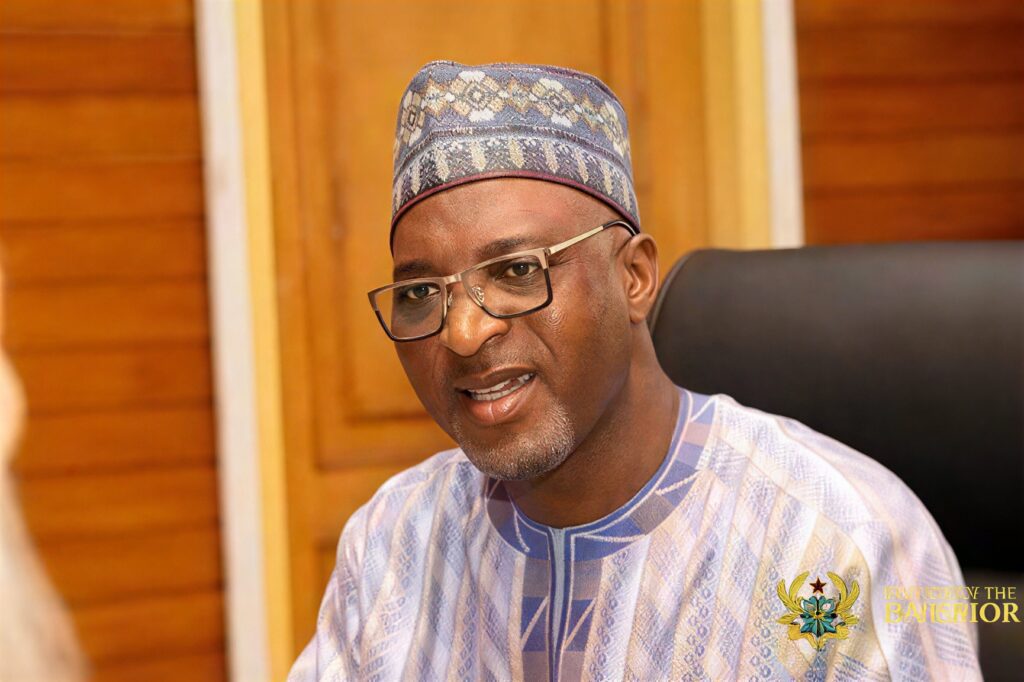
The training programme was intended to strengthen early identification and referral for people requiring assistance. It also formed part of efforts to improve access to treatment, rehabilitation and psychosocial support.
The Minister further indicated that the country’s response would require continued cooperation between state agencies, communities and institutions involved in prevention. He emphasised that tackling the drug trade requires enforcement alongside education and support for people affected by substance use.
Security Recruitment Expands As Government Boosts Operational Capacity
The Interior Ministry also outlined progress in security recruitment, youth employment support and the provision of operational vehicles to security institutions. The measures form part of efforts to strengthen the capacity of agencies responsible for protecting lives, property and national security.
Honourable Mohammed-Mubarak disclosed that the first batch of 10,000 recruits was undergoing training across the security services. The Ghana Police Service, Ghana Prisons Service, Ghana National Fire Service and Ghana Immigration Service have all received trainees under the exercise.
The ongoing process includes authentication of applicants to verify documentation and other requirements. Medical and administrative checks are being conducted as the authorities work through the large number of applicants involved in the recruitment exercise.
Addressing applicants who were unsuccessful in the first batch, the Minister explained that their records would remain available for consideration in subsequent recruitment exercises. He indicated that those who completed the medical process could be considered again when another intake begins, subject to the required procedures.
The recruitment drive has also been linked to wider efforts to address personnel shortages across the security services. Over the past 20 months, the government has partnered with the Youth Employment Agency to engage 22,000 Ghanaians to provide additional support.
Under the arrangement, 12,000 personnel were assigned to the police, while 5,000 were deployed to the Prisons Service and another 5,000 to the Fire Service. The arrangement is expected to provide temporary support while creating a pool of workers familiar with the operations of the security institutions.

The Minister explained that the agreement with the Youth Employment Agency covers a two-year period. Those who meet the requirements during future recruitment exercises could therefore receive priority consideration based on their experience within the services.
Investment In Logistical Services For Various Security Agencies
Alongside recruitment, the government has invested in vehicles and other logistical resources for security operations. The Interior Ministry reported that 272 pickups were distributed among various institutions to improve mobility and operational effectiveness.
“We keep saying that you can ask the security people to go out to protect you, but they need basic things.”
Honourable Muntaka Mohammed-Mubarak
The Ghana Police Service received about 160 vehicles while the Prisons Service received 30 pickups and an SUV. The Fire Service received 15 vehicles, the Immigration Service received 23 and the Narcotics Control Commission received 25.
Other institutions also benefited from the logistical support. About 13 vehicles were allocated to agencies including the Small Arms Commission, Refugee Board and Peace Council, while the Interior Ministry received about 15 vehicles for its own operations.
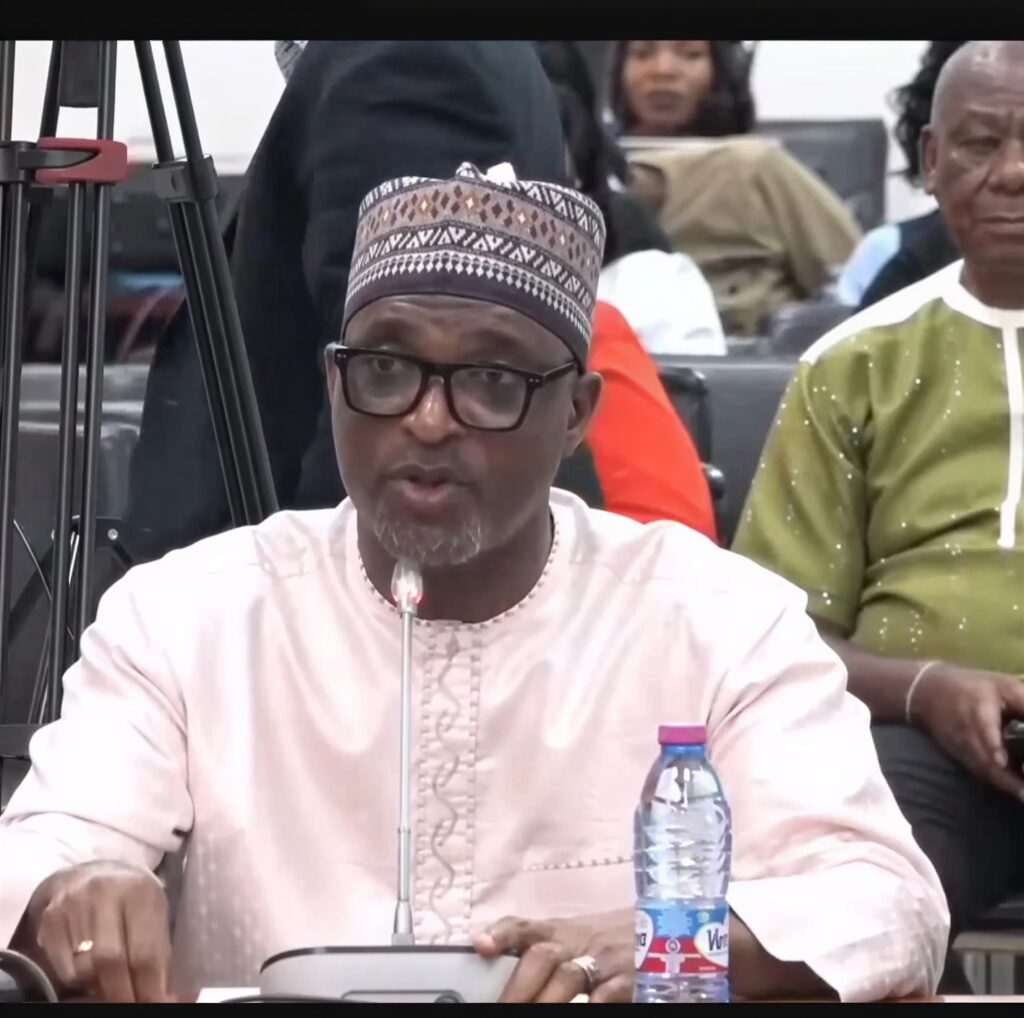
Transportation support has also been extended through the provision of buses for institutional duties. Within the Prisons Service, the vehicles are expected to support the movement of remand prisoners to court and the transportation of sick inmates to health facilities.
The Minister also acknowledged the role of President John Dramani Mahama and the Finance Minister in supporting the logistical expansion. He explained that effective security operations depend on personnel having access to basic equipment and reliable transportation.
Taken together, the recruitment, youth employment and logistical measures form part of a wider effort to strengthen Ghana’s security architecture. The Interior Ministry has linked these interventions to the need for adequately staffed and equipped institutions capable of responding effectively to national security demands.
The Minister also expressed appreciation to the various service commanders for managing the recruitment exercise despite its operational demands. He indicated that the government would continue working with the security institutions to improve their capacity and support their responsibilities.
READ ALSO: Ghana’s Energy Sector Gains Financial Relief, But Reliability Lags