Ghana’s headline inflation may have eased to 4.6% in July 2026, but the latest price data points to a less comfortable picture for energy consumers, with the housing, water, electricity, gas and other fuels category recording inflation of 8.3% during the month.
The figure means energy-linked household costs continued to rise at almost twice the pace of overall consumer prices, even as the national inflation rate declined from 5.3% in June.
The latest data from the Ghana Statistical Service therefore presents a divergence that is particularly important for the energy sector: broader price pressures are cooling, but energy-related costs remain comparatively sticky.
That distinction matters because energy sits underneath the cost structure of almost every productive activity.
Electricity and fuel prices affect manufacturing, transport, retail, agriculture, hospitality and small businesses, meaning persistent energy inflation can continue to influence operating costs even when headline inflation appears to be under control.
The July figures also show why the energy component deserves to be followed separately rather than treated as just another part of the consumer price basket.
Energy Prices Move Against Broader Inflation Trend
Ghana’s overall year-on-year inflation dropped by 0.7 percentage points in July, from 5.3% in June to 4.6%.
Month-on-month inflation was only 0.1%, indicating relatively limited movement in the overall consumer basket during the month.
Yet the housing, water, electricity, gas and other fuels category moved in the opposite direction.

Available analysis of the July CPI data puts the category at 8.3%, compared with 7.9% in June.
The category is broader than electricity alone. Ghana’s statistical classification includes actual housing rentals, maintenance and repair, water supply, electricity, gas and other household fuels.
That means the 8.3% figure should not be described as “electricity inflation” or “fuel inflation” by itself.
Still, the direction is significant for energy analysis because electricity, gas and household fuels form part of a wider cost environment that households cannot easily avoid.
The Ghana Statistical Service itself defines the category as covering price movements in housing, water supply, electricity, gas and other fuels.
Electricity Tariffs Add Pressure
Part of the energy-cost story can be linked to developments in the electricity market.
The Public Utilities Regulatory Commission approved a 3.49% increase in electricity tariffs from July 1, 2026, following its quarterly review of exchange-rate movements, inflation, the generation mix and the cost of natural gas used in thermal generation.
The tariff adjustment was applied across customer categories.
For example, the lifeline residential rate increased from 86.9000 pesewas per kilowatt-hour to 89.9315 pesewas, while residential consumers using more than 300 kilowatt-hours moved from 260.1481 pesewas to 269.2235 pesewas per kilowatt-hour.
The timing is important.
The tariff increase took effect at the beginning of the same month in which the latest CPI data recorded higher year-on-year inflation in the housing, water, electricity, gas and other fuels category.
That does not mean the entire 8.3% increase was caused by the July tariff adjustment. Inflation measures the change in prices over a 12-month period and the category contains several components.
However, the tariff movement demonstrates why energy costs can remain elevated even while broader inflation is falling.
Gas Costs Remain A Key Variable
Natural gas also remains central to Ghana’s electricity-cost equation.
PURC’s July tariff review used a weighted average cost of natural gas of US$7.9708 per MMBtu, down 1.58% from the previous review.
At the same time, the hydro-thermal generation mix used in the tariff calculation remained heavily weighted towards thermal generation, at 79.10% thermal compared with 20.90% hydro.
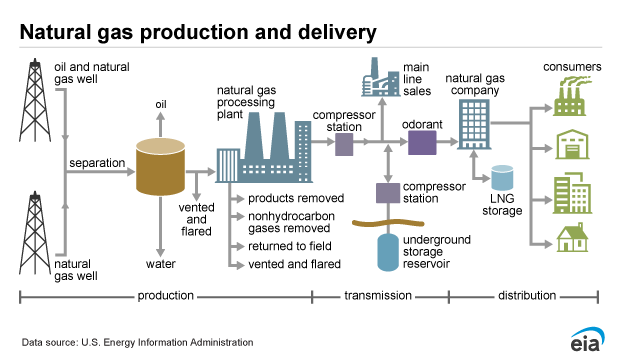
That structure exposes electricity costs to fuel availability and pricing.
Ghana’s thermal generation fleet requires reliable gas supply to operate efficiently.
Where gas supply is constrained or more expensive liquid fuels have to be used, the implications can move through the electricity value chain and eventually reach consumers.
This makes domestic gas development, gas-processing infrastructure and reliable fuel supply more than upstream petroleum issues. They are also electricity affordability issues.
The same connection explains why Ghana’s energy policy increasingly links petroleum production, gas development, thermal power and renewable energy rather than treating them as separate sectors.
Fuel Prices Still Matter Beyond The Power Sector
The energy inflation story also extends beyond electricity.
Transport inflation stood at 7.5% in July, down from 9.1% in June, according to analysis of the latest CPI figures.
That moderation is important because transport is one of the clearest channels through which petroleum prices affect the wider economy.
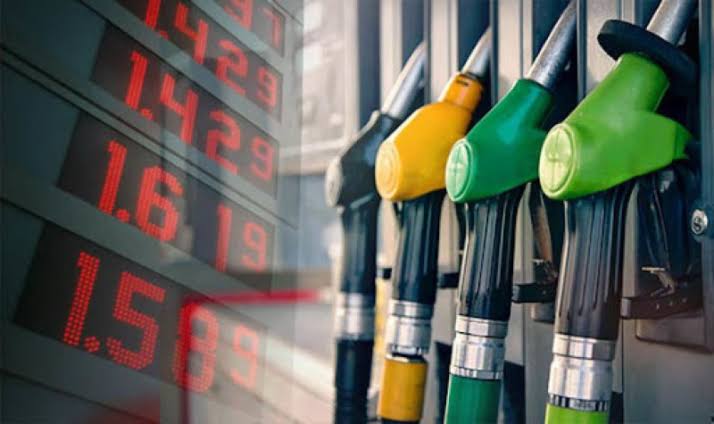
Fuel costs influence commercial transport operators, freight companies, food distribution and businesses moving goods between production and consumption centres.
A decline in transport inflation therefore offers some relief.
But the broader energy picture remains mixed. Lower transport-related price pressure is occurring alongside an 8.3% inflation rate in the housing, water, electricity, gas and other fuels category.
The implication is that Ghana is not experiencing a uniform decline in energy-related costs.
Different parts of the energy economy are moving at different speeds.
What The Numbers Mean For Industry
For Ghanaian industry, the distinction is more important than the headline inflation figure.
A manufacturing company does not experience the national inflation rate as a single cost.
It experiences electricity bills, fuel purchases, transport charges, machinery costs, wages and raw-material prices separately.
An economy can therefore record falling headline inflation while some of the inputs required to produce goods remain expensive.
That creates a policy challenge for Ghana.
The objective should not simply be to push energy prices lower through administrative intervention.
A sustainable reduction requires improvements in the underlying cost structure of the energy system.
That means reliable gas supply, efficient thermal plants, stronger transmission infrastructure, financially sustainable utilities and continued investment in lower-cost renewable generation.
Ghana’s recent experience with widespread power outages also reinforces the point.
Electricity affordability and electricity reliability are related but distinct problems.
A cheaper electricity system that cannot consistently deliver power creates another form of economic cost through business interruptions and reliance on backup generation.
The Bigger Energy Question
The July inflation data therefore offers a more complicated picture than the headline 4.6% figure suggests.
Ghana’s overall inflation environment is clearly improving.
The national rate is significantly below the 12.1% recorded in July 2025, while month-on-month price growth remains subdued.
But energy-related household costs are not yet moving at the same pace.
That should keep energy policy focused on the structural drivers of cost rather than relying solely on favourable inflation trends.
The real opportunity is to use the current period of broader macroeconomic stability to tackle the factors that keep energy expensive: fuel-supply risks, utility financial weaknesses, transmission constraints, generation efficiency and dependence on imported energy inputs.
For Ghana, 4.6% headline inflation is good news, but 8.3% energy-linked inflation is a reminder that cheaper money and cheaper goods do not automatically translate into cheaper energy.
READ ALSO: GEA CEO Distributes BizBox Start-Up Kits to 180 Beneficiaries in Yendi