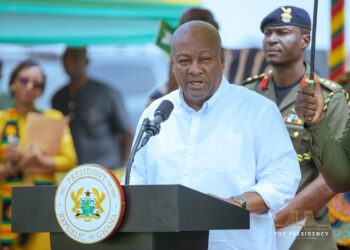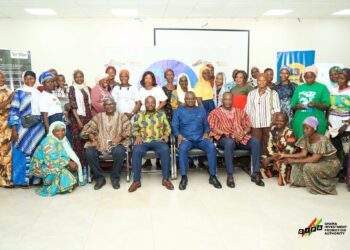
The Ghana Industrial Summit & Exhibition 2026 (GISE 2026) happening at the Underbridge Annex, East Legon, with industry stakeholders describe as Ghana’s most strategic industrial gathering of the year.
Day One of the summit delivers insightful discussions, great connections, exhibitions, and new opportunities with industry leaders, entrepreneurs, innovators, and investors from across Ghana and beyond.
The Industrial Summit crafted under the theme: Driving Sustainable Export-Led Industrial Growth Through Energy Reliability and Digital Innovation.
GISE 2026 positions itself at the heart of Ghana’s industrial transformation agenda at a time when the country is seeking to shift from an import dependent economy to a value added, export oriented industrial economy.
The opening day, which takes place yesterday at the Underbridge Annex, witnesses a massive turnout of industrialists, policymakers, development partners, and members of the business community.
The venue is transformed into a hub of industrial showcasing, with companies exhibiting Made-In-Ghana products, green technologies, industrial machinery, automotive solutions, and digital innovations designed to boost productivity.
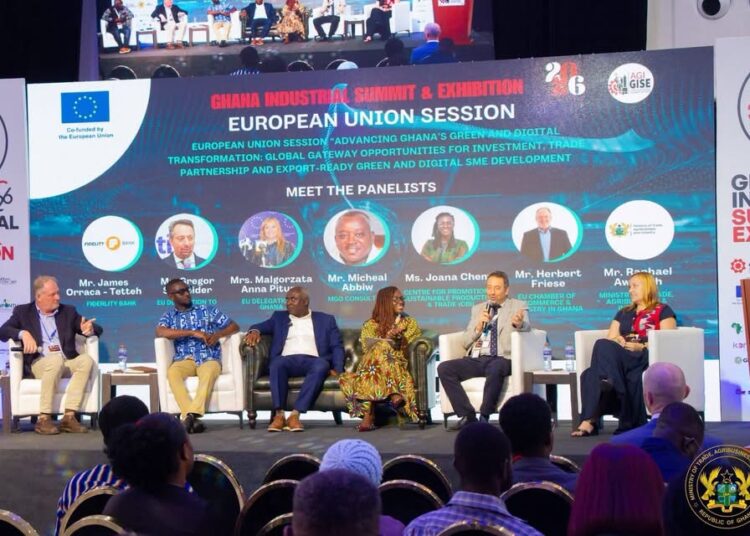
One of the major highlights of Day One is the hosting of the European Union for a high level summit and cocktail networking session. The EU-Ghana industrial dialogue focuses on trade, investment, sustainable energy transition, and how European technology and financing can support Ghana’s industrialization under the EU Global Gateway and the Economic Partnership Agreement.
Ghana’s total exports to the EU stood at over €2.1 billion in 2024, largely dominated by raw cocoa, gold, and oil. The GISE provides a platform to reverse that pattern by promoting value addition and connecting Ghanaian manufacturers directly to European markets and investors.
The Research Impact of GISE 2026 Goes Beyond a Ceremonial Exhibition.
Ghana currently faces a critical industrial crossroads. The country’s manufacturing sector contributes only about 10.2 percent to GDP, according to Ghana Statistical Service data, down from over 14 percent a decade ago.
The trade deficit remains high, with Ghana importing over $13 billion worth of goods annually, including machinery, vehicles, processed foods, and textiles that can be produced locally GISE 2026 directly addresses this challenge by pushing an export led industrial growth model.
The sustainable export led growth is the only viable path for Ghana to earn foreign exchange, stabilize the cedi, create decent jobs, and leverage the African Continental Free Trade Area (AfCFTA), which offers a market of 1.4 billion people.
The theme’s emphasis on Energy Reliability and Digital Innovation is particularly profound. The Association of Ghana Industries (AGI) has consistently identified unreliable power and high electricity tariffs as the top two constraints to industrial competitiveness.
In 2023, the AGI Business Barometer reported that 63 percent of manufacturers spend over 20 percent of their operational costs on energy, often resorting to expensive diesel generators. The focus on energy reliability at GISE therefore resonates deeply with industry.
The partnership with the Volta River Authority (VRA) for Energy Day is seen as a strategic intervention to discuss affordable and reliable power for industries, including embedded generation, renewable energy integration, and industrial tariff reforms.
Digital Innovation, the second pillar of the theme, also holds transformative potential. Research by the World Bank shows that Ghanaian firms that adopt digital technologies are 25 percent more productive than non-adopters.
Yet, digital adoption among small and medium manufacturers remains below 35 percent. GISE’s exhibition of digital solutions, from inventory management to e-commerce platforms and smart manufacturing, is expected to accelerate digital uptake and improve industrial efficiency.
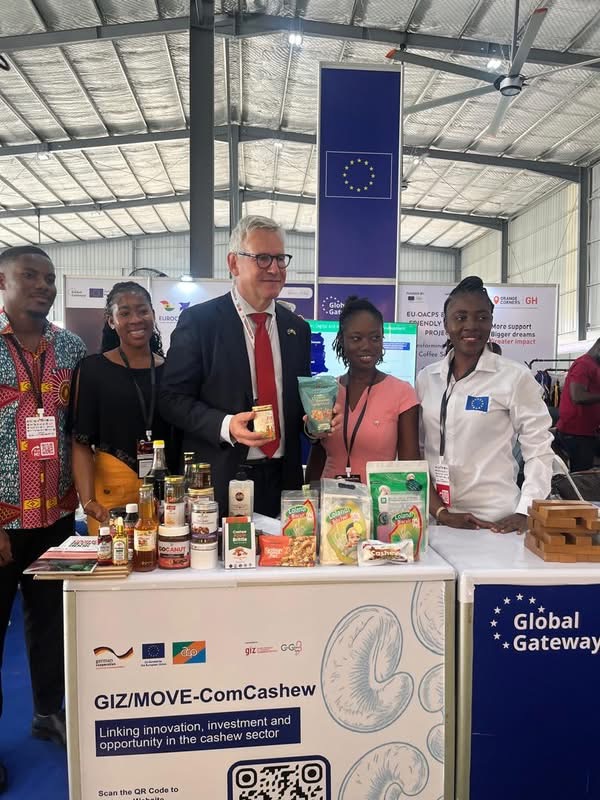
Today marks the Grand Final of GISE 2026, yet the momentum is even higher. Every industrialist, entrepreneur, business owner, and job seeker is heading to the Underbridge Annex, East Legon today for what is billed as a climax of opportunities, connections, and knowledge acquisition. Three major activities define today’s grand finale.
An Energy Day with VRA, GRIDCo and the Energy Commission
The session kicks off this morning with amazing discussions and engagements on how to guarantee reliable, affordable, and sustainable energy for Ghana’s industrial sector. Panellists from VRA, GRIDCo, the Energy Commission, and private power producers are expected to unveil new models for industrial power supply, including special economic zone tariffs and green energy options for factories.
Second is the Automotive Sector Forum with the Ministry of Transport. The forum holds a power-packed meeting to discuss Ghana’s Automotive Development Policy, local assembly, component manufacturing, and job creation.
Ghana’s automotive industry has seen major investments in the last three years, with Volkswagen, Toyota, Nissan, and Kantanka assembling vehicles locally. However, component manufacturing and local value addition remain below 15 percent.
The forum today seeks to address how to deepen local content, attract investment into parts manufacturing, and position Ghana as the automotive hub for West Africa. Coupled with this is the closing of the Ghana China Auto Fair today.
The fair, which has been running alongside GISE, showcases the latest in Chinese automotive technology, electric vehicles, and spare parts manufacturing. The collaboration between Ghanaian and Chinese firms is expected to result in joint ventures for local assembly and technology transfer.
Third is the much awaited launch of the Nkabom Collaborative Job Search Portal. The portal, which launches today, is designed to bridge the gap between industry and talent. With youth unemployment estimated at over 19 percent and over 300,000 young people entering the job market annually.
The portal offers a digital solution that connects job seekers directly with industrial vacancies, internships, and skills training opportunities. The launch of Nkabom is seen as one of the most impactful legacies of GISE 2026, as it directly addresses the disconnect between industry needs and available skills.
The broader impact of GISE 2026, according to industrial policy researchers, lies in its ability to create a permanent ecosystem for industrial dialogue. Unlike one-off trade fairs, GISE brings together government, industry, investors, and development partners in a continuous engagement model that influences policy.
Previous editions of the summit have contributed to policy reforms in local content, tax incentives for manufacturers, and the establishment of industrial parks. GISE 2026 is expected to push forward recommendations on energy pricing, digital infrastructure for SMEs, and export financing.
As the curtains come down today at the Underbridge Annex, the message from Day One is clear: Ghana’s industrial future depends on reliable energy, digital transformation, and deliberate efforts to produce for export.
The grand finale promises even bigger opportunities, deeper insights, and direct connections that can transform businesses and careers.