Ghana’s fiscal recovery has gathered momentum after the country recorded a dramatic reduction in its public debt burden, with the debt-to-GDP ratio falling from 70.3% in 2024 to 49% at the end of 2025.
The latest figures, disclosed by the World Bank, represent one of the most significant improvements in Ghana’s fiscal position in recent years and offer fresh evidence that the country’s difficult economic reforms are beginning to deliver results.
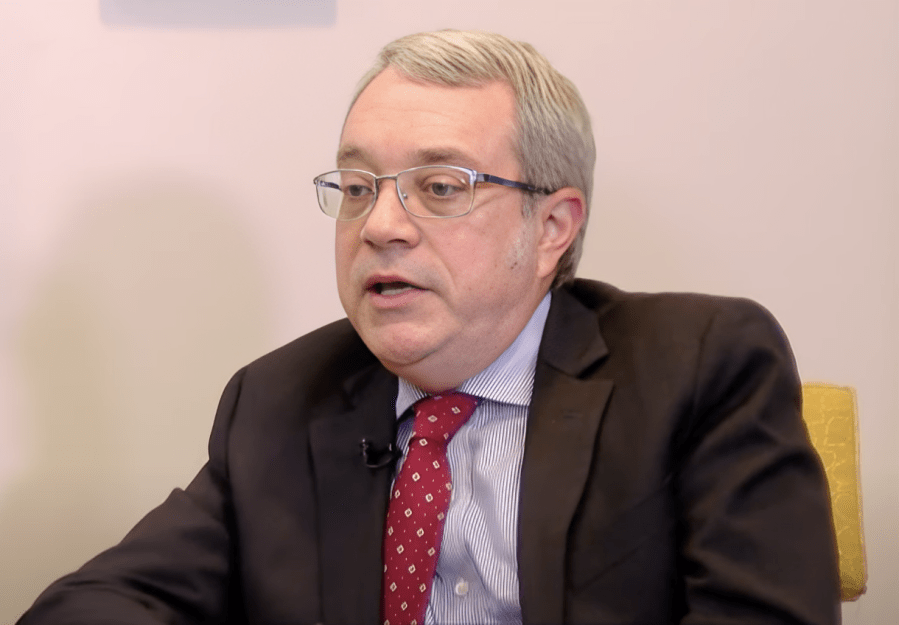
The development was highlighted by Robert R. Taliercio, World Bank Division Director for Ghana, Liberia and Sierra Leone, during the launch of the World Bank’s Tenth Ghana Economic Update in Accra.
According to Mr Taliercio, the sharp decline in public debt occurred three years ahead of the expected timeline under Ghana’s International Monetary Fund programme.
Debt Ratio Takes Dramatic Turn
Ghana’s public debt had become one of the country’s biggest economic concerns following years of rising borrowing, fiscal pressures and external shocks.
The debt-to-GDP ratio reached 70.3% in 2024, raising concerns about the country’s ability to maintain debt sustainability and meet its financial obligations.
However, by the end of 2025, the ratio had dropped to 49%, representing a reduction of more than 21 percentage points in just one year.
Mr Taliercio described the achievement as one of the major gains recorded under Ghana’s ongoing economic reform programme.
He said the improvement in the debt position, together with progress in the fiscal and external sectors, reflected the impact of difficult decisions taken to stabilise the economy.
The development could provide an important boost to investor confidence as Ghana continues efforts to restore macroeconomic stability and rebuild credibility in international financial markets.
Fiscal Discipline Delivers Another Major Win
The improvement in the debt ratio was accompanied by a stronger fiscal performance.
Ghana recorded a primary fiscal surplus of 2.5% of GDP in 2025, exceeding the 1.5% target.
The primary balance is a critical measure of a government’s fiscal position because it excludes interest payments on existing debt. Recording a larger-than-targeted surplus therefore signals stronger control over government expenditure and revenues.
For Ghana, the achievement comes after a period of significant fiscal strain that forced authorities to implement difficult measures to restore stability.
The stronger fiscal position could also help reduce pressure on government financing requirements and create greater room for managing future economic shocks.
World Bank Issues Fresh Warning
Despite the encouraging figures, the World Bank has warned that Ghana’s recovery remains structurally incomplete.
Mr Taliercio cautioned that some of the gains could be reversed if reforms are not sustained.
This warning highlights the fragile nature of Ghana’s current recovery. A sharp reduction in the debt ratio is significant, but maintaining the improvement will require continued fiscal discipline, stronger revenue mobilisation and reforms in sectors that continue to place pressure on government finances.
The World Bank particularly identified persistent challenges in the energy and agriculture sectors as areas requiring urgent attention.
The energy sector has historically created substantial financial pressures for the government, while challenges in agriculture continue to affect productivity, food prices, rural incomes and broader economic performance.
Debt Restructuring Remains Critical
The World Bank also stressed the importance of completing Ghana’s external debt restructuring.
According to Mr Taliercio, Ghana’s debt outlook can remain sustainable if fiscal discipline is maintained and the restructuring process is completed.
The restructuring programme has been central to Ghana’s broader efforts to restore debt sustainability after the country faced severe financing difficulties.
Successful completion of the process would provide further relief to public finances and strengthen the government’s ability to manage its debt obligations.
However, authorities will still need to maintain tight fiscal controls to prevent a return to the borrowing pressures that contributed to the previous debt crisis.
Ghana’s Growth Outlook Strengthens
Beyond the debt figures, the World Bank is projecting continued economic expansion.
Mr Taliercio said Ghana’s economy is expected to grow by 4.8% in 2026 before converging towards approximately 5% over the medium term.
Inflation is also expected to remain within the target range, while public debt is projected to remain on a sustainable trajectory.
If these projections materialise, Ghana could enter a new phase of economic recovery characterised by stronger growth, improved fiscal conditions and greater macroeconomic stability.
The combination of lower debt and stronger growth could also improve the government’s debt-to-GDP ratio further, provided borrowing remains controlled.
Revenue Mobilisation Becomes the Next Test
With debt falling sharply, the next major test for Ghana will be sustaining the improvement.
The World Bank has called for stronger domestic revenue mobilisation as part of efforts to preserve the gains achieved through fiscal consolidation.
Increasing domestic revenue could reduce the government’s dependence on borrowing and provide resources for critical public investments.
However, higher revenue collection must be balanced against the need to support private sector activity and household incomes.
The government will also need to address financial weaknesses in key sectors, particularly energy, while improving efficiency in public spending.
A Foundation, Not the Finish Line
The dramatic fall in Ghana’s debt-to-GDP ratio is undoubtedly a major milestone, but the World Bank has made it clear that the journey is far from over.
The reduction from 70.3% to 49% demonstrates that substantial fiscal improvement is possible when difficult reforms are implemented consistently.
Yet, the challenge now is preventing a reversal. Maintaining fiscal discipline, completing debt restructuring, improving revenue mobilisation and tackling financial pressures in the energy and agriculture sectors will be critical.
The latest figures therefore provide both a reason for optimism and a warning.
Ghana’s fiscal recovery is gaining momentum, but sustaining that momentum will determine whether the country can transform a dramatic one-year improvement into a durable foundation for long-term economic stability.
READ ALSO: PFAG Demands Emergency Relief for Rice Farmers Hit by Market Crisis and Post-Harvest Losses