Ghana’s hard-won economic recovery could face fresh pressure as the World Bank raises concerns over the growing threats to macroeconomic stability, warning that prolonged tensions in the Middle East could create serious challenges for the country.
The warning comes at a critical moment for Ghana, which has made significant progress in restoring economic stability, reducing inflation and improving fiscal conditions. However, according to the World Bank, the recovery remains vulnerable to a series of external and domestic risks that could reverse some of the gains achieved in recent months.
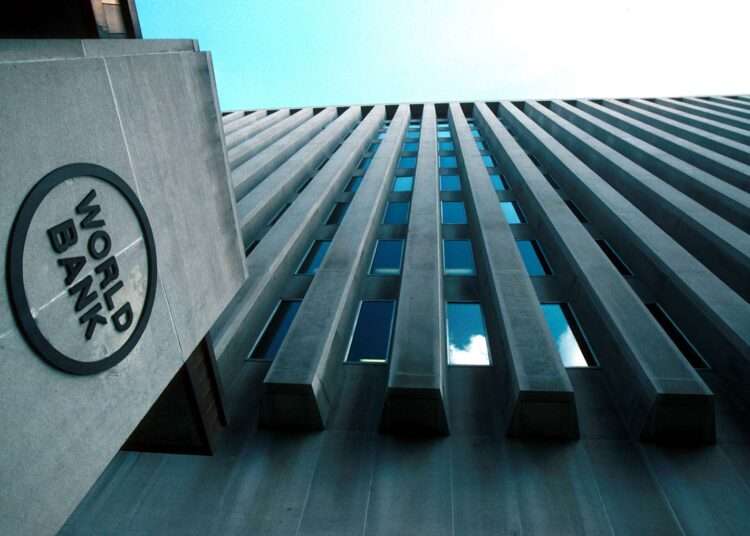
The concerns were contained in the World Bank’s 10th Ghana Economic Update Report, titled “Reset for Growth: Sustaining Macroeconomic Recovery and Unlocking Transport for Transformation.”
Middle East Crisis Threatens Ghana’s Recovery
The World Bank cautioned that prolonged conflict and tensions in the Middle East could weigh heavily on Ghana’s economy through global trade disruptions, higher energy prices and increased food and agricultural input costs.
Although Ghana’s position as an oil producer and major gold exporter could provide some cushion against external shocks, the Bank warned that prolonged disruptions to global trade could still undermine macro-financial stability.
The conflict could increase the cost of imported fuel, food and agricultural inputs, putting renewed pressure on inflation and the exchange rate.
For an economy that has recently experienced significant disinflation and improved macroeconomic conditions, such an external shock could present a major challenge.
The World Bank therefore stressed that the risks surrounding Ghana’s economic outlook are tilted to the downside.
Ghana Still Expected to Grow
Despite the growing risks, the World Bank maintained a cautiously positive outlook for Ghana.
The institution projects that Ghana will end 2025 with economic growth of 4.8 percent. Over the medium term, growth is expected to moderate and gradually converge towards the country’s estimated potential growth rate of about 5 percent.
Inflation is also expected to remain within the Bank of Ghana’s 8 percent plus or minus 2 percent target band.
The current account is projected to remain in surplus in 2026, while the government’s primary surplus target of 1.5 percent of Gross Domestic Product is considered achievable if planned revenue reforms are successfully implemented.
However, the World Bank made it clear that these projections are not guaranteed.
It warned that the downside risks are material and could affect Ghana’s medium-term economic performance if policymakers fail to maintain discipline.
Gold and Oil May Not Be Enough
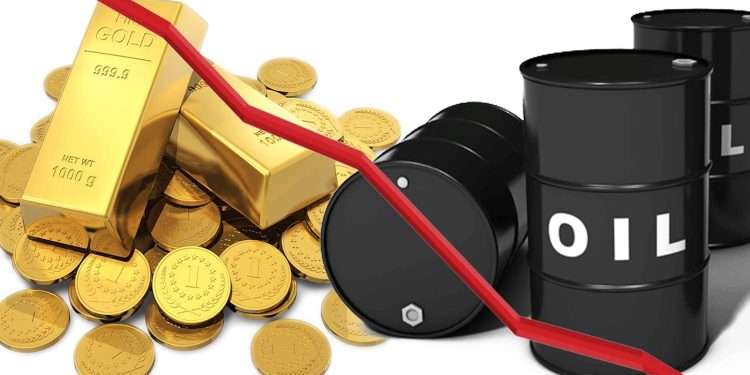
Ghana’s status as an oil-producing country and one of Africa’s major gold exporters could offer some protection against global shocks.
Higher oil prices could potentially boost export earnings, while elevated gold prices could support foreign exchange inflows and government revenues.
However, the World Bank cautioned that these advantages may not fully offset the broader consequences of prolonged geopolitical instability.
The Bank identified gold price volatility, geoeconomic fragmentation and the Middle East conflict as major external threats.
Higher energy, food and agricultural input costs could fuel inflation, weaken the cedi and reduce potential economic growth.
At the same time, weaker global economic activity could affect demand for Ghanaian exports and put additional pressure on fiscal revenues.
Energy and Cocoa Policies Raise Concerns
The World Bank also highlighted domestic vulnerabilities that could threaten Ghana’s recovery.
Policy slippages in the energy and cocoa sectors, combined with fiscal pressures arising from temporary relief measures such as fuel price interventions, could erode recent economic gains.
The institution warned that such pressures could also jeopardize Ghana’s debt sustainability objectives.
Another major concern is the expected increase in debt service payments during 2027 and 2028.
The World Bank noted that Ghana’s reliance on short-term debt instruments creates rollover risks as repayment obligations increase.
However, there is some relief from the reopening of the domestic bond market in April 2026.
The Bank expects the renewed market activity to ease financing pressures by allowing the government to access longer-maturity instruments.
World Bank Pushes Revenue Reforms
To protect Ghana’s economic recovery, the World Bank is calling for stronger domestic revenue mobilisation.
The institution argued that revenue growth must become a central pillar of Ghana’s fiscal sustainability strategy.
According to the Bank, the primary surplus achieved so far has largely resulted from underspending rather than broad-based revenue growth.
It therefore recommended widening the tax base, improving compliance and strengthening tax administration to ensure that more segments of the economy contribute fairly to national revenue.
The World Bank also urged Ghana to improve the quality of public expenditure.
While fiscal consolidation remains necessary, the institution warned that repeatedly cutting capital investment, infrastructure maintenance and social transfers could weaken the foundations of long-term economic growth.
Fiscal Discipline Becomes Critical
The Bank acknowledged reforms introduced in 2025 to strengthen Ghana’s fiscal framework, including amendments to the Public Financial Management and Public Procurement Acts.
These measures are intended to strengthen commitment controls and prevent future fiscal slippages.
However, the World Bank believes Ghana must go further by developing a stronger fiscal risk framework.
This should include systematic disclosure of contingent liabilities, integrating risk scenarios into budget planning and strengthening accountability mechanisms for state-owned enterprises.
With geopolitical tensions intensifying, debt pressures approaching and domestic fiscal risks still present, maintaining economic stability will require disciplined policies, stronger revenue mobilisation and carefully targeted public spending.
The coming years could therefore prove decisive in determining whether Ghana can transform its current recovery into sustained, long-term economic growth.
READ ALSO: Ghana Sets 2027 Deadline to Fully Regulate Virtual Assets