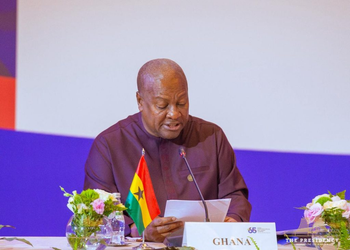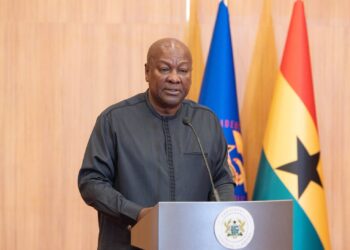
The Spokesperson for the Ministry of Lands and Natural Resources, Paa Kwesi Schandorf, has cautioned against presenting a state of emergency as the definitive answer to Ghana’s illegal mining challenge.
He explained that although such a declaration could strengthen restrictions and increase security operations in mining areas, its effectiveness would ultimately depend on the measures that accompany it. The Lands Ministry spokesperson therefore urged a careful assessment of what additional value emergency powers would bring to the interventions already underway.
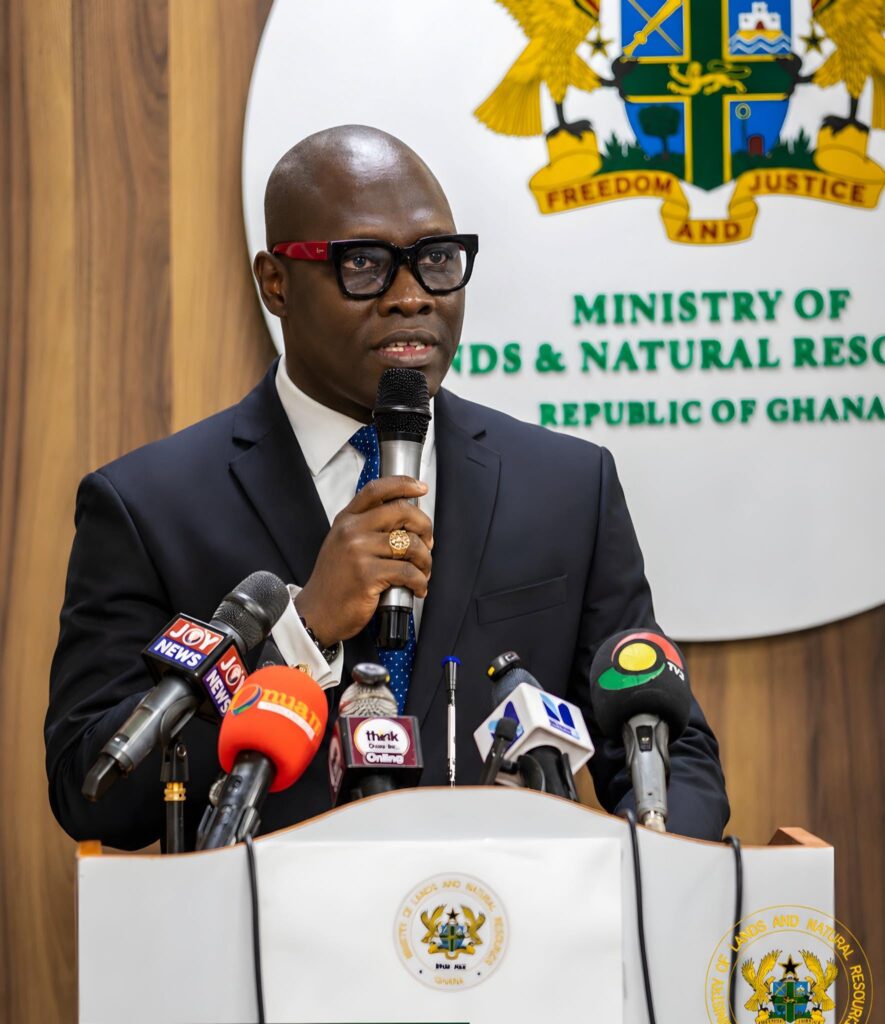
Mr Schandorf noted that the illegal mining challenge requires practical action across several fronts. He indicated that enforcement, security operations and other measures already in use could achieve some of the objectives often associated with an emergency declaration.
From his perspective, the discussion of the issue should therefore move beyond whether a state of emergency should be declared and examine the actual outcomes expected from such a decision. Such an assessment, he explained, would help determine whether the measure could significantly improve the fight against galamsey.
“We should be careful not to consistently indicate or project a state of emergency as a certain magic wand.”
Paa Kwesi Schandorf
The Lands Ministry spokesperson further explained that a declaration could affect economic activities within communities where restrictions become necessary. Such implications, he suggested, require consideration alongside the security benefits that may come from imposing tighter controls.
At the same time, he drew a distinction between a state of emergency and the operations being conducted by the National Anti-Illegal Mining Operations Secretariat. According to him, the existing interventions already involve security personnel and enforcement mechanisms aimed at disrupting illegal mining activities.
The Position Of The President
The position also follows President John Dramani Mahama’s indication that any decision on a state of emergency would depend on security assessments. Mr Schandorf explained that the President’s approach places the decision within the context of conditions on the ground and the advice of the relevant security authorities.
He therefore urged the public to consider the practical consequences of the proposed measure. An emergency declaration could alter how mining activities operate in affected areas, yet the lasting solution would still require effective enforcement and sustained environmental protection.
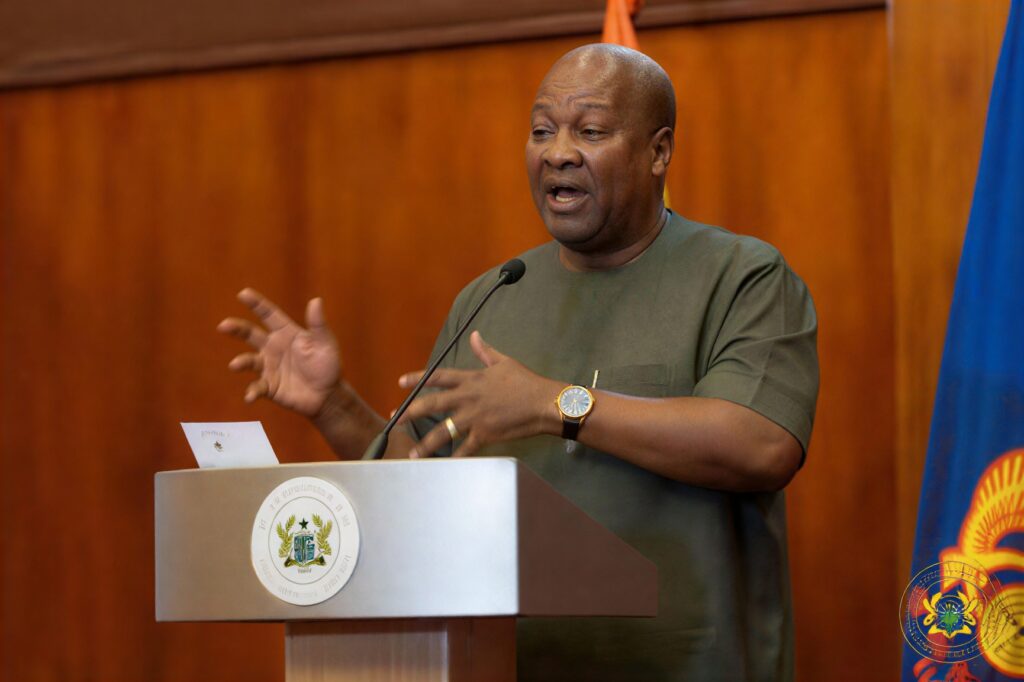
Furthermore, the spokesperson pointed to the need for a results-based approach to the national discussion. Instead of concentrating solely on the terminology attached to government action, he suggested that attention should be given to whether illegal mining declines and whether degraded areas receive effective restoration.
This approach, he explained, would allow the country to assess interventions according to their impact. It would also help policymakers determine whether existing measures require strengthening or whether additional powers should be introduced.
On the Possibility Of Restoring The Damage
The Spokesperson for the Ministry of Lands and Natural Resources, Paa Kwesi Schandorf also acknowledged that Ghana still faces a difficult task in reversing the environmental damage caused by illegal mining.
Mr Schandorf, however, indicated that the country’s response has produced some progress, even as significant work remains to protect forests, farmlands and water bodies. He argued that the scale of the destruction requires sustained intervention and realistic expectations about the pace of restoration.
In explaining the environmental impact accumulated over several years, he added that restoring affected areas would therefore require considerable time and resources. The scale of the damage provides an important context for assessing the government’s current efforts. Mr Schandorf referenced data from the Forestry Commission which recorded the destruction of more than 8,500 hectares of forest land between 2021 and 2025.
According to him, the figures demonstrate the extent of the task confronting authorities. The government consequently faces the dual responsibility of preventing further degradation while working to rehabilitate areas that illegal mining has already damaged.
“We have certainly not gotten to where we want to be. However, we are also not where we used to be.”
Paa Kwesi Schandorf
Restoration therefore forms only one part of the national response. The authorities must also strengthen enforcement to prevent fresh damage while pursuing measures that can return degraded land to productive use.
In his assessment, the scale of destruction makes an immediate return to previous environmental conditions unrealistic. Some affected areas require extensive rehabilitation before they can support agriculture, forestry or other sustainable economic activities.
The situation also places pressure on institutions responsible for environmental protection. Effective coordination among agencies, together with consistent enforcement, remains necessary if interventions are to produce durable results.
Furthermore, the presence of illegal mining means restoration efforts cannot operate in isolation. Rehabilitating one area while illegal operations continue in another could undermine the wider objective of protecting Ghana’s natural resources.
Mr Schandorf therefore linked the restoration agenda to the need for stronger control of ongoing mining activities. The government’s environmental strategy, in his view, must address both the damage already recorded and the activities capable of causing additional destruction.

Another important consideration involves public expectations. The Lands Ministry spokesperson urged a realistic appreciation of how long environmental recovery can take, particularly in areas where mining has significantly altered the landscape.
“You cannot immediately redeem the situation. It cannot be any intervention of magic to undo the extent of devastation.”
Paa Kwesi Schandorf
The comment highlights the difference between stopping further destruction and repairing damage that has already occurred. While enforcement can produce immediate disruption to illegal operations, environmental rehabilitation often requires longer periods of planning, funding and technical work.
READ ALSO: Nevada Jury Convicts Keffe D in Tupac Shakur Murder Case