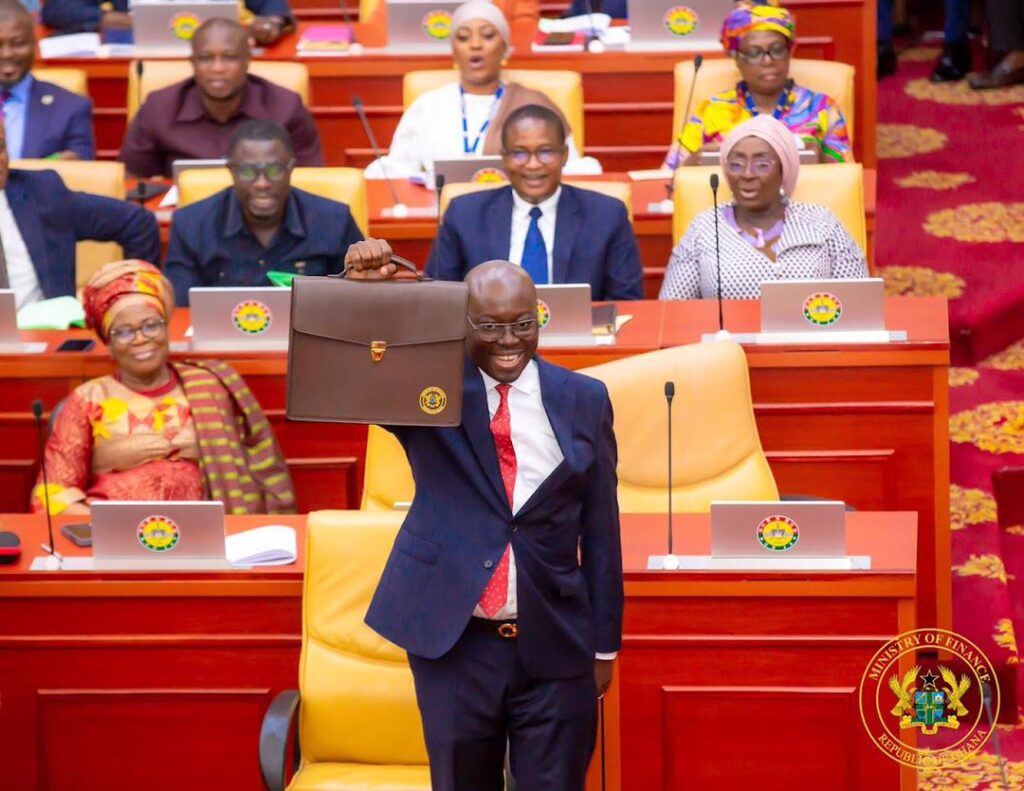
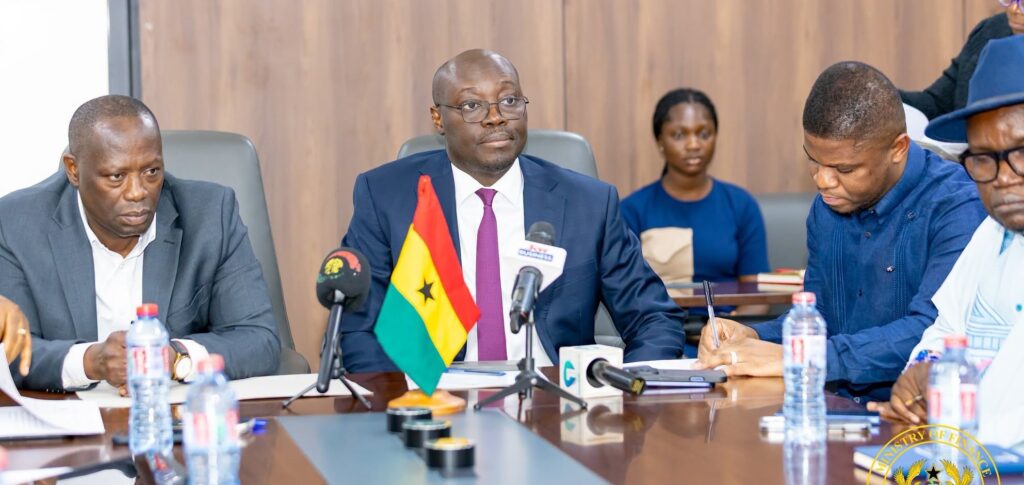
Finance Minister, Hon. Ato Forson, has asserted that the implementation of economic rent taxation is a necessary fiscal measure to guarantee that the local populace gains a fair share of the value derived from the country’s extractive sector.
This policy approach ensures that windfall profits generated from sovereign natural assets do not exclusively enrich foreign corporate shareholders, but also contribute directly to national development.
By capturing a portion of surplus earnings above standard capital returns, the state retains vital revenue needed to fund essential public infrastructure and socio-economic programs.
Expanding on this position, the domestic fiscal framework for resource extraction seeks to align investor profitability with national equity.
“Beyond that, in as much as the shareholders are benefiting, owners of the resource must also benefit. That is what in taxation we call the economic rent tax. Ghana will not be the first country to have it.”
Finance Minister, Hon. Ato Forson
While mining and petroleum multinationals require adequate investment returns to manage operational risks, sovereign states remain the fundamental owners of the subsoil minerals being depleted.
Concerns that extra tax obligations automatically deter foreign direct investment often miscalculate the strategic objective of the state, which aims to strike a balanced, sustainable partnership rather than erect hostile fiscal barriers.
Consequently, structural tax reforms in the extractive sector represent a routine global practice aimed at maximizing revenue mobilization without compromising long-term commercial viability.
Securing Sovereign Value from Ghana’s Extractive Industry
Ghana’s historic rich endowment of mineral resources ranging from gold and manganese to recent commercial discoveries of crude oil and lithium underlines the persistent necessity for robust domestic revenue mobilization.
Historically, resource-rich developing nations have faced the structural paradox of the “resource curse,” wherein massive export volumes fail to translate into broad-based domestic prosperity.
When commodity prices surge on international exchanges, foreign extraction companies experience significant profit margins.
Without progressive tax mechanisms like economic rent taxes or variable royalties, a disproportionate share of these unearned windfalls leaves the host country, leaving communities to absorb environmental degradation without receiving proportional economic compensation.
Furthermore, natural resources represent finite, non-renewable capital. Every ton of ore extracted or barrel of oil pumped reduces the physical wealth of the country permanently.
Securing equitable revenues through specialized fiscal tools allows government agencies to convert this non-renewable underground capital into sustainable human and physical capital, such as hospitals, schools, and transportation networks.
Adopting progressive resource taxation creates a predictable fiscal environment where high-yield periods fund long-term national growth, ensuring that extraction activities directly offset the natural depletion of sovereign assets.
Reframing the Investment Climate Narrative
Industry debates around resource taxation frequently feature pushback from commercial operators who argue that additional tax burdens stifle exploration and impair global competitiveness.
However, progressive fiscal instruments are specifically structured to activate only when operational yields exceed standard financial thresholds, meaning standard investment capital remains protected during periods of low commodity prices.
Hon. Ato Forson noted that when the government introduced this policy framework, “impressions were created that we are driving investment away,” clarifying that such assertions mischaracterize the fundamental purpose of the fiscal reform.

The primary objective remains establishing a transparent, equitable social contract between sovereign resource custodians and private capital investors.
International precedents across major resource-producing jurisdictions demonstrate that clear, stable, and fair tax regimes build greater long-term market trust than under-taxed systems that breed public resentment and political instability.
Ultimately, “all what Government of Ghana was asking for was for the people of Ghana to benefit from its own resources,” reinforcing that sustainable commercial extraction must go hand-in-hand with tangible national advancement.
READ ALSO: Ghana’s Inflation Surges to 5.0% as Price Pressures Return