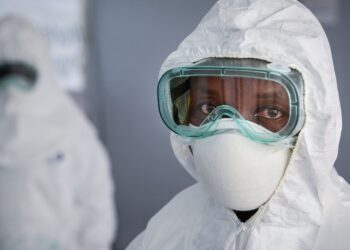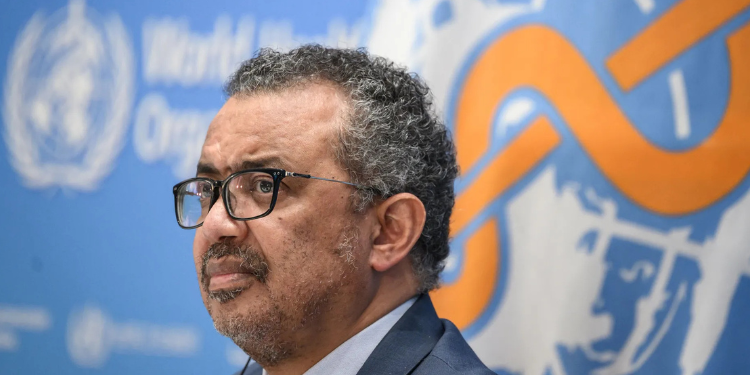
The World Health Organization (WHO) Chief has called for a scaled-up Ebola response in the Democratic Republic of Congo (DRC), warning that unidentified chains of transmission are allowing the deadly disease to continue spreading across the country.
According to WHO Director-General Tedros Adhanom Ghebreyesus, health authorities still face significant difficulties tracing how some infections were occurring, particularly as a growing number of deaths were being recorded among people who were not previously identified as contacts of confirmed Ebola patients.
With government data putting the outbreak’s death toll above 3,000, the current epidemic has become the deadliest Ebola outbreak in the DRC’s history, exceeding the fatalities recorded during the 2018–2020 outbreak.
The current epidemic, caused by the Bundibugyo species of Ebola, has spread across six provinces and recorded a mortality rate of 48.6%, according to government figures.
Speaking to reporters in Geneva, Tedros stressed that the response would remain incomplete until health workers were able to identify and interrupt every chain of transmission.
“Until every chain is found and broken, the epidemic will continue and will continue to pose a threat to DRC, its neighbors and the region as a whole.”
Tedros Adhanom Ghebreyesus
The WHO Chief noted that the presence of Ebola-related deaths among individuals who were not included on existing contact lists was particularly concerning because it indicated that health authorities were missing some transmission networks.
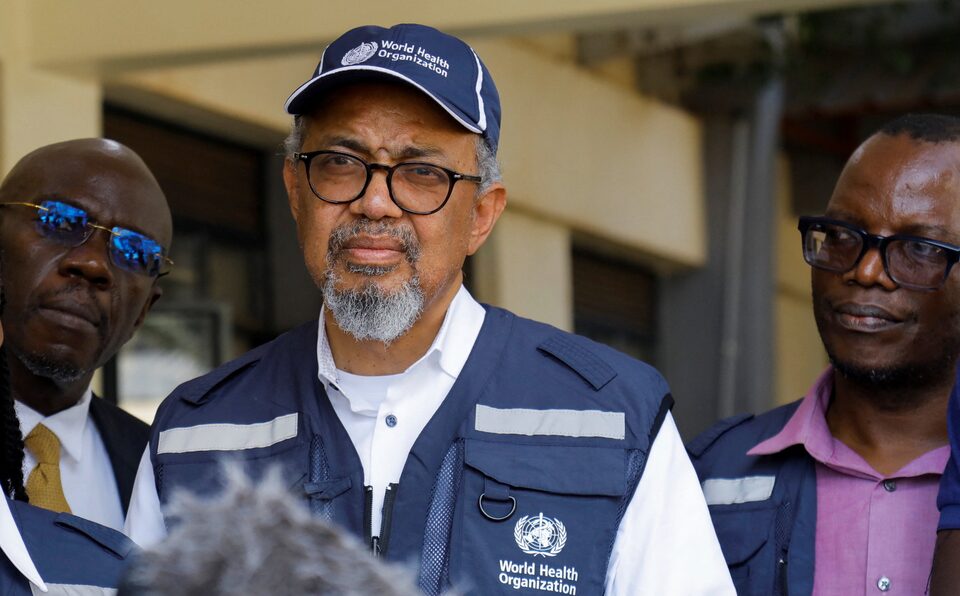
The WHO Chief added, “that means there are chains of transmission we don’t know about.”
He also cited dangerous burial practices as a crucial contributor to the outbreak, claiming that many Ebola victims were still being buried without adequate protective precautions.
The trend has raised concerns that the outbreak would expand beyond the already affected areas, resulting in a larger regional public-health emergency, especially given the DRC’s considerable cross-border mobility with neighbouring nations.
The Congolese government-led response plan is requesting $1.3 billion, whereas WHO is pleading with the international community to boost and expedite financial contributions.
“We know that we are making this request at a time when financing for humanitarian assistance has contracted, and when there are many other competing priorities. But as we know from previous Ebola outbreaks, we can control this epidemic if we choose to.”
Schools Reopen Despite Continued Ebola Risks
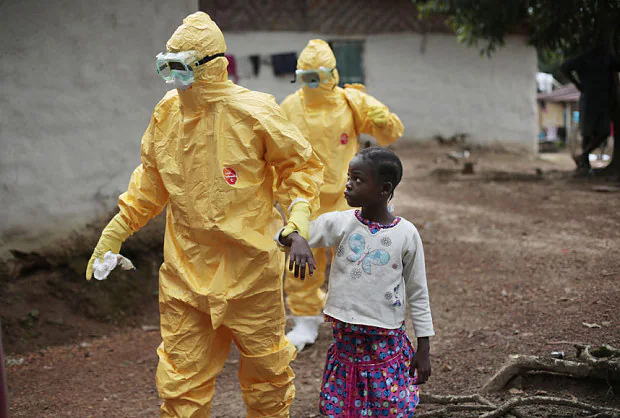
Meanwhile, authorities are attempting to strike a balance between controlling Ebola transmission and preventing prolonged disruption to children’s education as schools reopen.
More than 1,000 schools in Ituri province have been classified as being in the “red zone,” meaning they are located in areas considered to have a high risk of Ebola transmission or active cases.
Education Ministry regulations had stipulated that schools in such areas would temporarily replace face-to-face lessons with distance learning. The arrangement involved worksheets being distributed every two weeks, alongside educational programmes broadcast on radio and television.
However, schools reopened as usual in Ituri this week following a review by the government, according to an education ministry official.
According to a government official, “the government reviewed its initial decision at the request of provincial authorities who wanted to ensure that students living even in red zones would not fall behind in the school curriculum compared to others.“
Similarly, schools have also reopened in parts of North Kivu and South Kivu provinces controlled by Rwanda-backed AFC/M23 rebels.
In those areas, authorities are requiring measures including hand-washing and social distancing inside classrooms as part of efforts to reduce the risk of infection.
The reopening of schools, however, has not eliminated anxiety among parents, particularly in communities where Ebola cases remain high.
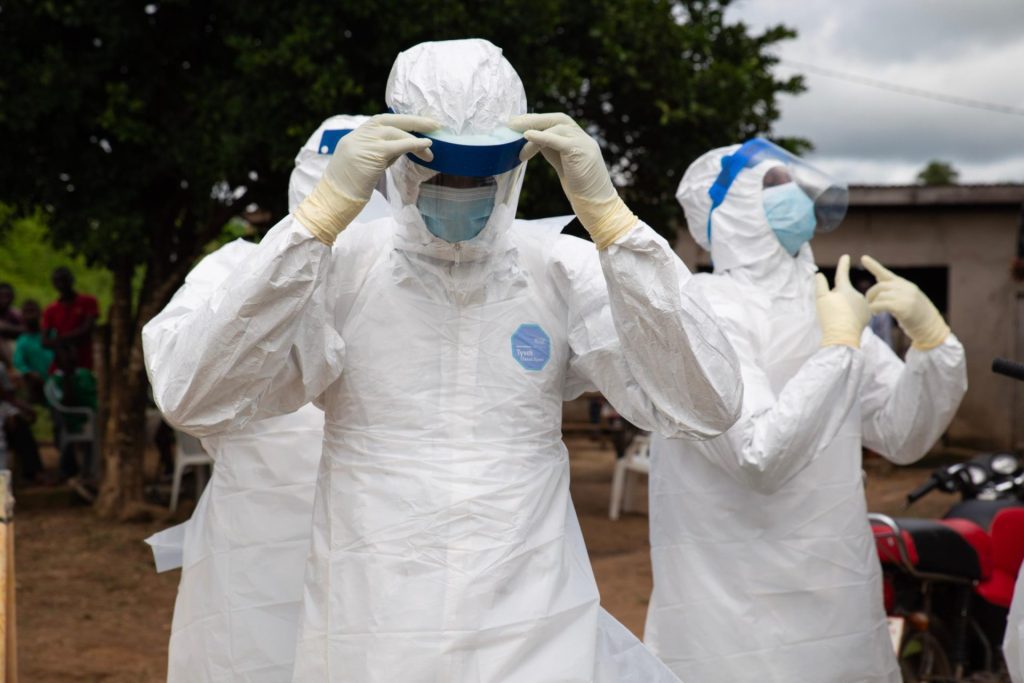
According to the Education Ministry, hygiene kits had also been installed in schools located in red zones.
The precautions are particularly important because Ebola spreads through direct contact with bodily fluids from infected people, making close interaction and inadequate infection-control practices potential drivers of further transmission.
The current outbreak presents an additional challenge because it is caused by the Bundibugyo species of Ebola, for which there is currently no approved vaccine or treatment.
That limitation places greater importance on early detection, isolation, contact tracing, safe burials and infection-prevention measures to contain transmission.
WHO’s warning therefore comes at a critical juncture in the outbreak, as the death toll continues to grow as officials try to maintain essential services like schooling.
Previous Ebola outbreaks have shown that delays in diagnosing illnesses can allow the disease to spread silently through families and communities before health officials become aware of the transmission chain.
With thousands of deaths now reported and illnesses spanning six provinces, the DRC now faces the task of limiting the outbreak while preserving public services and protecting communities from additional disruption.
READ ALSO: Ghana’s Inflation Surges to 5.0% as Price Pressures Return