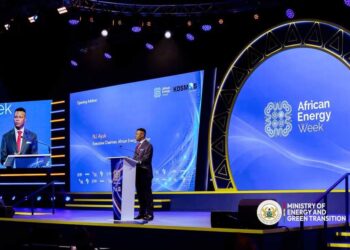
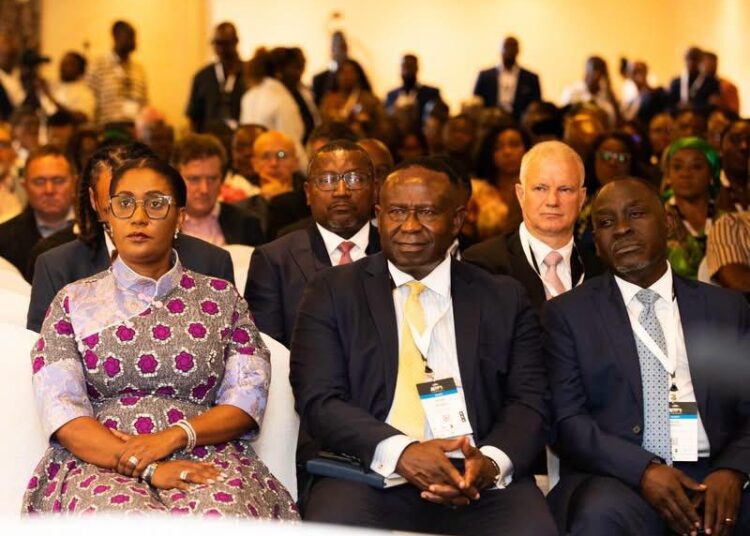
Day Two of Africa Oil Week 2026 (AOW 2026) in Accra has shifted attention towards Ghana’s upstream petroleum prospects, with policymakers, regulators, investors and industry leaders using Ghana Day to examine how the country can attract fresh capital while securing greater economic value from its petroleum resources.
The session brought together key institutions including the Petroleum Commission, Ghana National Petroleum Corporation (GNPC) and the Ghana Upstream Petroleum Chamber, creating a platform for discussions on exploration, investment and the competitiveness of Ghana’s upstream industry.
The discussions build on the investment-focused agenda established during the opening of AOW 2026, where government positioned fiscal and regulatory reforms as a central component of efforts to make Ghana a more attractive destination for upstream investment.
Ghana Day Shifts Focus Toward New Investment Opportunities
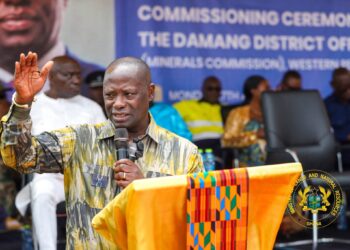
A key feature of the Ghana Day programme was a keynote address by the Minister for Energy and Green Transition, Dr. John Abdulai Jinapor, who set the tone for conversations around the next phase of Ghana’s upstream petroleum development.
The focus on new opportunities comes at a consequential point for Ghana’s petroleum industry.
Mature producing assets will continue to generate revenue, but maintaining upstream momentum requires continued exploration, new discoveries and investment in fields capable of sustaining production over the longer term.
The Minister’s emphasis on onshore negotiations and farm-in opportunities also signals a broader attempt to widen the routes through which investors can participate in Ghana’s petroleum industry.
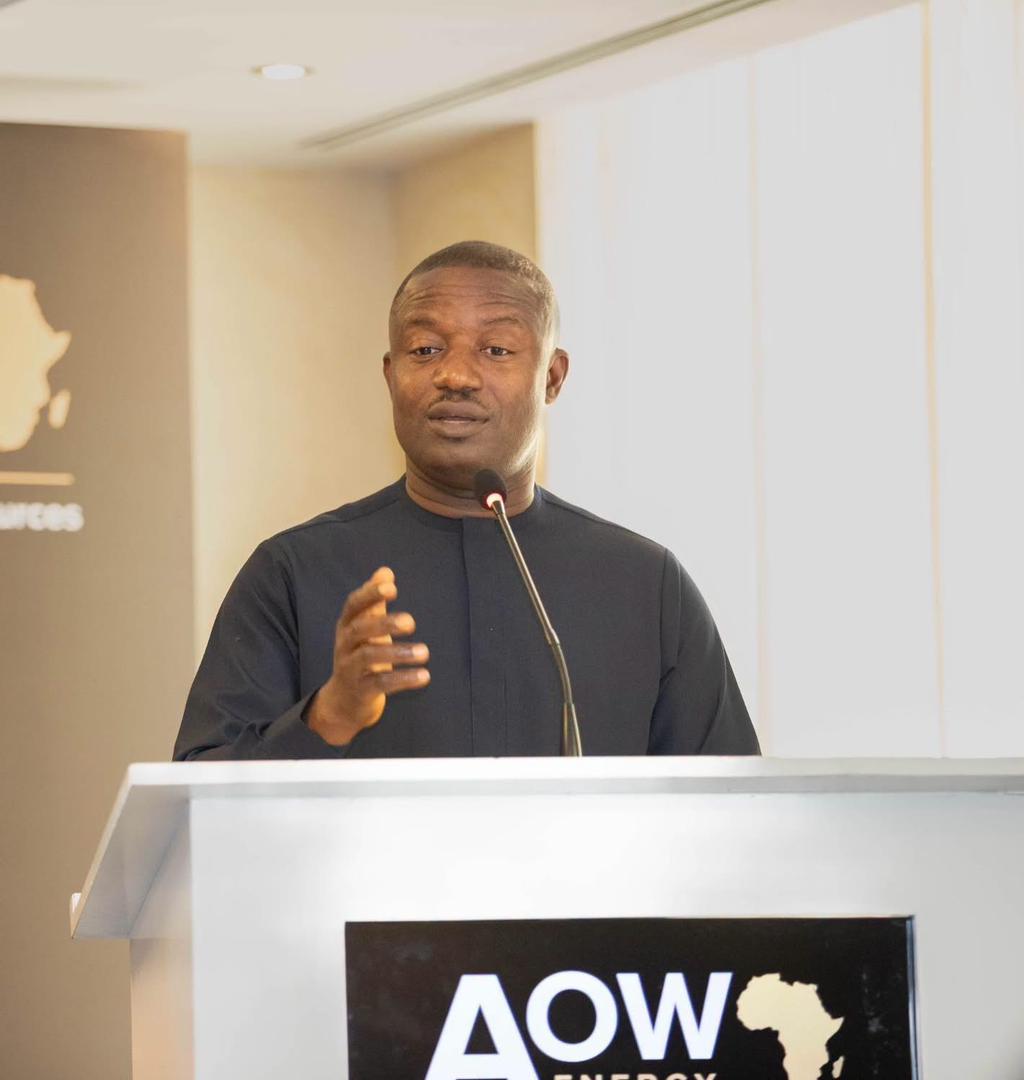
“AOW 2026 must translate dialogue into investment, investment into partnerships, and partnerships into tangible development for Ghana and Africa.”
Dr. John Abdulai Jinapor, Minister for Energy and Green Transition
The distinction between dialogue and investment is important.
International energy conferences routinely generate commitments, memoranda and commercial conversations, but the real economic impact begins when those conversations result in exploration expenditure, field development, infrastructure, employment and government revenues.
Ghana Day therefore provides an opportunity to move the conversation from the general attractiveness of Africa’s petroleum resources towards the specific commercial and regulatory conditions required to unlock Ghana’s remaining upstream potential.
Competitiveness Emerges As A Central Industry Question
Competitiveness remains one of the most important issues facing Ghana’s upstream sector.
Ghana is competing for capital against other petroleum-producing jurisdictions at a time when international investors are becoming increasingly selective about where exploration and development funds are deployed.
Geological potential alone is therefore insufficient. Investors also assess fiscal terms, regulatory predictability, contract stability, infrastructure, project timelines and the broader business environment.
That makes the government’s ongoing fiscal and regulatory reforms particularly relevant to the conversations at AOW 2026.
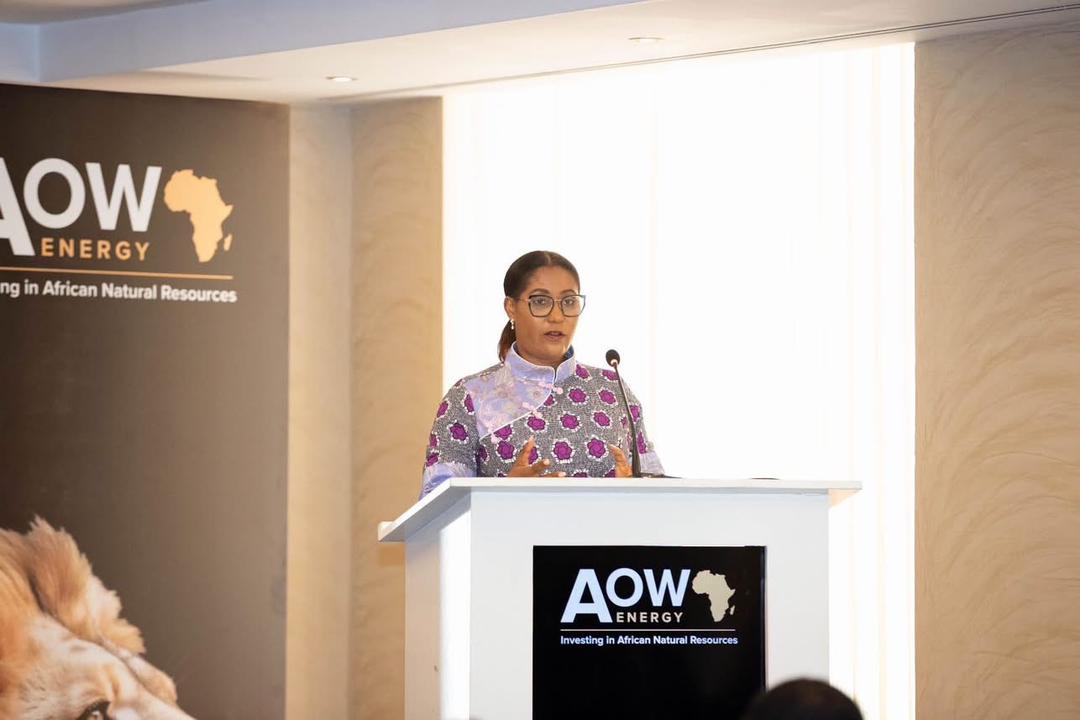
During the opening of the conference, Dr. Jinapor outlined Ghana’s intention to improve the competitiveness and predictability of the upstream investment environment while ensuring the country secures a fair and lasting share of the value generated from its natural resources.
The challenge is to achieve both objectives simultaneously.
A fiscal regime that is excessively burdensome can discourage investment and delay projects, while excessively generous terms can leave producing countries with inadequate returns from resources that belong to the state.
Ghana’s policy challenge is consequently one of balance: attracting sufficient capital to develop resources without weakening the public value derived from them.
This is particularly important as the country considers new exploration and farm-in opportunities.
GNPC And Industry Position Ghana For The Next Phase
The participation of GNPC and the Ghana Upstream Petroleum Chamber places both the state and private sector at the centre of the Ghana Day conversation.
GNPC has a strategic interest in ensuring that Ghana’s petroleum resources are developed in ways that strengthen domestic participation and expand the Corporation’s role across the upstream value chain.
Earlier discussions at AOW 2026 have already placed greater African participation, stronger local companies and increased value retention at the centre of Ghana’s petroleum ambitions.
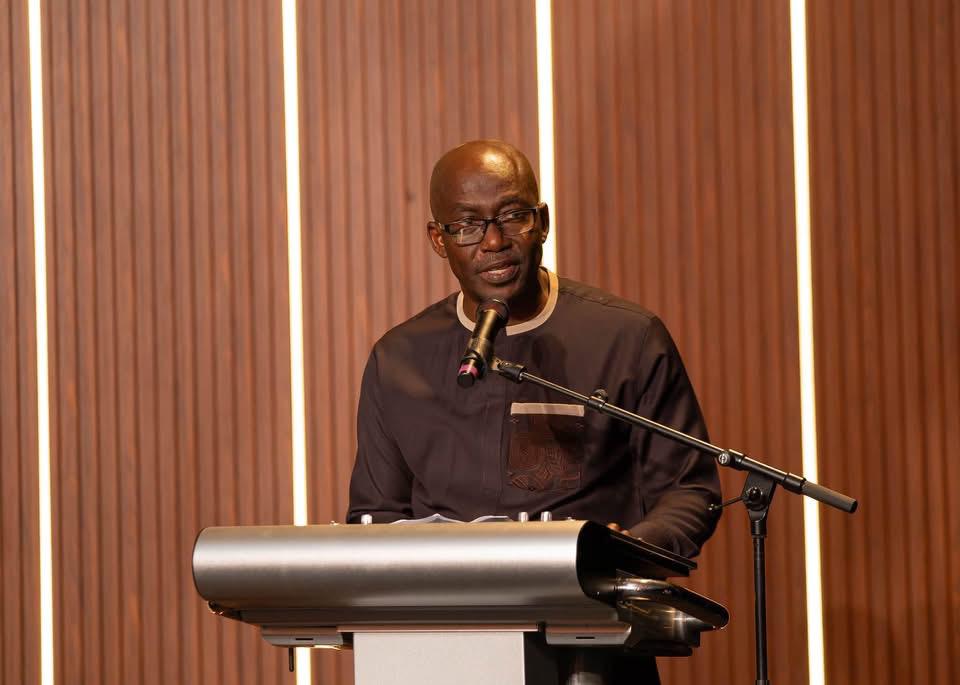
The issue is not simply how much petroleum Ghana produces, but how much economic activity can be built around its production.
That includes technical services, engineering, logistics, fabrication, professional services, data management and other activities that can create domestic capabilities and employment beyond direct oil and gas production.
The presence of the Ghana Upstream Petroleum Chamber also provides a private-sector perspective on the conditions required for companies to continue investing in the country.
“For us at GNPC, the conversations begin with a clear focus on investment, exploration, partnerships and greater value for Ghana.”
Kwame Ntow Amoah, Chief Executive, GNPC
The approach reflects a growing recognition that upstream petroleum policy must be connected to Ghana’s wider industrialisation agenda.
New petroleum investment can generate fiscal revenues, but the stronger development opportunity lies in using those revenues and associated industrial activity to build capabilities that remain valuable beyond the life of individual petroleum assets.
South Deepwater Tano Deal Highlights Exploration Push
The investment conversation at AOW 2026 has already been accompanied by a concrete development involving Ghana’s upstream acreage.
The Government of Ghana, GNPC, Shell Overseas Holdings Limited and Chevron Sub-Saharan Africa Ventures Ltd. have signed a Memorandum of Understanding concerning the acquisition of petroleum exploration and production rights over the South Deepwater Tano Block.
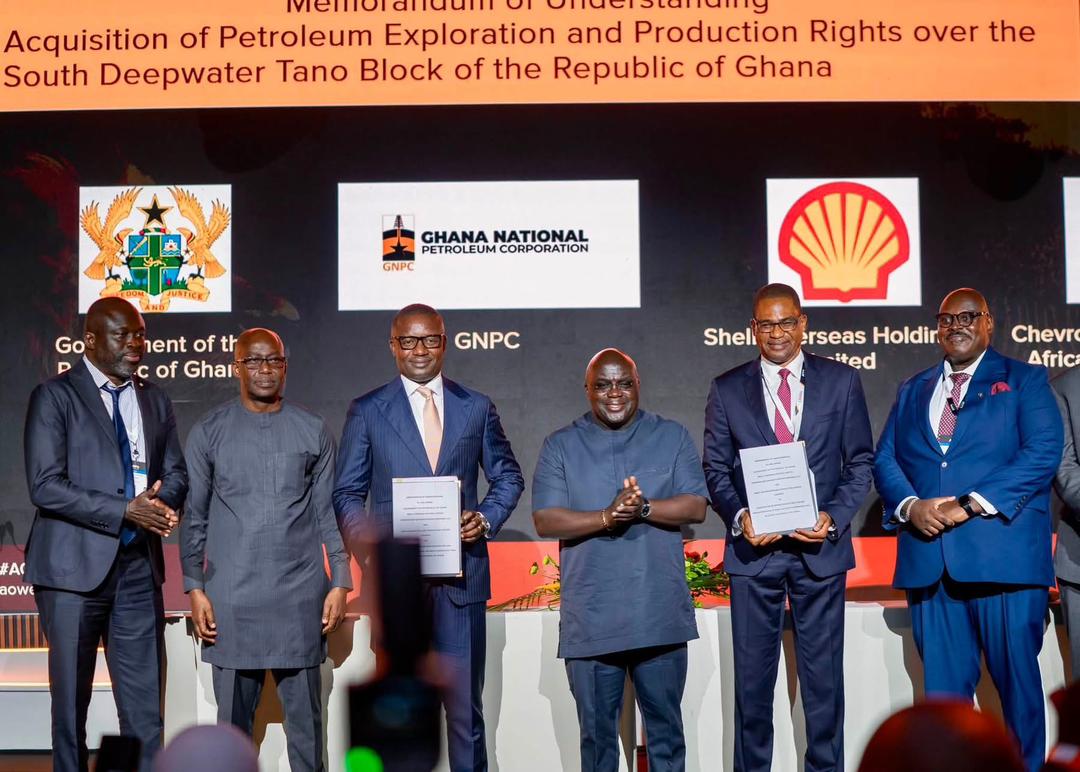
The agreement, signed during the opening of AOW 2026 by GNPC Chief Executive Kwame Ntow Amoah, provides an example of the type of partnership that Ghana is seeking to attract as it looks to expand exploration activity.
The significance of the development extends beyond the particular block.
New acreage arrangements can provide a pathway for additional exploration spending, technical activity and potentially future discoveries, while partnerships with international companies can bring capital, technology and operational expertise.
However, the commercial value of such agreements ultimately depends on exploration results and the ability to move viable discoveries through appraisal and development.
That is why the Ghana Day discussions around farm-ins, negotiations and competitiveness are closely connected.
From Resources To Economic Transformation
Ghana’s upstream petroleum strategy is increasingly being framed around a transition from extraction towards value creation.
The argument is straightforward: petroleum resources have a finite production life, meaning the economic returns generated during that period need to contribute to longer-term productive capacity.
Dr. Jinapor has repeatedly stressed the importance of using Ghana’s natural resources to support industrialisation, job creation and energy security.
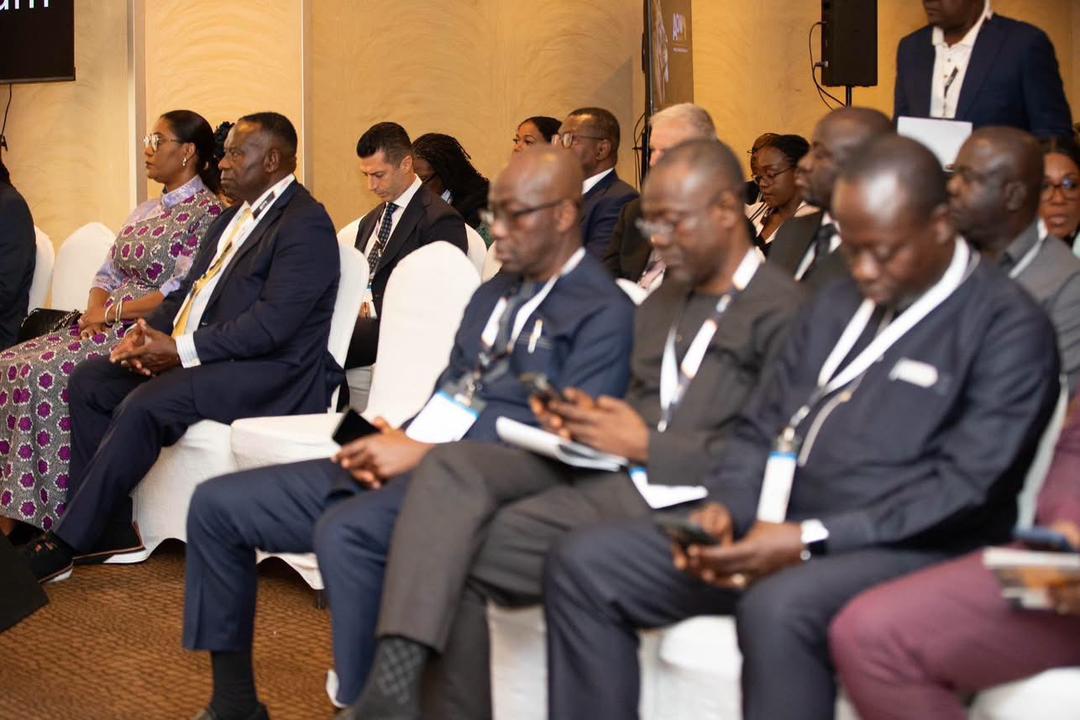
The same principle was evident in his opening remarks at AOW 2026, where he called for partnerships capable of converting Africa’s energy resources into investments, projects, employment and improved livelihoods.
Ghana Day consequently represents more than a promotional session for the country’s oil and gas industry. It provides a test of whether Ghana can present a sufficiently compelling investment proposition while maintaining the policy objectives of national participation and value retention.
“Our ambition is to move from resource extraction to value creation, drive industrialisation, create jobs and strengthen energy security.”
Dr. John Abdulai Jinapor, Minister for Energy and Green Transition
The emphasis on energy security is also significant.
Ghana’s petroleum resources sit within a wider energy system facing challenges around electricity reliability, fuel supply, financing and industrial energy costs. Upstream petroleum policy therefore cannot be considered entirely separate from the country’s broader energy strategy.
The challenge for policymakers is to ensure that petroleum investment contributes to a more resilient economy rather than simply increasing the volume of hydrocarbons extracted.
AOW 2026 Moves From Conversation To Commercial Action
As Day Two progresses, the central question for Ghana is becoming increasingly practical: can the investment interest generated at AOW 2026 translate into actual exploration commitments, farm-in transactions, field development and domestic economic opportunities?
The answer will depend partly on the credibility of the reforms being presented to investors and partly on the quality of the opportunities available.
The South Deepwater Tano MoU demonstrates that commercial conversations can produce tangible outcomes. Ghana Day now provides a broader platform for presenting additional opportunities and addressing the concerns that influence investment decisions.
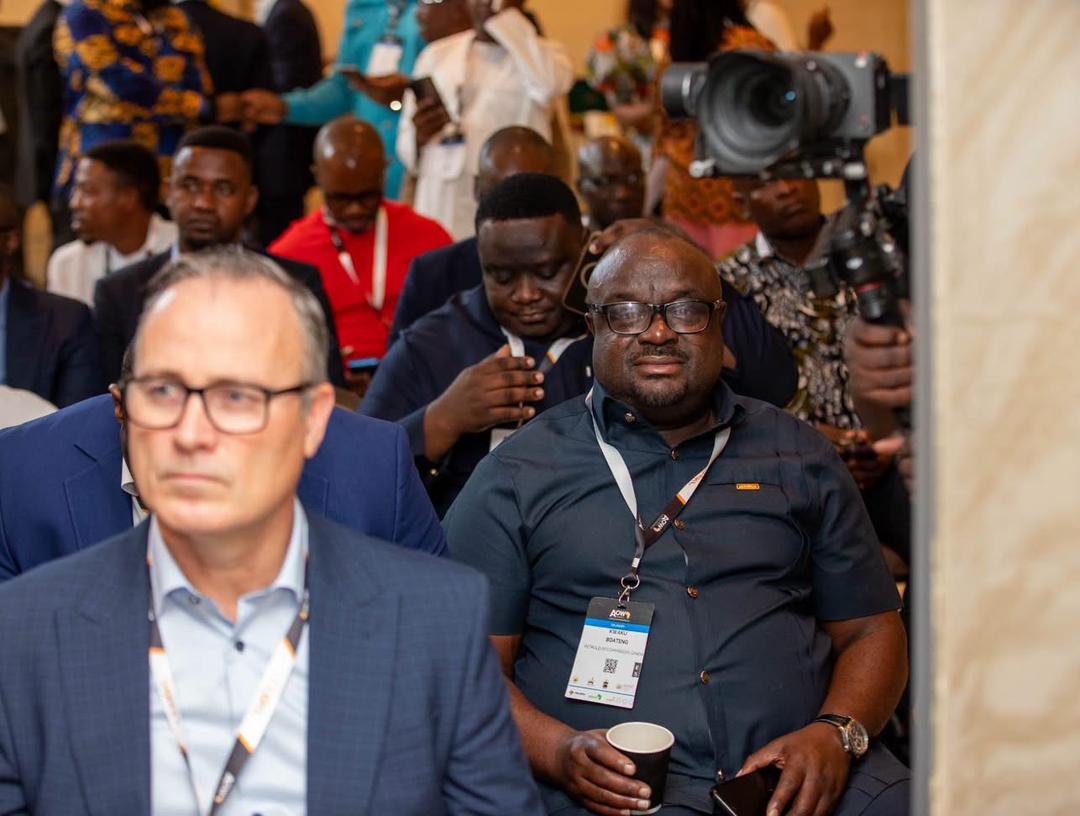
For Ghana, the objective should therefore extend beyond being a successful host of Africa Oil Week for a second consecutive year.
The more meaningful outcome would be leaving AOW 2026 with stronger investor confidence, concrete upstream commitments and partnerships capable of expanding the country’s petroleum base while increasing the share of economic value retained domestically.
The message from Day Two is consequently clear: Ghana is open to upstream investment, but the next phase of the industry will be judged by whether openness produces exploration, investment, production and lasting economic value.
READ ALSO: Ghana Reference Rate Plunges, Borrowers Brace for Cheaper Loans