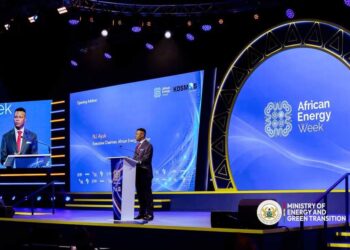
Ghana has used the opening of Africa Oil Week 2026 to reinforce its ambition to attract responsible investment into the petroleum sector while accelerating exploration and ensuring that the country captures greater economic value from its oil and gas resources.
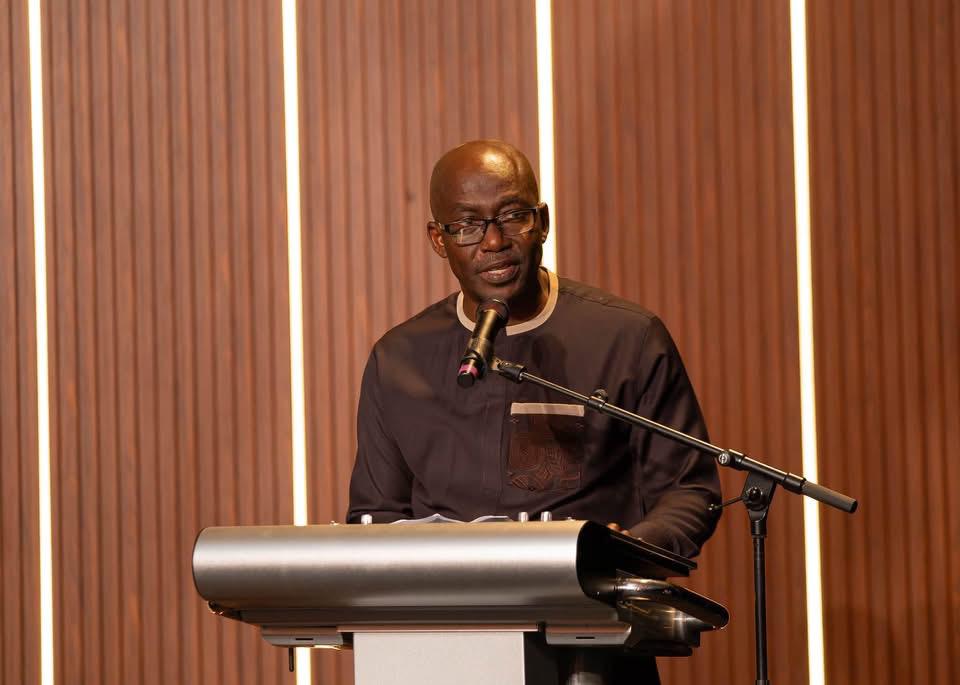
Addressing the opening ceremony on behalf of President John Dramani Mahama, Chief of Staff Julius Debrah said Ghana remained committed to creating an environment capable of attracting credible investors while advancing the exploration and development of its petroleum resources.
The message comes as Ghana seeks to sustain investor interest in its upstream sector, expand exploration activity and maximise the contribution of oil and gas to national development.
With existing producing assets facing the natural challenge of declining production over time, renewed exploration has become increasingly important to the long-term outlook of the petroleum industry.
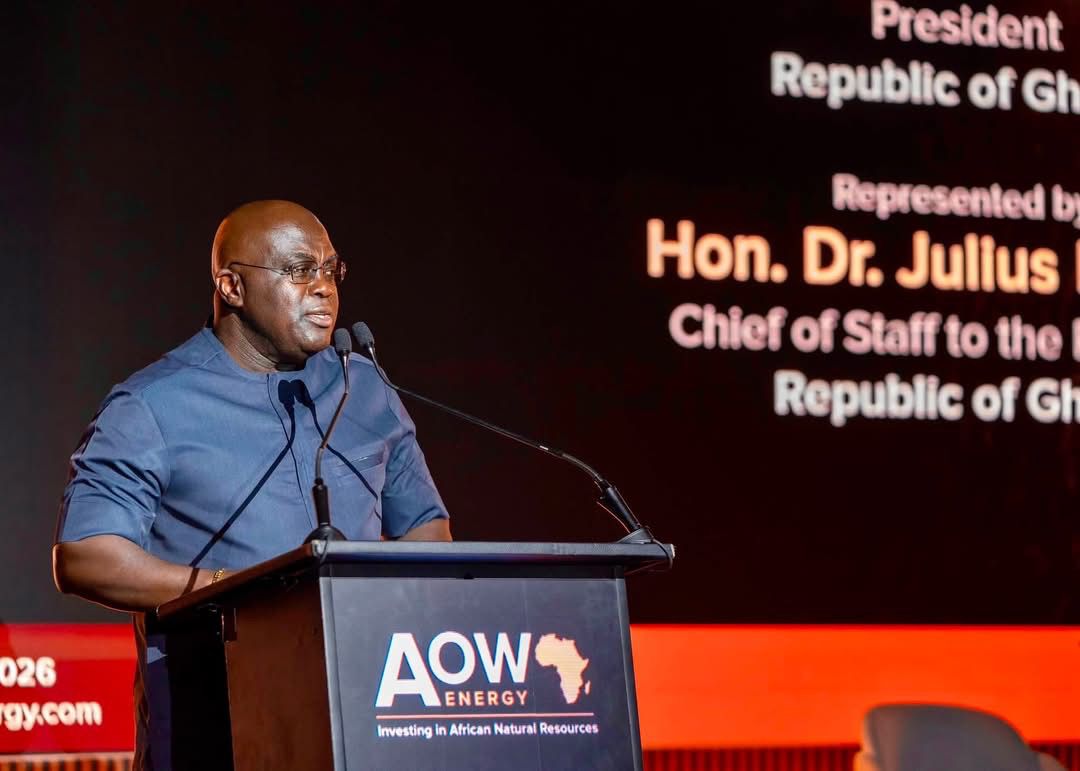
“Ghana remains committed to attracting responsible investment, advancing exploration and creating greater value from our oil and gas resources.”
Julius Debrah, Chief of Staff
The emphasis on responsible investment is particularly significant as African petroleum-producing countries compete for increasingly selective international capital.
Attracting investment is no longer simply a question of offering access to resources; investors also assess fiscal stability, regulatory certainty, geological data, infrastructure, project economics and the broader operating environment.
For Ghana, the challenge is therefore two-sided: maintaining an investment climate attractive enough to bring capital and expertise into the sector while ensuring that petroleum development generates meaningful domestic economic benefits.
Energy Resources Must Drive Economic Transformation
Minister for Energy and Green Transition John Abdulai Jinapor reinforced the investment message, calling for stronger partnerships capable of translating Africa’s energy resources into tangible economic outcomes.
His intervention shifts the discussion beyond the volume of resources available in Africa towards the capacity of governments and investors to convert those resources into productive economic activity.
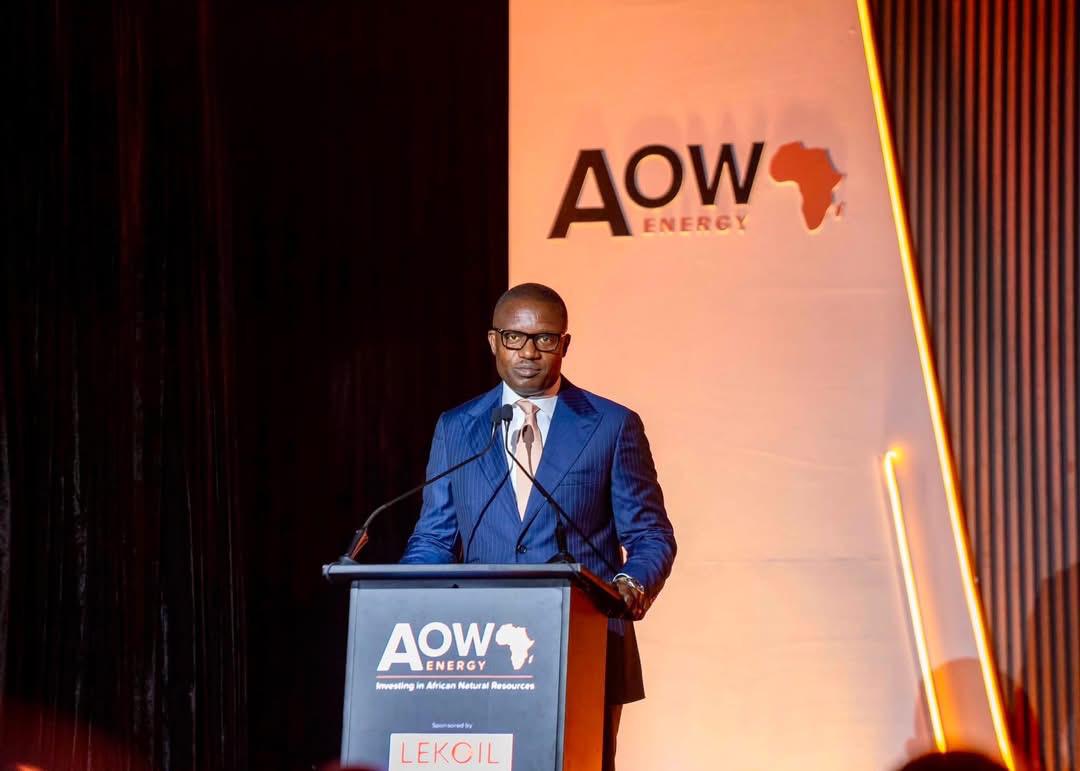
“Africa’s energy resources must translate into investments, projects, jobs and improved livelihoods.”
John Abdulai Jinapor, Minister for Energy and Green Transition
That distinction matters for Ghana because petroleum investment can generate substantial capital expenditure without automatically producing broad-based economic transformation.
The stronger development opportunity lies in connecting upstream activity with Ghanaian businesses, technical skills, employment, infrastructure and downstream economic activity.
Greater local participation can increase the domestic multiplier effect of petroleum projects, provided local companies are equipped to compete on quality, cost and technical capability rather than relying solely on preferential access.
The approach also places partnerships at the centre of Ghana’s energy strategy.
International companies can provide capital and specialised technical expertise, while Ghanaian institutions and businesses can provide local knowledge and gradually build the capabilities required to participate more deeply in the industry.
GNPC Puts Exploration And Value At Centre
For the Ghana National Petroleum Corporation, the opening of AOW 2026 provides an opportunity to communicate a more focused upstream agenda built around investment, exploration, partnerships and value creation.
The emphasis is particularly relevant to Ghana’s need to replenish its petroleum resource base.
New discoveries require significant exploration expenditure and carry considerable geological and commercial risks, making collaboration between national institutions and international investors essential.
GNPC’s approach also fits into a wider effort to position Ghana not merely as a host country for petroleum investment, but as an increasingly capable participant in the development of its own resources.
That requires stronger institutional capacity, better geological information, commercially sound partnerships and the ability to negotiate investment arrangements from an informed position.
The investment conversation at AOW 2026 therefore carries implications beyond individual petroleum projects.
Ghana’s ability to secure capital for exploration and development will influence future production, petroleum revenues, gas availability and the wider ecosystem of companies and workers that depend on the upstream industry.
The opening messages from government and GNPC collectively establish a clear expectation for the discussions taking place in Accra: investment must lead to projects, projects must create domestic value, and resource development must contribute more directly to economic transformation.
With policymakers, investors, operators and energy-sector institutions gathered in Ghana, the critical measure of the conference will ultimately be whether those commitments move from the conference floor into exploration programmes, investment decisions, partnerships and commercially viable projects capable of delivering lasting value to Ghana.
READ ALSO: Pauline Anaman Urges Africa To Define Its Own Critical Minerals