Reform UK has pledged to raise UK’s tax-free personal allowance to £15,000 if it wins the next general election, as the party seeks to place tax cuts and its economic agenda at the centre of its conference while facing renewed scrutiny over allegations concerning political donations.
According to Robert Jenrick, Reform UK’s economic spokesman, the policy is one of the party’s flagship measures, promising to introduce the increase within the first 100 days of taking office if he becomes chancellor.
Under the proposal, the personal allowance would rise by £2,430 from its current level of £12,570, which has remained unchanged since 2021 and is currently scheduled to remain at that level until 2031.
Reform estimates that the increase would save most taxpayers around £500 a year, while taking approximately 2.9 million people out of income tax altogether.
The party estimates that the measure would cost £17.7 billion in its first year, rising to £21 billion by the fifth year. Reform has said the policy would be financed through a broader programme of public spending reductions, which it estimates could generate about £80 billion.
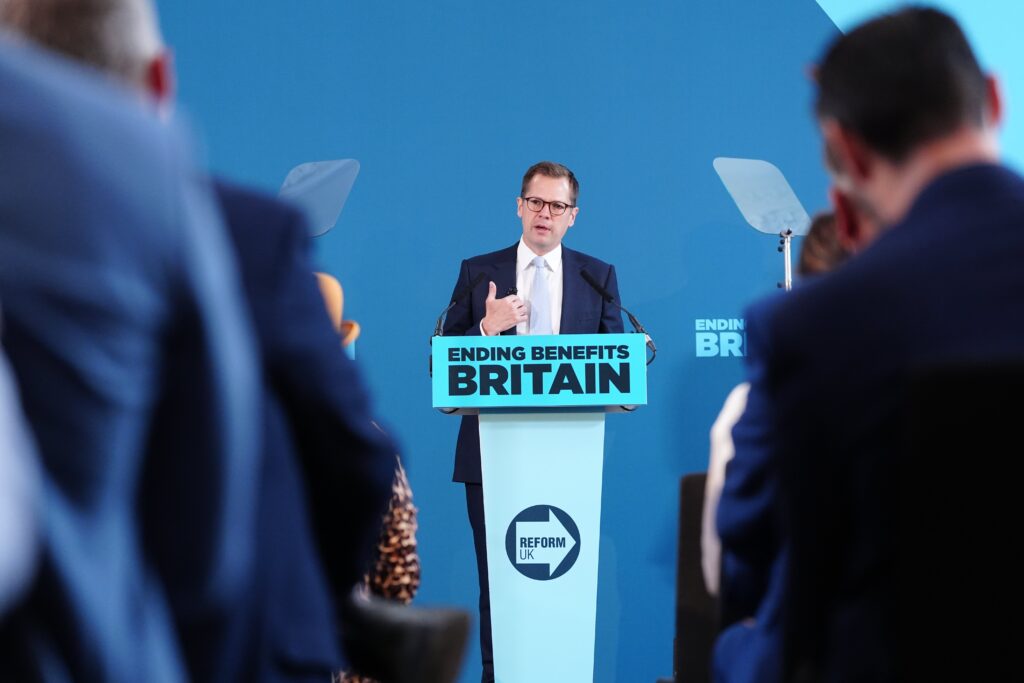
Jenrick presented the proposal as a direct intervention to ease pressure on working people, arguing that the additional disposable income would provide “money that people really need right now.”
The party has previously expressed an ambition to increase the personal allowance further to £20,000; however, for Jenrick, the threshold would be raised “step-by-step” as government finances allow.
The proposal comes as Reform attempts to shift political attention towards its economic programme following a fresh controversy surrounding allegations that senior party officials discussed ways of securing foreign donations while avoiding electoral law restrictions.
Two senior Reform figures, Dan Jukes and James Orr, have stepped down from their positions after an undercover investigation raised questions about the party’s handling of political donations.
Jukes, a senior aide to Reform leader Nigel Farage, and Orr, the party’s head of policy, were filmed by Verbatim Investigations allegedly discussing a possible route around electoral law to secure foreign funding for Reform, including one proposed donation worth £500,000.
Under UK electoral law, eligible donors to political parties include UK-registered voters and companies registered in the UK.

Reform UK Leader, Nigel Farage has rejected allegations of wrongdoing, insisting that the party had “done nothing wrong” and had taken “no illegal money. In fact no money was taken at all.”
Jukes has also denied wrongdoing, noting he is stepping away from politics “in order to clear my name,” while Orr added that he would cooperate fully with the party’s internal investigation.
The controversy has added pressure on Reform’s leadership as the party seeks to present itself as a credible alternative on taxation, public spending and the wider economy.
Reform Proposes Spending Cuts to Back Tax Pledge
Reform UK
Reform UK’s proposed tax cut forms part of a much broader plan to reduce public spending, with the party indicating that it could identify around £80 billion in savings that would allow it to reduce taxes while maintaining its wider economic programme.
According to Jenrick, Reform would finance the personal allowance increase by “cutting out the waste.”
A substantial portion of the proposed savings would come from welfare spending. Reform has previously outlined plans to reduce welfare expenditure by £50 billion, although it has said the state pension would not be targeted.
Around half of the £353 billion welfare budget goes towards the state pension, leaving the bulk of the proposed reductions to be found elsewhere within the welfare system.
Jenrick indicated that Reform would seek to reduce welfare costs partly by preventing benefits from being paid to people who are not British citizens and by supporting people who are unable to work because of mental health difficulties to return to employment.
The party has also identified foreign aid as another area for spending reductions. According to Jenrick, UK should “stop paying foreign aid to rich countries,” arguing that government spending should prioritise British citizens.
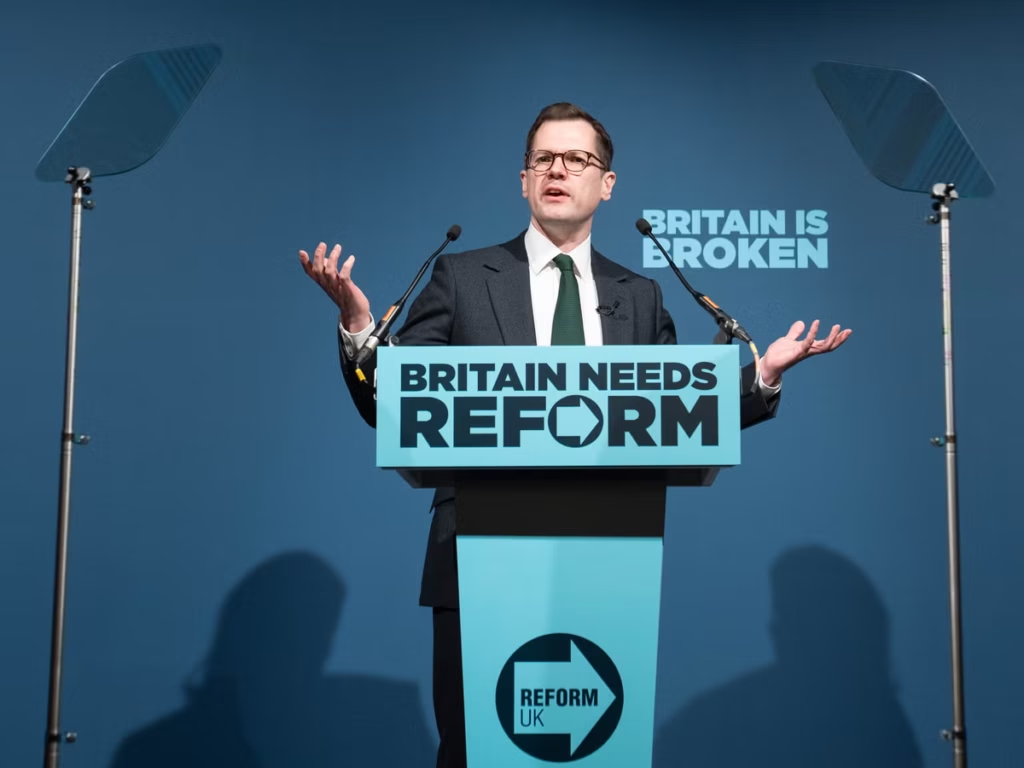
Jenrick added, “We should be looking after British people first. Yes, we’ll pay for disaster relief, but the vast majority of that budget should be spent on the priorities of our own people.”
Reform has separately proposed reducing spending associated with UK’s net-zero agenda, estimating that around £10 billion could be saved by scrapping what it describes as net-zero programmes.
Jenrick defended the proposal by pointing to the UK’s relatively small contribution to global emissions, arguing that it was not sensible for Britain to decarbonise faster than other countries if doing so imposed additional costs on households and businesses.
He added that UK accounted for only around 1% of global emissions and argued that moving faster than other countries was “just impoverishing our own people.”
The party has also identified reductions in the civil service as another source of savings, with Reform estimating that reducing the number of civil servants could raise approximately £8 billion.
READ ALSO: GSE Composite Gains 0.37% After Recent Market Losses