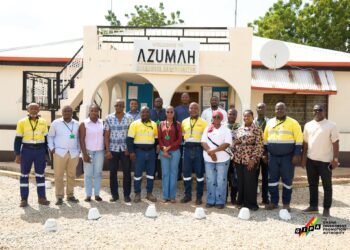
Zambia Investments Holdings Plc (ZCCM-IH) is looking to emulate Ghana’s GoldBoard model to formalise its artisanal and small-scale gold mining sector and unlock up to $1.8 billion in revenue.
The state-controlled mining investment firm aims to replicate Ghana’s institutional approach to bring Zambia’s informal gold production into a well-regulated and commercially viable ecosystem.
“Zambia’s decision to understudy Ghana’s framework highlights a shared continental commitment to bringing informal gold production into a structured, transparent, and commercially viable ecosystem. By replicating GoldBod’s institutional structure, we can curb revenue leakages, integrate small-scale miners into the mainstream economy, and ensure our mineral wealth directly supports national reserves and economic development.”
Ghana Gold Board
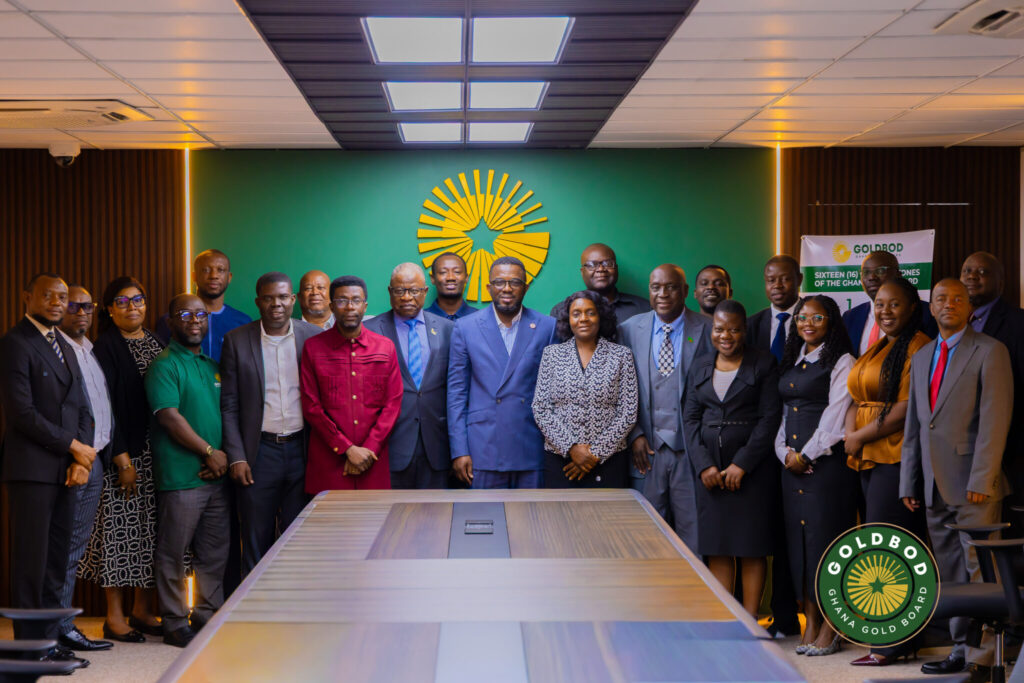
ZCCM Chief Executive Officer, Kakenenwa Muyangwa, noted that formalising the industry could drastically expand the southern African nation’s official gold output and export figures.
Official Zambian statistics indicated gold exports worth under $128 million in 2023, whereas foreign buyer records in the UAE and Hong Kong logged nearly $1.9 billion combined.
This striking disparity demonstrates the colossal economic value bleeding into illicit, unrecorded channels when gold trading remains unorganised.
Addressing this systemic leakage requires robust regulatory interventions and state-backed aggregation mechanisms.
The Formalisation Imperative: Eliminating Illicit Capital Flight
Ghana’s own journey toward structured mineral governance was born out of similar structural vulnerabilities where vast quantities of artisanal output slipped through porous borders.
Research conducted by SwissAid revealed that between 2019 and 2023, Ghana’s reported gold exports fell short of partner-country import figures by roughly 229 metric tonnes, representing $11.4 billion in uncaptured revenue.
The creation of GoldBod signaled a decisive shift from passive oversight to active market integration, converting potential leakage points into formalised aggregation corridors.

Under government reforms, GoldBod is mandated to purchase substantial volumes of small-scale gold and integrate them into a legal export pipeline capable of generating over $20 billion annually.
For Zambia, addressing this shortfall is an urgent economic imperative to capture lost domestic wealth. By formalising its artisanal sector through a structured operational buyer, Zambia can effectively shut down smuggling routes and establish verifiable supply chain traceability.
Building Institutional Synergies Across African Value Chains
The continent-wide interest in Ghana’s model highlights a growing realization that informal mining cannot be eradicated through punitive enforcement alone.
Instead, state entities must build attractive commercial systems that offer fair market pricing, technical assistance, and streamlined licensing.

By establishing accessible buying centers, state-backed boards incentivize small-scale miners to bypass black-market middlemen. This strategy converts informal mining operations into formal economic drivers that actively generate revenue for the state treasury.
Beyond primary aggregation, the GoldBod framework emphasizes domestic value addition, localized gold refining, and foreign reserve accumulation.
In Ghana, integrating artisanal output into the national framework directly supports central bank reserve accumulation and stabilizes the local currency.
A Regional Blueprint for Resource Nationalism and Economic Sovereignty
As sub-Saharan African economies navigate global market volatility, formalising small-scale gold extraction represents a critical pillar of modern resource nationalism.
The institutional collaboration between Ghana and Zambia demonstrates how peer-to-peer knowledge sharing can accelerate regulatory maturity across the continent.
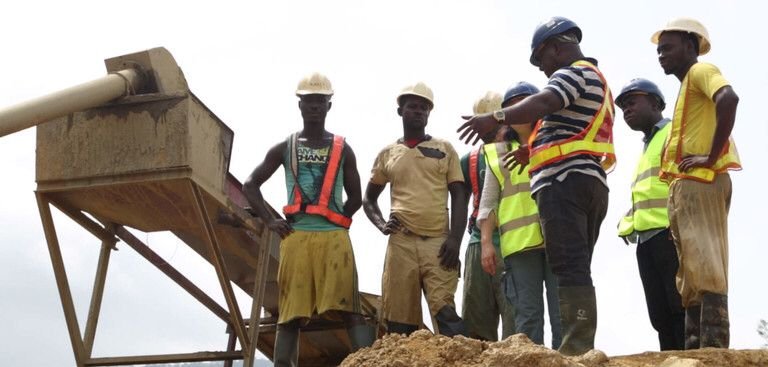
For countries grappling with illicit financial flows, establishing a centralized national board creates the institutional anchor necessary to monitor cross-border trade.
This protective structure shields artisanal miners from exploitation while securing crucial foreign exchange reserves.
Ultimately, Zambia’s adaptation of the GoldBod apparatus signals a broader paradigm shift across the African mining landscape.
Transforming underground smuggling channels into transparent commercial corridors allows African nations to take direct control of their natural resource wealth.
READ ALSO: Mbappé Left to Rue Late Penalty Miss as Betis Stun Real Madrid