The Tema Oil Refinery (TOR) is targeting a major expansion of its refining capacity, with management projecting an increase to 100,000 barrels per stream day within one to two years and a longer-term goal of reaching 200,000 barrels by 2028.
The plan, outlined by Managing Director Edmond Kombat at the Government Accountability Series on October 26, 2026, signals a shift from restoring operations at the state-owned refinery towards expanding its contribution to Ghana’s petroleum supply.
The proposed expansion follows the resumption of refining at TOR’s Crude Distillation Unit (CDU) in December 2025, after turnaround maintenance that lasted from August to October of that year.
Kombat said the government had directed the Energy and Green Transition Ministry to work towards increasing the refinery’s capacity, presenting the targets as part of a broader effort to strengthen national fuel-supply security.
The scale of the ambition, however, means TOR’s next phase will depend on whether operational improvements, equipment upgrades and reliable crude supplies can be translated into sustained increases in actual throughput.
From Restarting Operations To Expanding Capacity
TOR’s existing nameplate capacity stands at 45,000 barrels per stream day, but the refinery was processing approximately 28,000 barrels per day at the time described in the presentation.
Management said work was underway to complete the F-61 tie-in, an intervention expected to allow the CDU to operate at between 45,000 and 55,000 barrels per stream day.
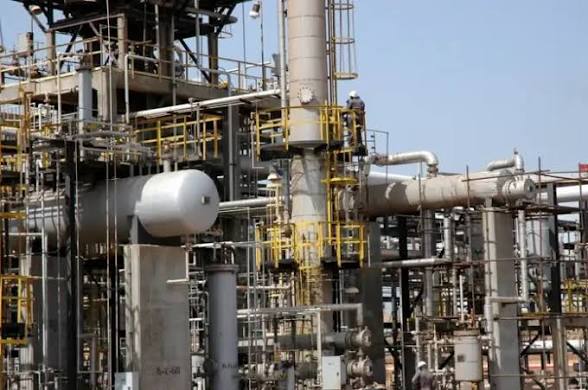
The distinction between capacity and throughput is important. While the refinery’s installed capacity indicates how much crude it is designed to process under specified operating conditions, actual throughput depends on equipment availability, maintenance, feedstock supply and the efficiency of its operations.
Moving from the reported throughput of about 28,000 barrels per day to the projected 45,000–55,000 range would therefore represent an important intermediate step before the more ambitious expansion to 100,000 barrels.
Kombat said work towards the 100,000-barrel target was advanced, with management expecting it to be achieved within one to two years. The longer-term objective is to reach 200,000 barrels per stream day between 2027 and 2028.
These figures represent management’s targets rather than installed capacity already available at the refinery.
Equipment Upgrades To Support Expansion
The capacity programme also involves changes to equipment intended to improve the refinery’s processing capability.
According to the presentation, TOR plans to replace its existing 6,500-barrel-per-day catalytic reformer with a 10,000-barrel-per-day continuous catalytic reformer.
The catalytic reforming process upgrades naphtha into components that can improve gasoline quality.
Management also reported the installation of a 20-tonne boiler, while work on the Residue Fluid Catalytic Cracking (RFCC) unit turnaround and the Supervisory Control and Data Acquisition (SCADA) system was continuing.
These interventions form part of the technical work required to improve operational performance and prepare the facility for a larger processing programme.
However, expanding the CDU alone would not automatically guarantee higher output of every petroleum product.
The performance of connected processing units, product specifications, maintenance schedules and the availability of supporting infrastructure will also influence what the refinery can deliver.
The presentation did not provide a complete cost breakdown or financing schedule for the proposed expansion to 100,000 and subsequently 200,000 barrels per stream day.
Crude Supply Becomes Central To The Plan
A larger refinery will also require a sustained supply of crude oil to operate at higher utilisation levels.
Kombat reported that TOR had received approximately five million barrels of crude since May 2026, with further cargoes scheduled monthly for the following six months.
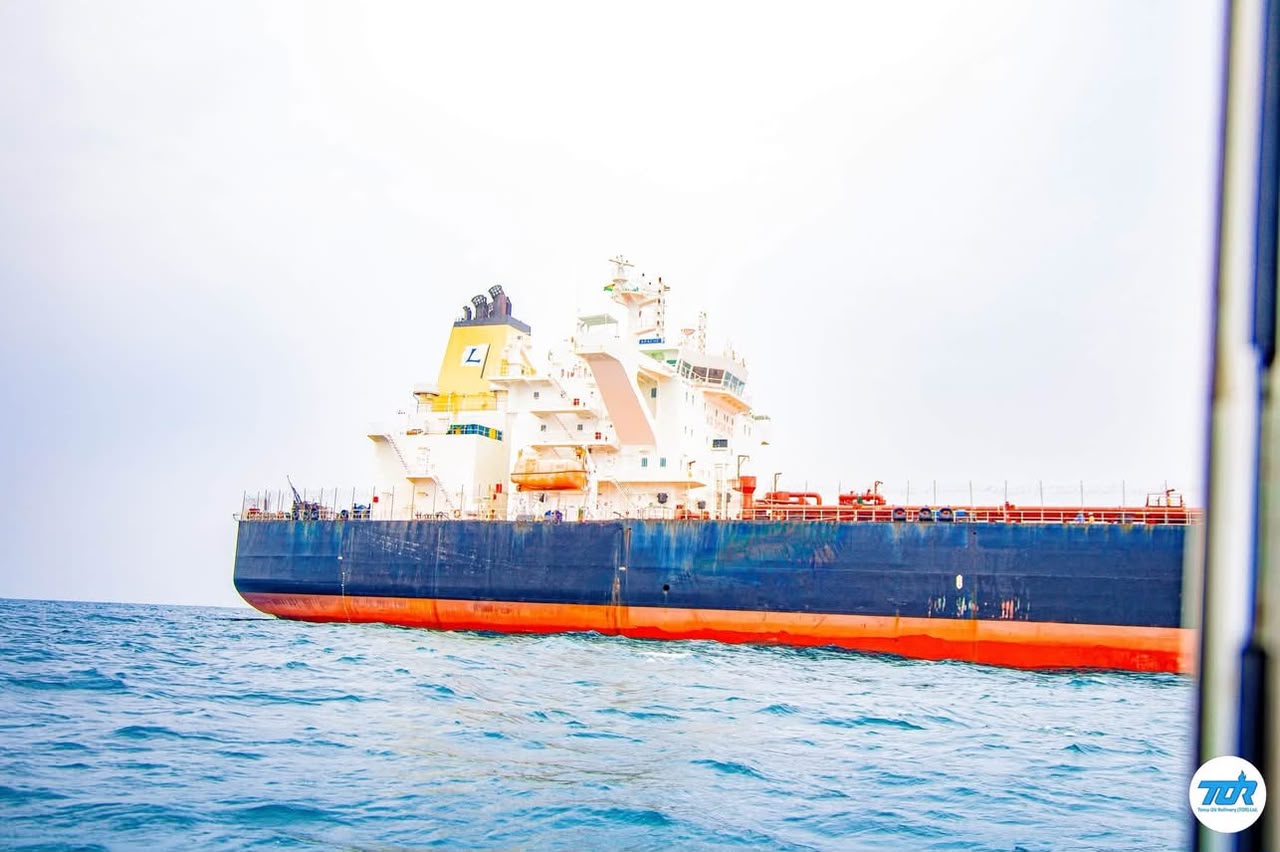
The deliveries included Ghana’s Jubilee crude, which arrived aboard the MT Apache on July 15, 2026, as well as a subsequent 950,000-barrel cargo supplied by the Ghana National Petroleum Corporation (GNPC).
The managing director presented the renewed supply arrangements as evidence that crude availability had improved from the conditions that previously constrained operations.
For the expansion programme, the key issue will be whether supply arrangements can keep pace with increased processing requirements. Higher installed capacity creates value only when sufficient feedstock is available on commercially sustainable terms and the refinery can process it reliably.
The proposed expansion would also need to be matched with arrangements for financing crude purchases, maintaining working capital and marketing the resulting products.
Domestic Refining And Fuel-Supply Security
The government’s capacity target reflects the strategic importance of domestic refining to Ghana’s petroleum supply chain.
TOR’s presentation argued that refining crude locally can reduce the volume of finished petroleum products that must be imported and retain more value within the domestic economy.

It also highlighted the role of cooperation among TOR, GNPC, the National Petroleum Authority and the Bulk Energy Storage and Transportation Company in supporting operations and product movement.
At its stated daily plate capacity of 45,000 barrels per stream day, TOR’s potential throughput is equivalent to roughly 35% of the 128,000 barrels per day of national consumption cited in the presentation.
That comparison is based on the refinery’s stated capacity, not its reported current throughput of about 28,000 barrels per day.
Reaching 100,000 or 200,000 barrels per stream day would significantly change the scale of TOR’s potential role. But the contribution to national supply would depend on actual production, the mix of products yielded, operating reliability and domestic demand.
The expansion should therefore be assessed not only by the capacity announced, but also by the volume of crude processed consistently and the quantity of marketable products delivered.
Execution Will Determine The Outcome
TOR’s proposed expansion is substantially larger than the immediate task of returning the refinery to operation.
It requires a sequence of equipment upgrades, sustained crude procurement, adequate financing and reliable performance across connected processing systems.
Management has set out a pathway from the current operating position towards 100,000 barrels per stream day within one to two years, followed by a longer-term ambition of 200,000 barrels by 2028.
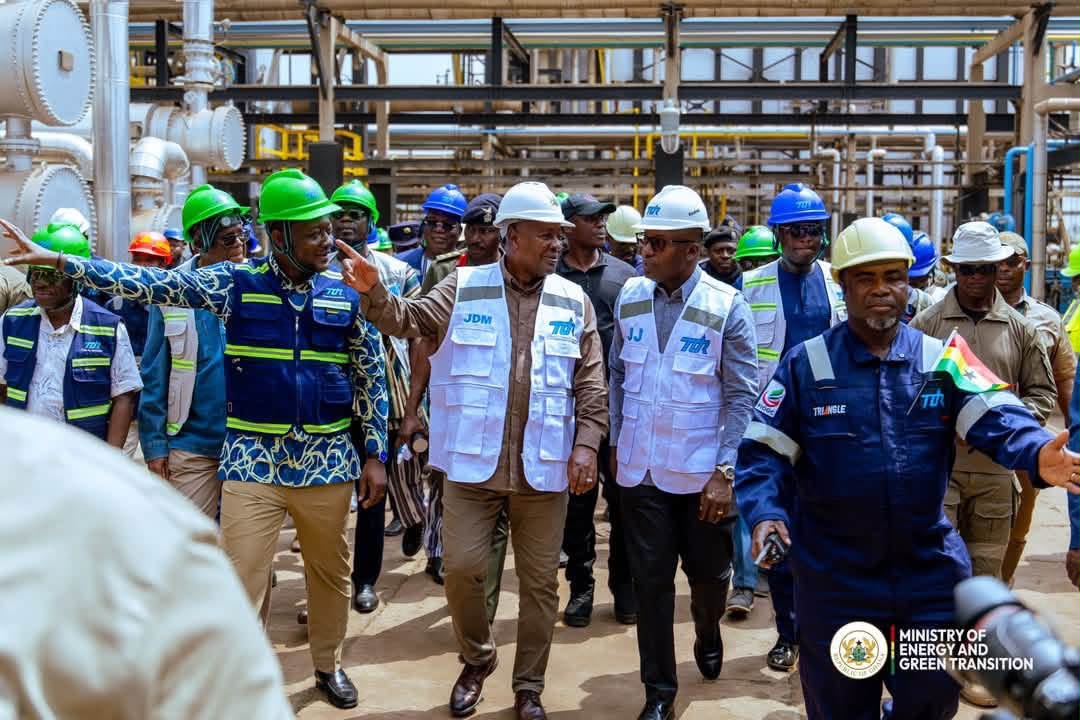
The next test will be converting that pathway into completed projects and measurable increases in throughput.
For Ghana, a successful expansion could strengthen domestic refining and provide another source of petroleum products.
For TOR, it would mark the transition from restoring a dormant asset to operating at a much larger scale.
The 2028 ambition is clear. Whether it is achieved will depend on the pace of investment, technical execution and the refinery’s ability to sustain production at the levels management is targeting.
READ ALSO: Evacuees Deny Claims of Unequal Payments After Repatriation