Category: Sub Top Stories2

  • Ato Forson Unveils Reforms to Cut Procurement Timelines, Curb Single-Sourcing

    Ato Forson Unveils Reforms to Cut Procurement Timelines, Curb Single-Sourcing

    Finance Minister Dr Cassiel Ato Forson has announced sweeping reforms to Ghana’s public procurement system while presenting the 2026 Mid-Year Budget Review to Parliament on Thursday, July 23, 2026, outlining measures designed to shorten procurement timelines, restrict single-source contracts and tighten rules governing restricted tendering.

    Dr Ato Forson told Parliament that the government intends to pursue reforms across three distinct areas of public procurement, each aimed at addressing longstanding inefficiencies and vulnerabilities within the system.

    “Government is proposing further reforms to public procurement in three different areas. First, the first reform is shortening procurement lead times. The second reform is to limit the use of single-source procurement, and the third is to tighten restricted tendering”.

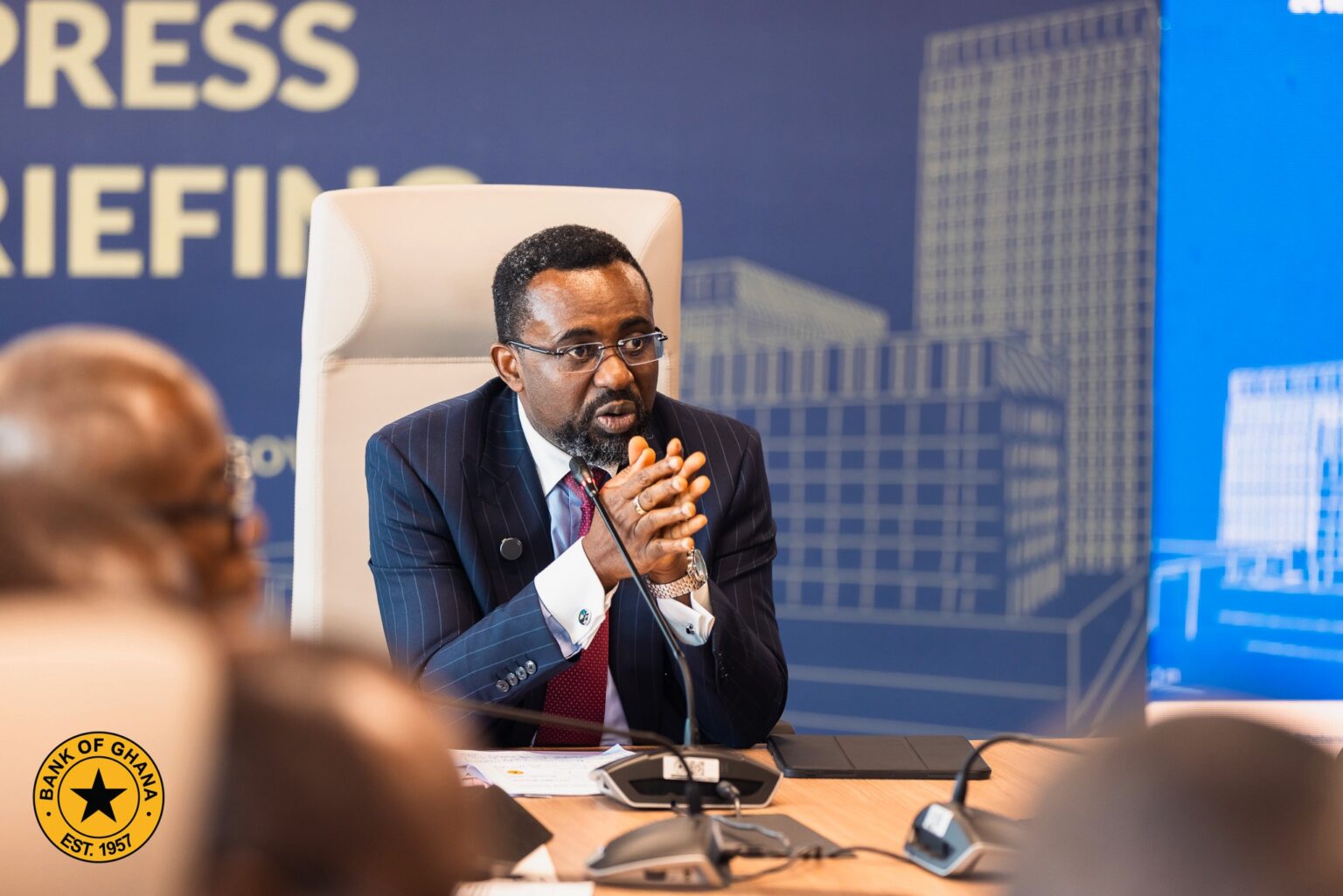
    Finance Minister Dr Cassiel Ato Forson

    Addressing the first of these reforms, Dr Ato Forson detailed specific reductions to the lead times currently governing national and international competitive tendering processes. “Government will shorten procurement timelines. The lead time for national competitive tendering for goods will be reduced from 23 weeks to eight weeks,” he said.

    Ghana’s Minister for Finance, Dr. Cassiel Ato Forson
    Ghana’s Minister for Finance, Dr. Cassiel Ato Forson

    He extended this commitment to international competitive tendering for works, announcing a similarly substantial reduction in processing time. “International competitive tendering for works will be reduced from 27 weeks to 14 weeks,” he said.

    Competitive Tendering to Remain the Standard Practice

    Dr Ato Forson emphasised that the government intends to preserve competitive tendering as the primary method for public procurement, with restricted tendering and single-source procurement treated strictly as exceptions rather than standard practice.

    “Competitive tendering must remain the norm. Restricted tendering and single-source procurement must be the exception. Government will therefore tighten the rules governing these exceptional procurement methods, strengthen oversight and improve accountability to ensure greater transparency and better value for money”.

    Finance Minister Dr Cassiel Ato Forson

    Single-Source Procurement Restricted to Genuine Emergencies

    Turning to the specific conditions under which single-source procurement would remain permissible, Dr Ato Forson outlined a narrow set of circumstances under which the government would allow this exceptional method to be used.
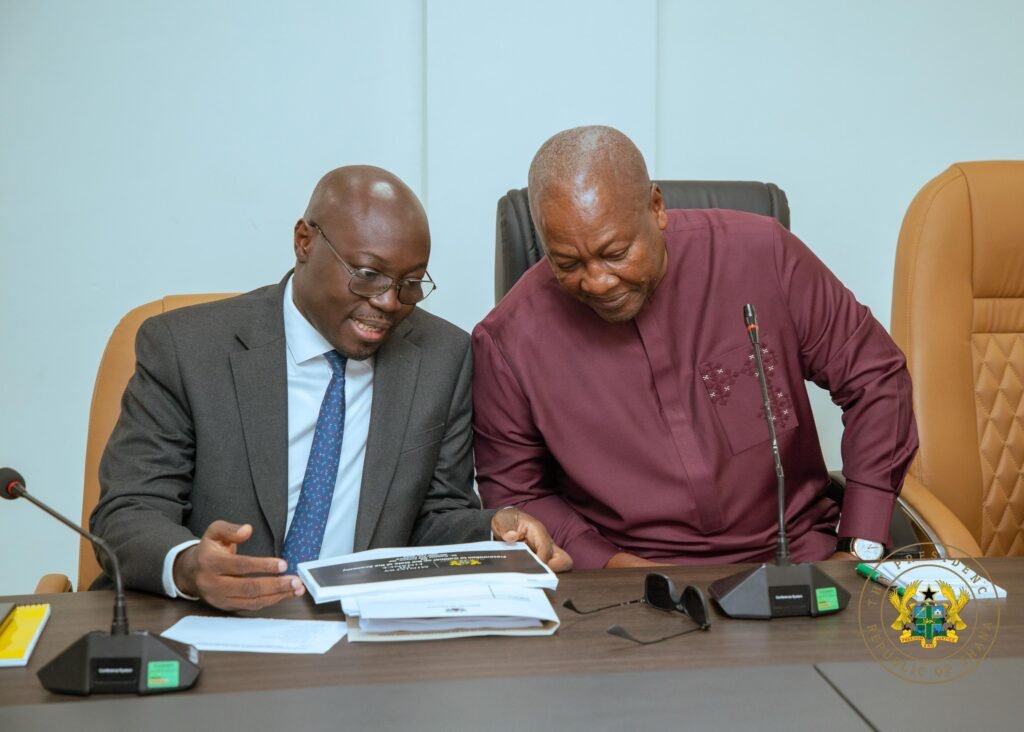
    President John Dramani Mahama (R) and Finance Minister Dr Cassiel Ato Forson (L)
    President John Dramani Mahama (R) and Finance Minister Dr Cassiel Ato Forson (L)

    “Single-source procurement will be permitted only in genuine exceptional circumstances such as emergencies, national security or where only one supplier is capable of delivering the required goods, works and services”.

    Finance Minister Dr Cassiel Ato Forson

    He was careful to draw a clear distinction between legitimate emergencies and situations arising from administrative failures, making clear that poor planning would no longer qualify as sufficient justification for bypassing competitive procurement. “Urgency arising from poor planning will no longer be treated as an emergency,” he said.

    New Sanctions for Procurement Act Violations

    To reinforce these reforms, Dr Ato Forson announced that government would introduce sanctions targeting approvals granted in breach of the Public Procurement Act, adding a layer of accountability aimed at deterring improper use of exceptional procurement methods.

    Dr Ato Forson framed the combined package of reforms as measures capable of producing tangible improvements across Ghana’s public procurement landscape, from faster project execution to reduced opportunities for abuse within the system.

    Minister for Finance, Dr. Cassiel Ato Forson
    Minister for Finance, Dr. Cassiel Ato Forson

    The procurement reforms announced during the 2026 Mid-Year Budget Review reflect the government’s broader effort to strengthen fiscal discipline and improve transparency across public spending, an area that has drawn sustained scrutiny amid Ghana’s ongoing economic recovery efforts.

    By significantly compressing procurement timelines while simultaneously tightening the exceptions that allow government to bypass competitive tendering, the reforms suggest an attempt to balance faster project delivery with stronger safeguards against procurement abuse.

    Whether these changes translate into measurable improvements in how efficiently and transparently government executes public contracts will likely become clearer as the reforms take effect in the coming months, particularly as government continues to navigate the broader fiscal pressures shaping this year’s budget review.

  • Mid-Year Budget Review: Ghana Targets Debt Ceiling With New Fiscal Rule

    Mid-Year Budget Review: Ghana Targets Debt Ceiling With New Fiscal Rule

    The Ghanaian government has unveiled a major fiscal restructuring plan aimed at reversing years of rising debt accumulation and restoring confidence in the country’s public financial management system. 

    As part of the midyear budget review, the government announced sweeping reforms, including a new binding fiscal rule that will limit debt levels and enforce stronger spending controls.

    The reforms, according to the government, represent a decisive shift from previous approaches to managing public finances, with greater emphasis now being placed on controlling expenditure, improving accountability and ensuring that public resources deliver measurable benefits to citizens.

    Presenting the Mid-Year Budget Review to Parliament, Finance Minister Dr Cassiel Ato Forson stated that the country’s International Monetary Fund (IMF) programme had been recalibrated to focus more on expenditure management rather than relying heavily on revenue increases.

    “Government also recalibrated their IMF programme, shifting the emphasis from revenue-led to expenditure-led fiscal consolidation to achieve a fairer sharing of the adjustment burden.” 

    Dr Cassiel Ato Forson

    The move signals a new direction in Ghana’s fiscal strategy, as authorities seek to reduce debt pressures while protecting households and businesses from excessive taxation.

    New Fiscal Rule Sets Strict Debt Limits

    A key component of the reform package is an amendment to the Public Financial Management Act, introducing a binding fiscal rule designed to keep government finances under tighter control.

    According to the FInance Minister, the new framework requires Ghana to maintain a minimum annual primary surplus of 1.5 percent of Gross Domestic Product (GDP) while working towards a debt-to-GDP ceiling of 45 percent by 2034.

    “We amended the Public Financial Management Act to institutionalise a binding fiscal rule requiring a minimum annual primary surplus of 1.5% of GDP and a debt-to-GDP ceiling of 45% by 2034.”

    Dr Cassiel Ato Forson

    The policy is expected to provide a stronger legal foundation for fiscal discipline and prevent future administrations from accumulating excessive debt without adequate safeguards.

    The government emphasised that the reforms were intended to change the perception of Ghana’s public finance management by ensuring that discipline becomes a permanent feature of state operations.

    “These reforms signalled that fiscal discipline would no longer define fiscal indiscipline would no longer define the Ghanaian state,” Dr Ato Forson added.

    State Enterprises Face Tougher Spending Controls

    One of the major concerns highlighted by government was the growing financial burden created by state-owned enterprises (SOEs). Authorities revealed that liabilities accumulated by SOEs had contributed significantly to Ghana’s debt challenges over the years.

    “Over the last 10 years, liabilities of state-owned enterprises have added the equivalent of about 3% of GDP to Ghana’s public debt every single year,” Ato Forson disclosed.

    According to the Finance Minister, some SOEs failed to honour contractual obligations, forcing government to absorb their liabilities and increasing pressure on public finances.

    “This occurred because state-owned enterprises failed to honour their contractual obligation compelling the government to assume and settle those liabilities,” he explained.

    The government argued that these accumulated obligations diverted resources away from critical national development projects.

    “This contributed to the sharp rise in Ghana’s public debt. As a result, the resources that would have financed critical infrastructure were used to pay those SOEs’ debt.” 

    Dr Cassiel Ato Forson

    The new commitment authorisation regime will now apply to state-owned enterprises, ensuring they cannot commit government resources without approval.

    Spending Controls And Accountability Measures Expanded

    To strengthen expenditure management, government has established new institutions including the Value for Money Office and the Fiscal Council.

    The Value for Money Office is expected to improve efficiency in public spending by ensuring that government projects and programmes provide maximum benefits to citizens.

    “We established the Value for Money Office to strengthen expenditure efficiency, improve the quality of public expenditure and ensure that every city spent delivers maximum value for the Ghanaian people.”

    Dr Cassiel Ato Forson

    The Fiscal Council will also enhance oversight by promoting transparency and accountability in government finances.

    The government further announced a comprehensive audit of public payables to eliminate irregular obligations and prevent the accumulation of unauthorized debts.

    Additionally, amendments to the Public Procurement Act will require commitment authorisation before procurement activities are undertaken.

    “This reform firmly linked procurement to the approved budget and restored discipline to public expenditure management across the government,” Dr Atol Forson said.

    Leaner Government And Tax Reforms

    Beyond expenditure controls, government announced measures to reduce administrative costs by shrinking the size of government.

    The number of ministers has been reduced from 123 at its peak to 60, while ministries have been cut from 30 to 23.

    Government explained that the decision was not only political but also a financial strategy.

    “A leaner government is not merely good politics but is also a sound fiscal policy,” it stated.

    Authorities also announced reductions in non-essential expenditure, including excessive foreign travel, workshops, conferences and unnecessary vehicle purchases.

    On taxation, government said it was pursuing reforms aimed at supporting businesses, improving compliance and restoring investor confidence.

    “The objective was very clear. First, to restore investor confidence. Second, to revive private enterprises. Third, to provide a relief to households and businesses.”

    Dr Cassiel Ato Forson

    As part of the tax overhaul, the government abolished several levies including the Electronic Transfer Levy, Betting Tax, COVID-19 Health Recovery Levy, Emission Tax and VAT on Motor Insurance.

    The reforms, the government believes, will create a more efficient tax system while reducing pressure on citizens and businesses.

    With the introduction of the new fiscal rule and stronger spending controls, Ghana is positioning itself for a new era of financial management aimed at reducing debt vulnerabilities and protecting future generations from excessive borrowing.

  • Mid-Year Budget Review- Ato Forson Declares Ghana’s Recovery No Accident
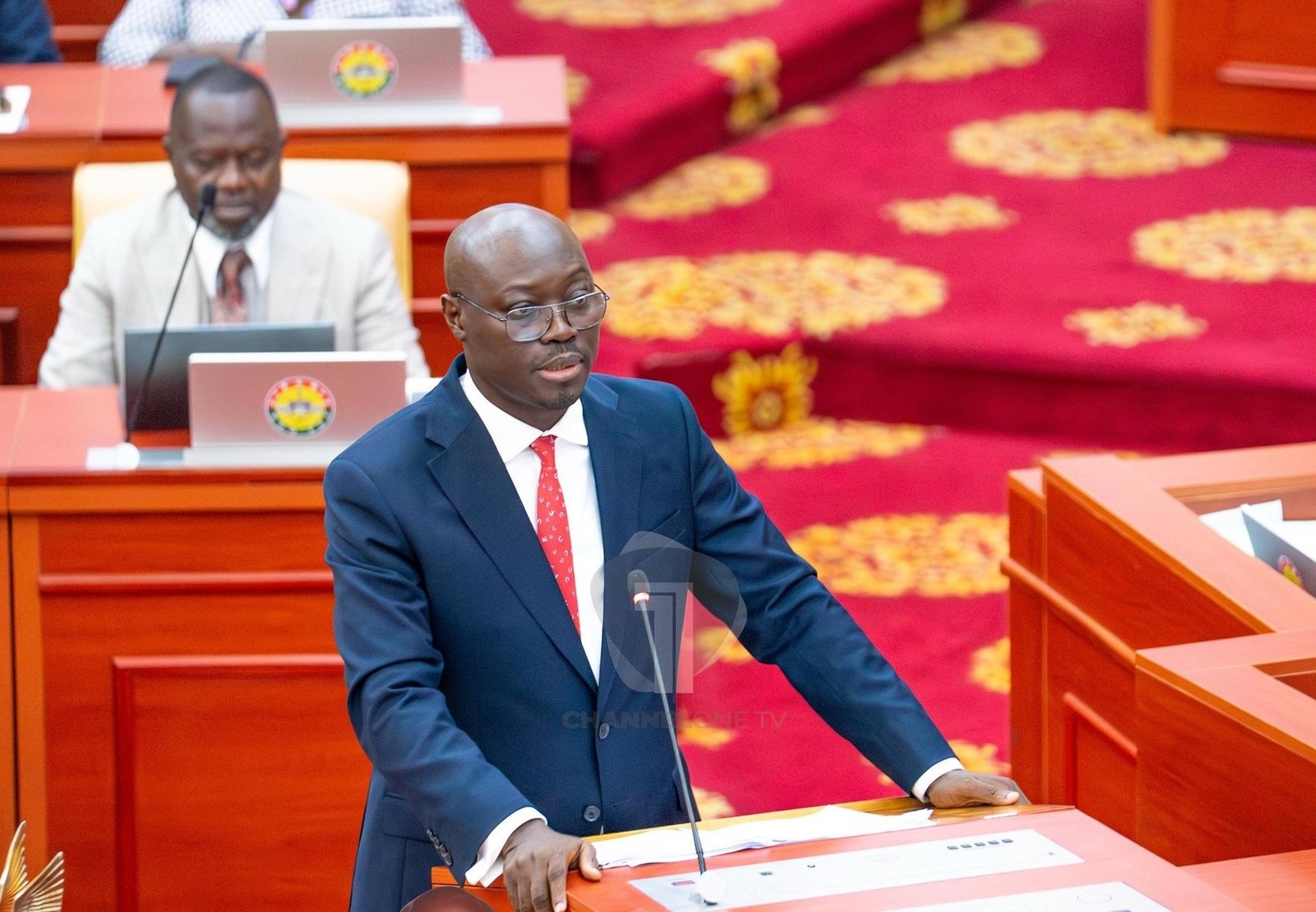
    Mid-Year Budget Review- Ato Forson Declares Ghana’s Recovery No Accident

    Finance Minister Dr Cassiel Ato Forson has rejected claims that Ghana’s recent economic improvements are the result of coincidence, insisting that the country’s recovery is being driven by deliberate policy choices, fiscal discipline and stronger economic management.

    Presenting the Mid-Year Budget Review to Parliament on Thursday, July 24, Dr Forson argued that Ghana’s progress under the current administration was achieved through a carefully planned reform programme aimed at restoring stability, rebuilding investor confidence and strengthening public finances.

    According to the Finance Minister, the economic gains recorded in recent months were not simply inherited benefits from external programmes but the outcome of tough decisions taken by government since assuming office.

    “Ghana’s recovery is as a result of superior economic management,” Dr Forson told Parliament, stressing that the improvements in key economic indicators reflected the impact of government interventions.

    Recovery Built Through Difficult Decisions

    Dr Forson said when the administration took office, it immediately recognised that Ghana required more than temporary measures to address its economic difficulties.

    He explained that government concluded that the previous approach to managing the economy was insufficient and that structural reforms were necessary to restore confidence.

    “When this administration assumed office, it moved swiftly and decisively to stabilise the economy and begin the work of national reconstruction. It was immediately clear that the old model of managing the economy had failed and Ghana did not need incremental adjustment, but it needed structural reforms.”

    Dr Cassiel Ato Forson

    The Finance Minister acknowledged that the reforms introduced were challenging and required sacrifices from citizens, but argued that they were necessary to place the economy on a stronger foundation.

    “These decisions demanded our collective sacrifice, but they were necessary to restore stability and rebuild confidence,” he stated.

    IMF Programme Not Sole Reason for Progress

    Dr Forson pushed back against suggestions that Ghana’s economic recovery was mainly due to the International Monetary Fund programme or the country’s debt restructuring process.

    While recognising the importance of those interventions, he maintained that they only provided support and could not replace sound domestic economic management.

    “Debt restructuring may create fiscal space, but it does not create fiscal discipline,” Dr Forson said.

    “An IMF programme may provide a framework, but it cannot substitute for sound policy, disciplined implementation and political will.”

    Dr Cassiel Ato Forson

    He argued that sustainable recovery depends on strong leadership, effective policies and consistent implementation.

    “Sustainable economic recovery is built on good policy choices, competent economic management and disciplined execution, and most importantly, courageous leadership.” 

    Dr Cassiel Ato Forson

    Three Major Reforms Behind Ghana’s Economic Revival

    The Finance Minister identified three major policy reforms that he believes have driven Ghana’s turnaround.

    The first reform was fiscal correction, aimed at controlling public finances, reducing unnecessary expenditure and placing public debt on a sustainable path.

    The second was the modernisation of Ghana’s tax regime to improve domestic revenue mobilisation.

    The third was the implementation of complementary fiscal policies designed to support inflation reduction and exchange rate stability.

    “These key transformational reforms are as follows. The first is fiscal correction, the second is the modernisation of Ghana’s tax regime, and the third is a complementary fiscal policy for inflation targeting and exchange rate stability.”

    Dr Cassiel Ato Forson

    Spending Cuts Deliver Fiscal Improvement

    According to the Finance Minister, one of the major achievements of government’s fiscal correction programme was a significant reduction in public expenditure.

    He said the 2025 budget was reset to 2023 nominal levels, with government eliminating what it described as wasteful spending and improving efficiency across the public sector.

    “As a result, primary expenditure declined sharply from 18.7% of GDP in 2024 to 13.2% of GDP in 2025,” Dr Forson explained.

    He described the adjustment as a major fiscal achievement because it was achieved without damaging economic growth. “A 5.5% adjustment without hurting economic growth,” he emphasised.

    The Finance Minister also highlighted improvements in Ghana’s primary balance, noting that the country moved from a deficit position into surplus.

    “The primary balance also improved from a deficit of 2.9% of GDP in 2024 to a surplus of 2.5% of GDP in 2025, placing public debt firmly on a downward trajectory.” 

    Dr Cassiel Ato Forson

    Ghana Sends Strong Signal to Investors

    Dr Forson said the fiscal reforms had sent a clear message to domestic and international investors that Ghana was committed to responsible economic management.

    He described the reduction in government expenditure as evidence that fiscal discipline had become central to economic governance.

    “Mr. Speaker, this sent an unmistakable signal to Ghanaians, investors and other development partners that fiscal discipline is the new order.” 

    Dr Cassiel Ato Forson

    The Finance Minister further argued that the progress recorded across inflation, debt management, fiscal performance and investor confidence reflected the impact of government’s reform agenda.

    He maintained that Ghana’s recovery was the result of intentional decisions rather than luck.

    “The evidence before us is overwhelming. Ghana’s recovery has been driven by a deliberate programme of economic reforms implemented since President Mahama assumed office in January 2025.” 

    Dr Cassiel Ato Forson

    As the government continues implementing its economic programme, the Finance Minister believes the foundation has been laid for sustained growth, improved fiscal stability and renewed confidence in Ghana’s economy.

  • ACEP Cautions Ghana Against Measuring Jubilee Recovery Only by Higher Production

    ACEP Cautions Ghana Against Measuring Jubilee Recovery Only by Higher Production

    The expected recovery of Ghana’s Jubilee oil field must be assessed beyond increased production figures, with attention placed on whether higher petroleum output can deliver sustainable economic benefits through effective revenue management, the Africa Centre for Energy Policy (ACEP) has cautioned.

    The comment follows an operational update from Kosmos Energy indicating improved production performance at the Jubilee Field after a new drilling campaign, with the company projecting stronger output levels following the commissioning of new wells.

    However, Head of Petroleum and Conventional Energy at ACEP, Mr Kodzo Yaotse, said Ghana’s experience with previous production forecasts shows the need for caution, arguing that increased output projections must translate into sustained improvements in overall national production.

    Speaking in an interview with The Vaultz News, Mr Yaotse said while the latest development presents an opportunity for Ghana’s upstream sector, similar expectations have emerged in the past without fully reversing the decline trajectory of the country’s oil production.

    We have heard this kind of news from the producers over and over again. When Jubilee South East was commissioned, we were promised that it was going to deliver an additional 33,000 barrels of oil. But two years down the line, the decline in Ghana’s total production, of which Jubilee is the biggest production field, has not been arrested.

    Head of Petroleum and Conventional Energy at ACEP, Mr Kodzo Yaotse

    Production recovery must prove sustainable

    Mr Yaotse explained that the latest drilling campaign provides renewed optimism but said the industry must wait to determine whether the additional production will be sustained over time.

    He noted that Ghana’s oil sector has experienced declining production since 2019, making consistent output growth critical to restoring confidence in the sector and improving petroleum revenue prospects.

    Downstream Petroleum

    We can only hope that this time round, the additional campaign that has been done would result in increased production to really stem the tide in the decline that we have witnessed in Ghana’s oil space since 2019.

    Head of Petroleum and Conventional Energy at ACEP, Mr Kodzo Yaotse

    Jubilee, Ghana’s largest producing oil field, has historically been a major contributor to the country’s crude oil output and petroleum revenues since commercial production began in 2010.

    Any sustained recovery from the field could therefore have implications for government revenues, foreign exchange earnings and funding for national development priorities.

    Revenue allocation already defined under PRMA

    While increased production could result in higher petroleum revenues, Mr Yaotse stressed that Ghana already has a legal framework governing how petroleum receipts are allocated and utilised.

    Under the Petroleum Revenue Management Act (PRMA), petroleum revenues are distributed among various designated areas, including the Annual Budget Funding Amount (ABFA), the Ghana National Petroleum Corporation (GNPC), and the Ghana Petroleum Funds.

    images 4 1
    Kodzo Yaotse, Head of Petroleum and Conventional Energy, Africa Centre for Energy Policy (ACEP)

    For petroleum revenues, there is a mechanism for how petroleum revenues are spent in Ghana through the PRMA. So that means that for each of these purposes, there is going to be more money to share to them.

    Head of Petroleum and Conventional Energy at ACEP, Mr Kodzo Yaotse

    He explained that the focus should therefore not necessarily be on changing the allocation formula but on assessing whether funds reaching the various areas are being used effectively.

    According to him, the proportions prescribed under the law are largely being followed, but questions around impact require value-for-money assessments.

    As to when the money gets into those places, whether they are being used for the further purpose that is supposed to be used for, that is when you need to conduct value for money assessments on each of these to be able to arrive at that determination.

    Head of Petroleum and Conventional Energy at ACEP, Mr Kodzo Yaotse

    Focus shifts from revenue collection to impact

    Mr Yaotse noted that petroleum revenues have supported several national programmes over the years, including infrastructure and social interventions funded through the ABFA.

    He added that Ghana’s petroleum revenue framework also provides mechanisms that allow citizens and stakeholders to track how funds are managed.

    He pointed to the Heritage Fund and other petroleum funds as examples of structures established to ensure accountability and long-term benefit from the country’s natural resources.

    images 50
    PRMA

    According to him, the ability to trace petroleum revenues remains one of the key advantages of having a structured revenue management framework.

    That is the advantage of having the PRMA spell out what you should do with the money. So, you will be able to follow the money to see where the money goes.

    Head of Petroleum and Conventional Energy at ACEP, Mr Kodzo Yaotse

    Jubilee recovery presents opportunity and responsibility

    The potential increase in Jubilee production comes at a time when Ghana continues to seek ways to maximise value from its petroleum resources while addressing fiscal pressures.

    images 10 1
    Jubilee Oil Field

    For ACEP, the recovery represents an opportunity, but the ultimate measure of success will depend on whether additional oil production leads to stronger economic outcomes.

    As Ghana anticipates improved petroleum receipts from increased production, stakeholders say attention must extend beyond the number of barrels produced to how revenues generated are managed, invested and translated into national development.

  • Domestic Borrowing Pushes Ghana’s Debt To GH¢720.8bn

    Domestic Borrowing Pushes Ghana’s Debt To GH¢720.8bn

    Ghana’s public debt has climbed to GH¢720.8 billion in May 2026, with increased domestic borrowing emerging as the major force behind the latest surge in the country’s debt stock.

    The new figures from the Bank of Ghana’s July 2026 Summary of Financial and Economic Data show that Ghana’s total public debt is now equivalent to 45.1% of Gross Domestic Product (GDP), while the dollar value of the debt stands at US$61.5 billion.

    The increase marks another significant rise in the country’s borrowing levels, raising fresh concerns about debt management, fiscal discipline, and the government’s ability to maintain sustainable public finances.

    According to the data, Ghana’s debt stock has been rising consistently since the beginning of 2026. The country’s public debt stood at GH¢663.4 billion in January before increasing to GH¢674.1 billion in February.

    The upward movement continued in March when the debt stock reached GH¢686.1 billion, followed by another rise to GH¢695.9 billion in April. By May, the debt had crossed the GH¢720 billion threshold.

    Domestic Debt Becomes Major Driver Of Increase

    The latest debt increase has largely been driven by growth in domestic borrowing as government financing needs continue to put pressure on the local market.

    The Bank of Ghana data revealed that domestic debt increased sharply to GH¢379.1 billion in May 2026 from GH¢369.2 billion recorded in April. This represents about 23.7% of GDP.

    The domestic debt figure has risen steadily throughout 2026. In March, domestic debt stood at GH¢365.8 billion, after reaching GH¢360.4 billion in February. In January, it was estimated at GH¢341 billion.

    The continuous increase reflects the government’s reliance on domestic financing instruments to support budget operations, meet financial obligations, and fund development programmes.

    However, increased domestic borrowing can create challenges for the private sector by competing for available funds and potentially influencing interest rates. Analysts have often warned that excessive domestic borrowing could affect credit availability for businesses and households.

    External Debt Remains Relatively Stable

    While domestic debt recorded a significant increase, Ghana’s external debt position remained relatively stable during the period.

    The country’s external debt stood at US$29.1 billion in May 2026, slightly below the US$29.2 billion recorded in April. The external debt represented approximately 21.4% of GDP.

    The figure was unchanged from March 2026, when external debt was also recorded at US$29.1 billion.

    The stability in external debt comes as Ghana continues efforts to manage its international obligations following years of debt restructuring initiatives and fiscal adjustment measures.

    The government has been working to restore investor confidence, strengthen debt sustainability, and improve its financial position through fiscal reforms and improved revenue mobilisation.

    Debt Growth Comes Despite Fiscal Surplus

    Despite the rising debt stock, Ghana recorded positive developments in its fiscal operations during the period under review.

    The fiscal balance-to-GDP position recorded a surplus of 0.1% in March 2026, indicating that government revenues slightly exceeded expenditures during the period.

    The country also recorded a primary balance surplus of 1.1% of GDP in March 2026.

    A primary surplus is often considered a key indicator of fiscal improvement because it shows that government revenue is sufficient to cover spending excluding interest payments on debt.

    The positive fiscal balance suggests that ongoing measures to improve government finances may be yielding results. However, the continued rise in debt indicates that borrowing remains an important component of government financing.

    Rising Debt Raises Questions Over Sustainability

    The latest debt figures are expected to renew discussions about Ghana’s long-term debt sustainability and fiscal strategy.

    Although the debt-to-GDP ratio remains below some of the levels recorded during previous years, the increase in nominal debt highlights the pressure government continues to face in financing public activities.

    Economic observers have emphasised the need for stronger revenue generation, expenditure controls, and efficient allocation of borrowed funds to ensure that new debt contributes to economic growth.

    The government’s ability to maintain fiscal discipline will remain critical as it seeks to balance infrastructure investment, social programmes, and debt repayment obligations.

    Ghana’s Borrowing Path Under Close Watch

    With public debt now standing at GH¢720.8 billion, attention will focus on how the government manages future borrowing requirements and whether fiscal improvements can be sustained.

    The increase in domestic debt suggests that local financing remains a major pillar of government operations. While borrowing can support economic development when used effectively, rising debt levels require careful management to avoid renewed financial pressures.

    As Ghana continues its economic recovery efforts, the trajectory of public debt will remain a key measure watched by investors, businesses, and citizens.

    The challenge ahead will be ensuring that borrowing translates into productive investments capable of strengthening economic growth while keeping debt levels under control.

  • Banks Dump GH¢883.7 Million in Bad Loans

    Banks Dump GH¢883.7 Million in Bad Loans

    Ghana’s banking sector has written off a staggering GH¢883.7 million in bad loans within the first four months of 2026, highlighting the enormous cost of loan defaults even as the industry records signs of improving asset quality.

    Fresh figures from the Bank of Ghana’s Domestic Money Banks Income Statement reveal that the amount written off between January and April 2026 represents a sharp 35.1 percent increase compared to the GH¢654.2 million recorded during the same period in 2025. The development underscores the persistent challenges banks continue to face in recovering loans from borrowers despite broader improvements in credit risk indicators.

    The latest data paints a picture of a banking sector that is making progress in cleaning up its balance sheets while simultaneously absorbing significant financial losses from loans that have become virtually impossible to recover.

    Bad Loan Write-Offs Hit Record Levels

    The GH¢883.7 million write-off reflects an aggressive effort by banks to remove defaulted and uncollectable loans from their books. According to the Bank of Ghana, the total provisions made by banks covered loan losses, depreciation, and other related items.

    Loan write-offs are a standard accounting practice used by financial institutions when borrowers fail to repay their obligations over an extended period, typically after more than 180 days of default. Rather than keeping these non-performing assets on their balance sheets indefinitely, banks remove them to present a more accurate picture of their financial health.

    While such write-offs improve the quality of banks’ balance sheets, they also represent real financial losses that can affect profitability and capital levels if they continue to rise.

    The more than GH¢883 million written off within just four months demonstrates the scale of the credit challenges that still exist in parts of Ghana’s economy.

    Asset Quality Shows Encouraging Improvement

    Despite the surge in loan write-offs, the Bank of Ghana’s report also offers encouraging news regarding the overall quality of bank assets.

    The industry’s Non-Performing Loans ratio declined significantly to 18.0 percent in April 2026 from 23.6 percent recorded in April 2025. This marks a substantial improvement in the proportion of loans that have fallen into default.

    The improvement becomes even more pronounced after adjusting for fully provisioned loan losses. Under this measure, the adjusted NPL ratio declined from 9.0 percent a year earlier to just 5.6 percent in April 2026.

    These figures suggest that banks have strengthened their credit risk management practices while actively addressing legacy problem loans that accumulated over previous years.

    For investors and depositors, the declining NPL ratio signals that Ghana’s banking industry is becoming more resilient despite continuing challenges in specific sectors.

    Banks Dump GH¢883.7 Million in Bad Loans

    Total Bad Loans Continue to Decline

    Another positive development emerging from the central bank’s report is the reduction in the total stock of non-performing loans across the banking sector.

    The value of bad loans declined to GH¢20.7 billion in April 2026 from GH¢21.7 billion recorded during the same period last year. Although the reduction may appear modest, it represents meaningful progress considering the difficult operating environment faced by many businesses.

    The decline indicates that banks are gradually recovering from previous credit shocks while strengthening loan recovery efforts and improving lending standards.

    It also reflects the impact of stricter supervision by the Bank of Ghana and more disciplined risk management across financial institutions.

    Private Sector Dominates Loan Defaults

    The report also reveals where the bulk of Ghana’s bad loans are concentrated.

    The private sector continues to account for almost all non-performing loans within the banking industry. According to the data, 98.2 percent of all bad loans originated from private sector borrowers in April 2026, compared to 96.5 percent a year earlier.

    Meanwhile, the share attributed to the public sector declined sharply from 3.5 percent to just 1.8 percent over the same period.

    The figures suggest that while government-related credit exposure has improved, businesses and private borrowers remain the primary source of credit risk for banks.

    Given that private enterprises account for the largest share of total bank credit, the trend is not entirely surprising. However, it reinforces the need for stronger credit assessment, improved financial management among businesses, and enhanced loan monitoring.

    Agriculture Emerges as the Biggest Concern

    Although most sectors experienced improvements in asset quality, one sector continues to raise red flags.

    According to the Bank of Ghana, the agriculture, forestry and fishing sector recorded a worsening loan performance during the review period.

    The sector’s Non-Performing Loans ratio climbed from an already alarming 62.1 percent in April 2025 to an even higher 66.1 percent in April 2026.

    The increase makes agriculture the only major sector where asset quality deteriorated over the past year.

    This trend could reflect several challenges affecting agricultural borrowers, including climate-related risks, rising production costs, fluctuating commodity prices, and limited access to modern farming technologies that affect productivity and repayment capacity.

    The continued deterioration in agricultural loan performance may prompt banks to tighten lending standards for the sector unless additional risk-sharing mechanisms and policy interventions are introduced.

    Banking Sector Balances Recovery with Caution

    Although the surge in loan write-offs may appear alarming, the broader data presents a more balanced outlook for Ghana’s banking industry.

    Banks are actively cleaning up their balance sheets by removing long-standing bad debts while simultaneously recording lower non-performing loan ratios and reducing the overall stock of troubled loans.

    This suggests that financial institutions are becoming more disciplined in managing credit risk, even as they absorb substantial losses from legacy defaults.

    Going forward, maintaining this momentum will require stronger loan recovery strategies, prudent lending practices, and continued improvements in the financial health of businesses across key sectors of the economy.

    The latest figures demonstrate that while Ghana’s banking sector is steadily strengthening, the battle against bad loans is far from over.

  • EOCO Not Obliged to Announce Arrests, Security Consultant

    EOCO Not Obliged to Announce Arrests, Security Consultant

    A former Special Officer with the Bureau of National Investigation, Richard Kumadoe, has stated that Ghana’s investigative agencies, including EOCO, are under no legal obligation to issue public statements when arresting individuals under investigation.

    The Security Consultant made the remarks during an exclusive interview with The Vaultz News, in response to ongoing political criticism of the Economic and Organised Crime Office over its recent high-profile arrests.

    Asked whether state investigative bodies should be required to announce arrests publicly, or whether doing so risks compromising the presumption of innocence before charges are formally laid, Mr Kumadoe was direct in his response, stating plainly that no such obligation exists under standard procedure.

    “No, they are not. The BNI will not tell you why they arrest people or the reasons for the arrest. They are not obliged. Once in a while, you will see EOCO announcing it. But should EOCO announce the whole time when they arrest people or when they are investigating people? No, they don’t”.

    Security Consultant Richard Kumadoe

    Other Agencies Follow Similar Practice

    Mr Kumadoe pointed to how other state institutions handle public communication around investigations, noting that even bodies known for regular public engagement, such as the Office of the Special Prosecutor and the CID, typically limit formal announcements to the point of filing cases.

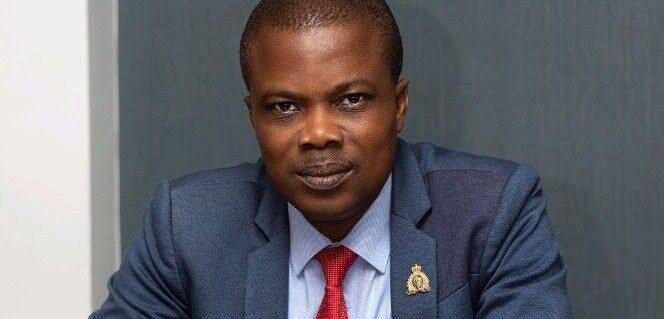
    Richard Kumadoe, Fraud Prevention Expert and Security Consultant
    Richard Kumadoe, Fraud Prevention Expert and Security Consultant

    “Because even OSP they file their cases and calls for a press conference. Is that not it? If you look at CID, the police will tell you on a daily basis what they are doing. But even with that one, the CID will file their cases and call a press conference.

    Security Consultant Richard Kumadoe

    He noted that such disclosures, while not mandatory, tend to benefit journalists and communicators seeking clarity on ongoing cases, and can occasionally serve the interests of the person under investigation as well.

    “For your safety, your security, your reputation, and many things. It’s about you, actually, in some instances. But as a matter of law and in line with standard procedure, as in law enforcement investigators or investigative agencies, they will not. Because they are not obliged”.

    Security Consultant Richard Kumadoe

    International Practice Backs His Position

    To reinforce his argument, Mr Kumadoe referenced how leading global security agencies handle public disclosure, pointing specifically to MI5, MI6 and the FBI as institutions that maintain similar discretion regarding ongoing investigations.

    “You guys, sometimes you compare our country to America, Britain, Canada, MI5, MI6. Did you ever hear them telling the general public the people they are investigating? No, they don’t.

    “The task force of the FBI, you will always see them in the public space. But the actual officers and what they are doing, what they are not doing, they don’t tell the general public”.

    Security Consultant Richard Kumadoe

    He explained that the sheer volume of cases handled by such agencies makes routine public disclosure impractical, given the scale of investigative work carried out daily. “Because these are guys who deal with thousands and millions of cases. If they are issuing statements about each one of them, how is it going to look like?” he said.

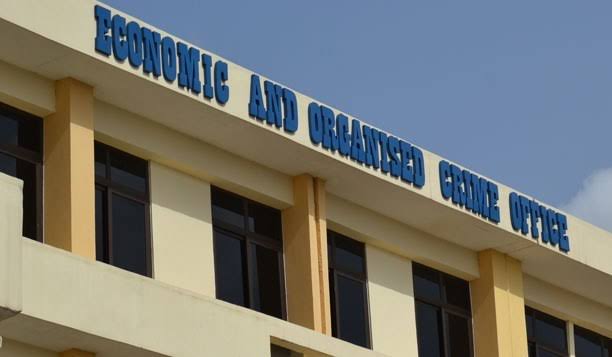
    EOCO Head Office
    EOCO Head Office

    Public Misunderstanding Fuels Political Tension

    Mr Kumadoe attributed much of the criticism surrounding EOCO’s communication approach to a broader gap in public understanding, compounded by political framing that distorts how these processes actually work.

    “So, it’s a whole lot of this underdevelopment, knowledge gap, and all manner of nonsense in the area of politics that creates a problem in the public space”.

    Security Consultant Richard Kumadoe

    He maintained that officers within these agencies remain professionals who understand the legal weight of their actions, adding that anyone who believes their rights have been violated retains a clear path to challenge such conduct through the courts.

    Mr Kumadoe also pushed back against public claims suggesting that individuals arrested by security agencies sometimes cannot be located afterward, dismissing such assertions as misleading given the structured nature of Ghana’s law enforcement system.

    “Sometimes, we hear people say they have arrested somebody and we cannot find them. That’s treacherous. The law enforcement agencies don’t have shrines and they don’t have cells in any booths”.

    Security Consultant Richard Kumadoe

    He explained that responsibility for a suspect’s whereabouts always rests clearly with whichever agency led the arrest, leaving little room for genuine confusion. “So, if the lead agency is the EOCO, then your client is in the EOCO. If the lead agency is the BNI, then your client is in the BNI. If the lead agency is the police, then your client is with the police. It’s as simple as that,” he said.

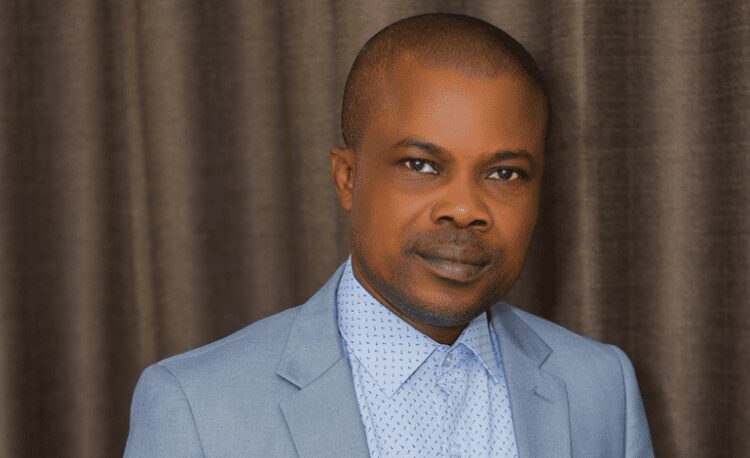
    Richard Kumadoe, Security Consultant and former Intelligence Officer
    Richard Kumadoe, Security Consultant and former Intelligence Officer

    Journalists Urged to Verify Facts

    Mr Kumadoe expressed concern that such distortions, when amplified without proper verification, damage public trust in state institutions and undermine efforts to build informed public discourse around law enforcement processes.

    “When we hear some of those things, and we expect the journalists to know better, and they also don’t know better, it creates some level of distortions and discrepancies in the public space. Then, it looks like we are not serious. We don’t know what we are about. We don’t know what we are doing in terms of public education and creating awareness”.

    Security Consultant Richard Kumadoe

    His remarks add further weight to an ongoing debate about transparency, accountability and the appropriate limits of public disclosure by Ghana’s investigative agencies, particularly as political scrutiny of EOCO’s methods continues to intensify.

  • BoG Flags New Inflation Threats to Economy

    BoG Flags New Inflation Threats to Economy

    Ghana’s battle against inflation has entered a new and more uncertain phase after the Bank of Ghana (BoG) warned that fresh inflationary pressures are beginning to emerge, raising questions about the country’s recent success in restoring price stability.

    Speaking at the opening of the 131st Monetary Policy Committee (MPC) meeting in Accra, Governor Dr. Johnson Asiama indicated that the country’s prolonged period of falling inflation has officially come to an end. While inflation remains comfortably below the central bank’s target ceiling, policymakers are now carefully assessing whether recent price increases represent a temporary adjustment or the beginning of a more persistent inflation cycle.

    The remarks have heightened expectations ahead of the MPC’s latest policy decision, which will determine whether the central bank maintains its current monetary policy stance or responds to the changing inflation outlook.

    Three Consecutive Months of Rising Inflation

    According to Dr. Asiama, headline inflation has increased steadily over the past three months, climbing from 3.2 percent in March to 3.4 percent in April, 3.7 percent in May, and 5.3 percent in June.

    The Governor attributed much of the latest increase to higher transport and haulage costs, which have filtered through the economy and contributed to rising consumer prices.

    Despite the recent acceleration, inflation remains significantly below the Bank of Ghana’s medium term target range of 8 percent, plus or minus two percentage points. It is also far lower than the 13.7 percent recorded during the same period last year, highlighting the remarkable progress made in stabilising prices over the past year.

    However, central bank officials believe the recent trend deserves careful attention.

    “Headline inflation has risen for three consecutive months from 3.2 percent in March to 5.3 percent in June, driven largely by transport and haulage prices,” Dr. Asiama told members of the committee.

    End of the Disinflation Era

    One of the most striking messages from the Governor was his declaration that Ghana’s prolonged disinflation phase has ended.

    For months, the country experienced a steady decline in inflation as tighter monetary policy, exchange rate stability and improving macroeconomic conditions helped ease price pressures across the economy. That period now appears to have given way to a phase of gradual inflation normalisation.

    Dr. Asiama explained that the committee’s primary responsibility during this week’s deliberations is to determine whether the latest increase represents a healthy return toward the central bank’s inflation target or the beginning of a more sustained inflationary trend.

    “The prolonged disinflation phase has ended indeed, and inflation is now returning towards the target band. Whether that return reflects orderly normalisation or the beginning of a more persistent change in the outlook is a central question for our meeting this week.”

    Dr. Asiama

    His comments suggest that policymakers are looking beyond the latest inflation figures and focusing on broader signals that could shape inflation over the coming months.

    Falling inflation

    Inflation Expectations Under Close Watch

    The Governor stressed that the committee’s attention extends beyond current inflation numbers.

    Instead, policymakers are increasingly concerned about inflation expectations, which often influence future price behaviour among businesses and consumers.

    If households begin expecting higher prices, spending patterns may change. Likewise, businesses anticipating higher production costs could adjust prices upward, creating a self reinforcing cycle that becomes increasingly difficult to reverse.

    “The central judgement in this is not whether inflation has moved but whether it is beginning to influence the expectations that shape price behaviour,” Dr. Asiama explained.

    This focus on inflation expectations reflects the Bank of Ghana’s commitment to preventing temporary price increases from evolving into a broader inflation problem.

    External Pressures Add to Uncertainty

    Beyond domestic transport costs, the MPC is also examining several external factors that could influence Ghana’s inflation outlook.

    Among the risks under consideration are movements in global commodity prices, which can significantly affect import costs and domestic production expenses. The committee is also evaluating the possible effects of future utility tariff adjustments and transport fare increases, both of which have the potential to push inflation higher.

    These factors could complicate the central bank’s efforts to maintain price stability, especially if multiple cost pressures emerge simultaneously.

    With global economic conditions remaining uncertain, policymakers are expected to weigh both domestic and international developments before reaching their final decision.

    Markets Await the Next Policy Signal

    Attention is now firmly focused on the outcome of the 131st MPC meeting later this week.

    Financial markets, businesses and investors are closely watching whether the Bank of Ghana maintains its current policy rate or signals a shift in response to the changing inflation environment.

    The Governor’s remarks suggest that while Ghana’s inflation performance remains encouraging, the central bank is not prepared to become complacent.

    Instead, policymakers are adopting a cautious approach that balances the need to support economic growth with the responsibility of preserving hard won gains in price stability.

    The coming policy announcement is therefore expected to provide important guidance on how the Bank of Ghana intends to respond to emerging inflation risks and whether the country can sustain its progress toward long term macroeconomic stability.

    As inflation gradually moves closer to the central bank’s target range, the decisions made during this week’s MPC meeting could shape Ghana’s economic direction for the remainder of the year.

  • Will BoG Hold or Cut? Markets Await July MPC Decision

    Will BoG Hold or Cut? Markets Await July MPC Decision

    The Bank of Ghana is heading into one of its most closely watched policy meetings of the year as it prepares for the 131st Monetary Policy Committee meeting scheduled from today July 20 to July 22, 2026. 

    The meeting is expected to shape market expectations on interest rates, liquidity conditions and the broader direction of Ghana’s economic recovery.

    All attention is now fixed on whether the central bank will maintain its current policy rate at 14.00% or signal a possible shift toward easing, following recent inflation developments that have unsettled market confidence.

    This decision comes at a time for the economy, particularly with inflation showing renewed pressure after months of gradual disinflation, raising concerns about whether price stability can be sustained.

    Inflation Uptick Complicates Policy Outlook

    Recent data from the Bank of Ghana shows that headline inflation has climbed again, reversing part of the earlier gains that had supported optimism about easing monetary conditions. The central bank’s inflation target band remains at 8.00% ± 2.00%, but the latest reading of around 5.30% in prior months has now begun to edge upward, signalling potential risks ahead.

    This unexpected inflation momentum has placed policymakers in a difficult position. While inflation remains within a relatively manageable range, the upward shift has raised questions about whether it is a temporary fluctuation or the beginning of a more sustained trend.

    Analysts say this uncertainty is what makes the July Monetary Policy Committee meeting particularly significant, as any misreading of inflation dynamics could affect exchange rate stability, investor sentiment and borrowing costs across the economy.

    BoG Balancing Growth and Stability

    At its previous meeting in May 2026, the Monetary Policy Committee unanimously held the policy rate steady at 14.00%, following earlier easing cycles aimed at supporting economic activity. The decision reflected concerns over inflation risks, liquidity pressures and the need to maintain macroeconomic stability.

    The central bank has also introduced a uniform Cash Reserve Ratio of 20.00% in domestic currency, a move designed to tighten liquidity conditions in the banking sector and strengthen monetary control. This policy shift is still being absorbed by financial institutions, adding another layer of complexity to the upcoming decision.

    Now, the challenge for the Bank of Ghana is to strike a balance between sustaining economic recovery and preventing inflation from accelerating further. A premature rate cut could risk destabilising price expectations, while holding rates too long could slow credit expansion and business growth.

    Markets Watch for Clear Policy Signals

    Financial markets, investors and businesses are all closely monitoring the July meeting for clear direction on the central bank’s next steps. The policy rate currently stands at 14.00%, while the 91-day Treasury bill rate is around 5.78%, reflecting broader liquidity and borrowing conditions in the economy.

    Market participants are particularly interested in whether the Monetary Policy Committee will maintain its cautious stance or begin preparing the ground for a future easing cycle if inflation stabilises.

    Exchange rate stability, fuel prices, fiscal performance and banking sector liquidity are expected to be key factors influencing the Committee’s decision. Any signal from the Bank of Ghana regarding future policy easing or tightening could have immediate effects on investor behaviour and financial market expectations.

    Banking Sector Under Adjusting Conditions

    The introduction of the 20.00% Cash Reserve Ratio regime has already begun reshaping liquidity conditions in the banking sector. Banks are adjusting their lending strategies, managing reserves more tightly and reassessing credit exposure in response to the new regulatory framework.

    This adjustment period makes the July policy meeting even more significant, as further changes in monetary policy could either ease or intensify pressures on financial institutions.

    Lenders are expected to pay close attention to the Committee’s communication, particularly any indication of how long the current liquidity framework will remain in place and whether additional regulatory adjustments are likely in the near term.

    Inflation Expectations Will Shape the Outcome

    One of the most important considerations for the Monetary Policy Committee will be whether the recent inflation uptick is viewed as a short-term disturbance or a structural risk to the disinflation path.

    If policymakers conclude that inflation pressures are temporary, the door could remain open for future rate cuts later in the year. However, if the Committee views the trend as persistent, it may opt to maintain the current policy stance for longer than expected.

    This decision will be crucial in anchoring inflation expectations among businesses, consumers and investors, all of whom rely on policy stability to make financial decisions.

    Will BoG Hold or Cut? Markets Await July MPC Decision

    High Stakes for Economic Direction

    The July 20 to 22 meeting represents more than just another policy review. It is a defining moment for Ghana’s monetary policy direction in 2026. The outcome will influence borrowing costs, credit availability and overall economic confidence in the months ahead.

    With inflation showing renewed movement and liquidity conditions tightening, the Bank of Ghana faces a difficult policy environment that demands careful judgment and clear communication.

    As markets await the final announcement on July 22, the central question remains unchanged. Will the Bank of Ghana hold its policy rate steady to protect stability, or begin preparing the ground for a shift toward easing?

    The answer will shape Ghana’s financial environment well beyond the July meeting.

  • Security Consultant Defends EOCO’s Bail Figures in High-Profile Cases

    Security Consultant Defends EOCO’s Bail Figures in High-Profile Cases

    Security Consultant Richard Kumadoe has offered a detailed explanation of how bail amounts and detention periods are determined in Ghana’s financial crime investigations, addressing mounting criticism over the steep bail conditions imposed on several high-profile suspects investigated by the Economic and Organised Crime Office.

    Mr Kumadoe, a former Special Officer with the Bureau of National Investigation and currently Managing Consultant at RichQuest Consult, shared his insights in an exclusive interview with The Vaultz News.

    The conversation follows sustained political criticism directed at EOCO over its handling of cases involving Dennis Miracles Aboagye, Bernard Antwi Boasiako, popularly known as Chairman Wontumi, Abdul-Wahab Hanan Aludiba, and Kofi Akpaloo, all of whom have faced bail conditions ranging from GH¢10 million to GH¢60 million.

    Asked what typically determines whether a bail figure is proportionate to an alleged offence or designed to extend detention unnecessarily, Mr Kumadoe began by explaining Ghana’s standard legal position that anyone arrested must either be charged in court or released within 48 hours.

    “But then again, it depends on the type of crime you’ve committed, the nature of the crime, the personalities involved, the impact of the crime, and the effect it has on society as a whole, particularly when it comes to fraud, fraudulent activities, and national security breaches”

    Richard Kumadoe, Security Consultant

    According to Mr Kumadoe, suspects whose arrest marks the very beginning of an investigation are less likely to benefit from the 48-hour window, since investigators will often ask the court for more time to build their case.

    Richard Kumadoe, a seasoned Security Consultant
    Richard Kumadoe, a seasoned Security Consultant

    By contrast, he explained, suspects arrested after investigators have already completed most of their work, roughly 80 to 90 percent, are more likely to see the 48-hour rule applied.

    Bail Reviews Remain Available Through the Courts

    Mr Kumadoe stressed that once a bail amount and its accompanying conditions are set, law enforcement officers hold the authority to determine those terms, but suspects who feel the amount is unfair retain the right to challenge it in court.

    He pointed to cases from the previous year where bail amounts were successfully reviewed, in some instances reduced and in others increased, depending on the circumstances presented before the court.

    He expressed frustration with what he described as inconsistency in public commentary on the issue, noting that even legal practitioners appear divided on where the real problem lies.

    Some lawyers, he said, argue that the core issue is not the size of the bail amount itself but the procedures surrounding property registration, court documentation, and the various administrative steps involving the Lands Commission and licensed surveyors before a bail condition can be properly satisfied.

    Flight Risk Remains a Genuine Concern

    Mr Kumadoe also addressed the argument that some suspects pose no flight risk and should therefore receive more lenient bail terms, rejecting the idea that this determination lies with the public or the accused themselves.

    Richard Kumadoe, Security Consultant and former Intelligence Officer
    Richard Kumadoe, Security Consultant and former Intelligence Officer

    He pointed to a recurring problem in Ghana’s justice system where individuals granted bail have absconded, halting prosecutions altogether, a pattern he said the Attorney General’s office is well aware of. According to Mr Kumadoe, only investigative agencies, not public opinion, hold the authority to assess flight risk when recommending bail conditions.

    Turning to the specific calculation behind bail amounts, Mr Kumadoe used the example of a suspect under investigation for GH¢55 million, whose bail was set at GH¢50 million, representing roughly 90 to 91 percent of the total amount allegedly involved.

    He explained that this proportional relationship reflects a deliberate determination rather than an arbitrary figure, shaped by multiple factors that come together before a final bail amount is set. He maintained that these decisions do not rest on the discretion of individual officers but follow standard procedures grounded in law.

    According to Mr Kumadoe, understanding why a particular bail figure was set often requires insight into the specific details of a case that may not be publicly visible, making it difficult for outside observers to judge the fairness of a bail condition without full access to the underlying facts.

    Ongoing Debate Over Accountability

    Mr Kumadoe’s remarks add further detail to a broader controversy surrounding EOCO’s conduct in recent months. Critics, led by Minority Leader Alexander Afenyo-Markin, have accused the agency of using unattainable bail benchmarks to keep suspects in custody longer than the law intends, framing the pattern as political persecution disguised as anti-corruption enforcement.

    Government and EOCO have rejected this characterisation, pointing to GH¢617.5 million in recovered stolen funds as evidence of law-driven investigation rather than political targeting.

    Raymond Archer, Executive Director, EOCO
    Raymond Archer, Executive Director, EOCO

    By walking through the mechanics of bail determination in detail, Mr Kumadoe’s explanation offers a technical counterpoint to the political framing that has dominated public discussion of these cases, suggesting that what critics view as excessive bail conditions may instead reflect standard practice tied to the scale of the alleged offence and the specific risks each case presents.

    Whether this explanation shifts public perception of EOCO’s methods remains uncertain, but it adds a procedural dimension to a debate that has so far been shaped largely by political rhetoric on both sides.