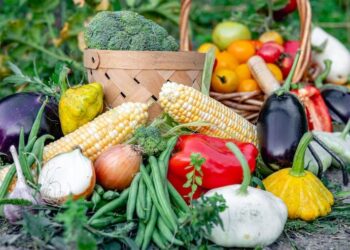
The Ghana Commodity Exchange (GCX) is pushing for a major policy change that could transform the way foreign buyers purchase agricultural commodities in Ghana.
The exchange is calling on the government to introduce a mandatory trading framework that would require all foreign buyers to purchase commodities through the GCX instead of buying directly from farmers at the farm gate.
The proposal is designed to create a more transparent and regulated agricultural market while protecting local farmers, processors and traders from what the exchange describes as unfair competition. If implemented, the policy could significantly reshape Ghana’s agricultural value chain by improving price stability, increasing tax revenue and providing valuable data to support national planning.
Foreign buyers blamed for market distortions
Speaking on the issue, Joseph Nai Anum, Managing Marketing and Business Development at the Ghana Commodity Exchange, said foreign buyers who travel directly into farming communities have become one of the biggest challenges facing Ghana’s agricultural sector.
According to him, these buyers compete aggressively with local traders and processors, making it difficult for domestic businesses to secure sufficient commodities for processing and value addition.
“One of the major challenges affecting our agricultural agenda has to do with foreigners who go into our farm spaces or the farm gates to buy commodities. They compete seriously with our local buyers and processors. We believe that if these foreign buyers are regulated and allowed to buy commodities mandatorily through the Ghana Commodity Exchange, it would help stabilise the agricultural space and also stabilise prices.”
Joseph Nai Anum
Mr Anum explained that routing foreign purchases through the exchange would create a level playing field while ensuring transactions are conducted under a transparent and accountable system.

Export commodities targeted under new policy
The GCX is also looking beyond staple grains as it expands its ambitions for Ghana’s export sector.
Mr Anum revealed that the exchange’s next major objective is to facilitate the trading of export oriented commodities such as cashews, shea nuts and soybeans through the exchange.
He stressed that government support would be essential to make the policy effective and ensure compliance among international buyers.
Such a move, he noted, would improve confidence in Ghana’s commodity markets while making it easier for authorities to monitor trade activities.
Government could benefit from higher tax revenue
Beyond protecting farmers and local businesses, the proposed policy could generate significant financial benefits for the country.
According to Mr Anum, mandatory trading through the Ghana Commodity Exchange would improve tax collection because transactions involving foreign buyers would pass through a regulated platform.
“One of the benefits is that the government will be able to collect taxes after trades from these foreigners. It will also help regulate prices and give sellers and farmers the best prices they can get.”
Joseph Nai Anum
The exchange believes this system would not only improve revenue mobilisation but also strengthen government oversight of commodity exports.
Better data for smarter agricultural planning
One of the strongest arguments presented by the GCX is the importance of reliable data.
Mr Anum explained that the exchange would be able to monitor the quantity of agricultural commodities leaving Ghana through foreign purchases.
“When these foreigners are trading, we get to know how much is being taken out of the country, and the government can use that information in planning within the agricultural space.”
Joseph Nai Anum
Accurate information on commodity flows could help policymakers make informed decisions on production targets, food security, export strategies and investment priorities.
Industry experts have long argued that reliable agricultural data is essential for effective planning, making the GCX proposal particularly significant.
Farmers urged to embrace GCX services
While advocating for policy reforms, the Ghana Commodity Exchange is also encouraging farmers and agribusinesses to take advantage of its existing services.
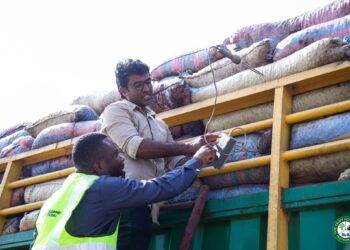
Head of Operations, Wendy Malm, said farmers who store their commodities in GCX warehouses enjoy secure storage backed by insurance coverage.
“We would want to encourage everyone to patronise and use the Ghana Commodity Exchange. For farmers, they can bring their commodities for storage in the GCX warehouses. This will ensure that the commodities are well stored. We also have insurance on all our warehouses, so we will ensure that your commodities are safe and sound.”
Wendy Malm
She added that farmers can also use warehouse receipts to access financing from financial institutions while waiting for favourable market prices.
Buyers promised quality and reliable supplies
Mrs Malm also appealed to food processors, manufacturers and animal feed producers to purchase commodities through the exchange.
She explained that the GCX platform guarantees quality assurance and provides buyers with access to the right quantities of commodities whenever they are needed.
“Whether you need commodities for food production or animal feed production, you will be able to have access to quality grains and the right quantity, including large volumes, at every point in time.”
Wendy Malm
This assurance is expected to strengthen confidence among businesses that rely heavily on agricultural raw materials.
GCX promotes safer food for consumers
The exchange also believes consumers stand to benefit from greater use of its platform.
Mr Anum encouraged Ghanaians who consume local staples such as kenkey and banku to choose commodities traded through the exchange because they undergo strict quality testing.
According to him, commodities traded on the GCX are screened to ensure they meet food safety standards, including protection against harmful contaminants such as aflatoxin.
With increasing attention on food safety and quality assurance, the exchange says its regulated trading system provides an added layer of protection for consumers.
As Ghana continues to modernise its agricultural sector, the GCX believes mandatory trading for foreign buyers could become a game changing reform that protects farmers, strengthens local industries and creates a more transparent and efficient commodity market.